



Peña Flamenca El Sauce

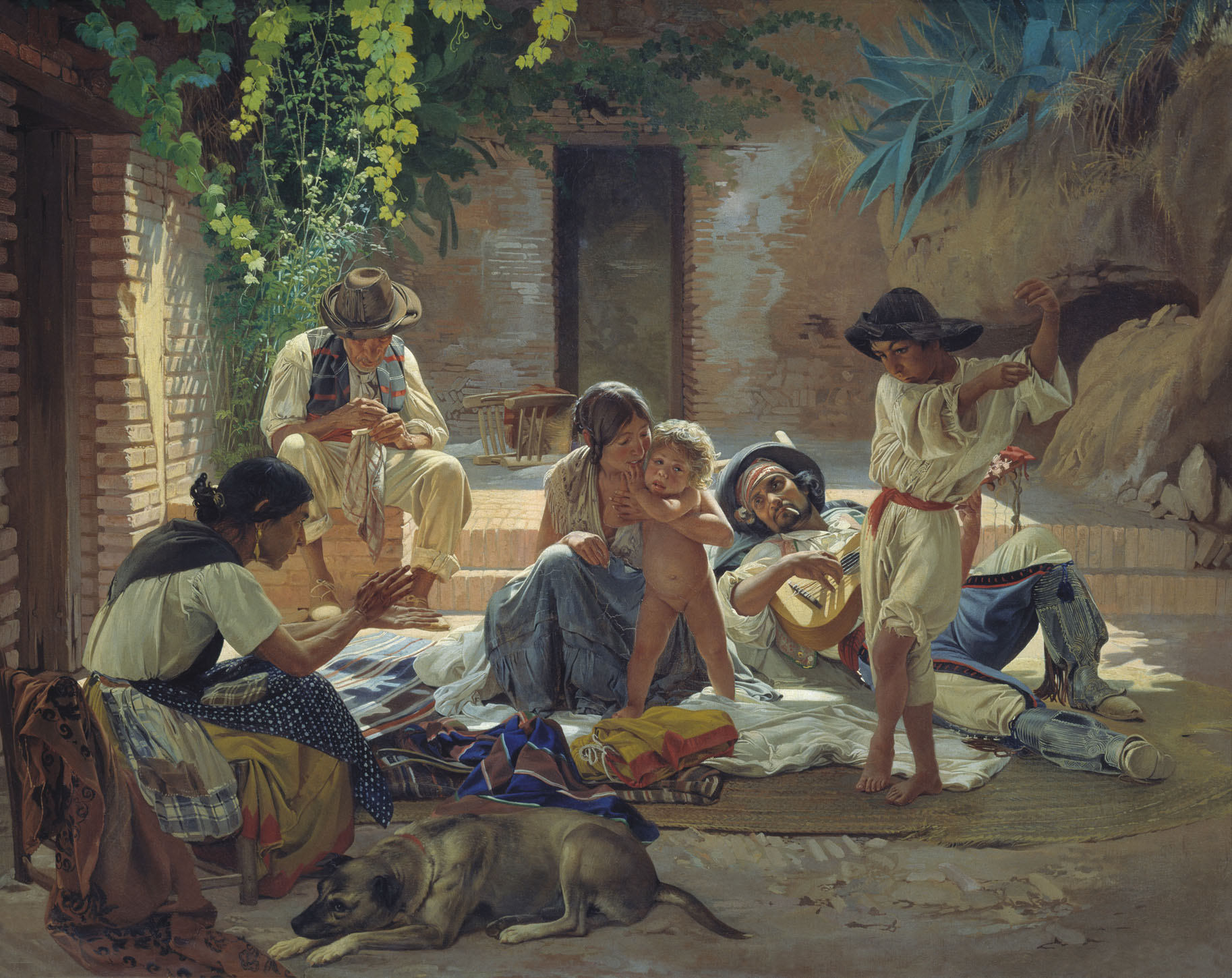
History of Flamenco
In the decade of the 80, a group of flamenco enthusiasts in the town, led by figures such as Manolo Custodia, Rafael Onieva, the brothers Juan and Manuel Gracia Gracia, the parents of Miguel and Cristóbal Gracia Armayones, and the brothers Manuel and Antonio Martín Gracia, among others, They met at a bar counter with the idea of creating a flamenco club. This idea came to life at José María's inn, where Manuel Gracia, Christopher Armayones, Manuel Martín Gracia and other fans got together to sing and play guitar.
The first membership card of the club dates from 1985, with a board headed by Manuel Martín Gracia as president, Juan Morales Losada as vice president, Jesús Dorado as treasurer and María del Mar Hiraldo Castillo as secretary. The headquarters of the club was itinerant, passing through places like Bar El Puente, El Canuto and occasionally the Bar Dorado, where flamenco gatherings were organized.
The financing of the club in its first years came from membership fees and work in a municipal booth during local festivals.. For approximately four years, amateur singing competitions and performances by renowned singers such as Calíxto Sánchez were organized., “The Goatherd”, Work by Utrera and Diego Clavel, as well as prominent guitarists such as Manolo Franco and Pedro Bacán. Besides, the flamenco shows were also brought to the town's winter cinema.
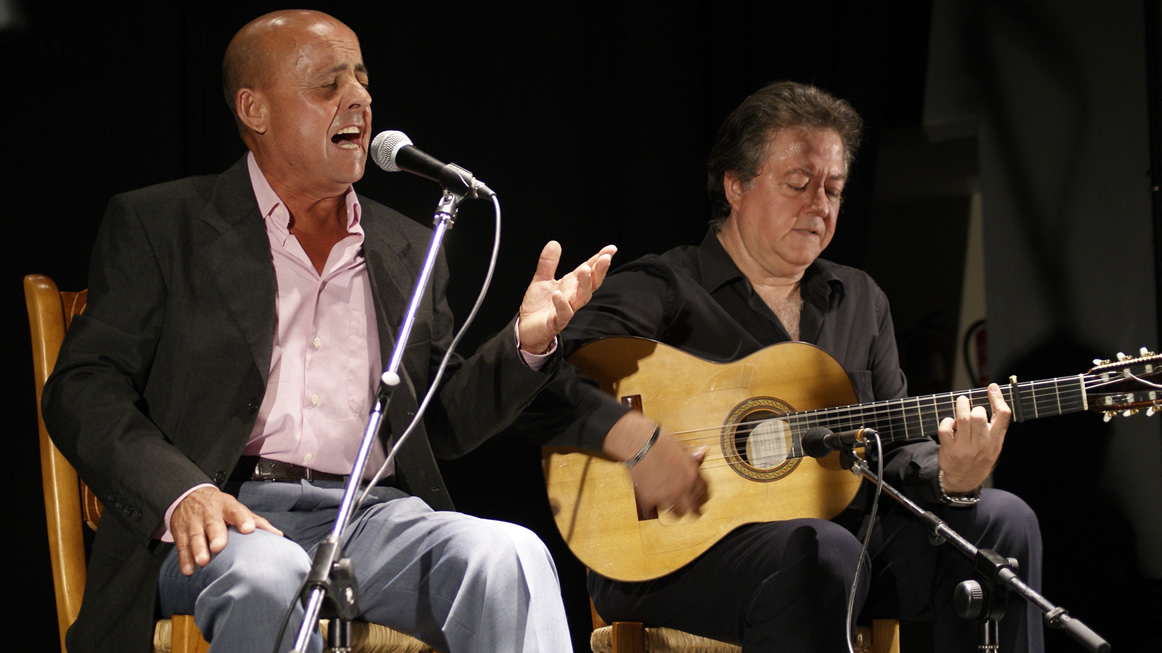
After the events described, La Peña collaborated with the San Marcos Commission in the organization of a flamenco candle on the eve of the patron saint. During the period of inactivity of the Peña between 1989 and 1996, Gabriel Montoro organized a successful candle in Mezquitilla, where the performances of Antonio Alvarez and Antonio Gracia stood out, accompanied by Esteban Cosano on guitar. This same group performed on various stages on different occasions.
After this parenthesis, flamenco fans, both on normal days and on special occasions, They began to consider the idea of reviving the Peña and bringing back big names in cante.. The final chapter of this brief story and the beginning of a new period occurred when Ana Naranjo, councilor for culture of the City Council, He proposed to the new group of fans to resume the club with the financial support of the City Council. Ana Naranjo also suggested the name of the festival, which today has 30 years of continuous history.
The first board of directors of the new stage was composed of Antonio Alvarez, Ramon Gilabert, Cristóbal Armayones and Aurelio Caballero as treasurer. It is said that the presidency of the board was decided through a game of straws at the El Puente bar, Cristóbal and Antonio being the chosen ones. In 2024, Antonio continues to be the president of the Peña.
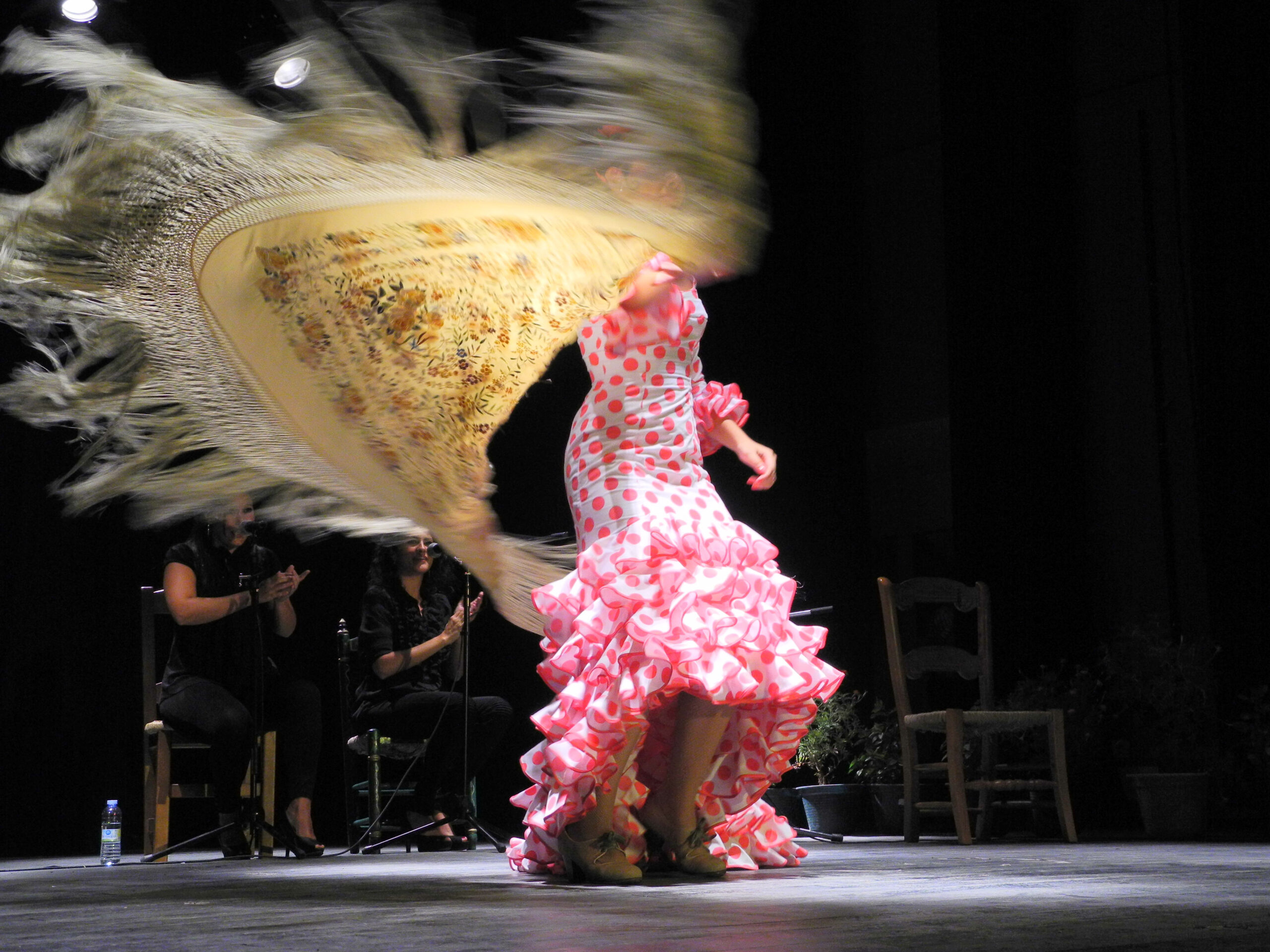
In 1996 several partners took the initiative to relaunch flamenco in the town, after a crisis of several years and creating a festival as deserved by a town that had prestigious singers and singers to its credit.: “Jingle Bell” ” Carlos the patched” “Jingle Bell” etc.; and even a famous luthier: Cayetano González Torres. A meeting with the City Council was agreed, in which Antonio Alvarez proposed the creation of a festival, being councilor of culture Doña Ana Naranjo Martínez. The city council organized it the first two years with the collaboration of the flamenco club, until in the year of 1998, the organization of the festival is handed over to the peña flamenca, which from that moment began to be called “Antonio Alvarez” to the present. Apart from the festival, the peña is decisive in the rest of the flamenco events such as the San Marcos candle., organized by the city council, along with their own.
 Sevilla
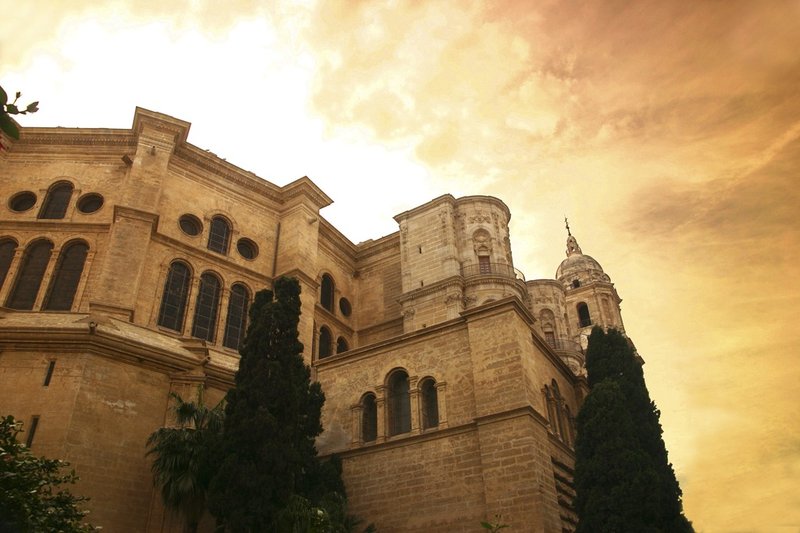 Málaga
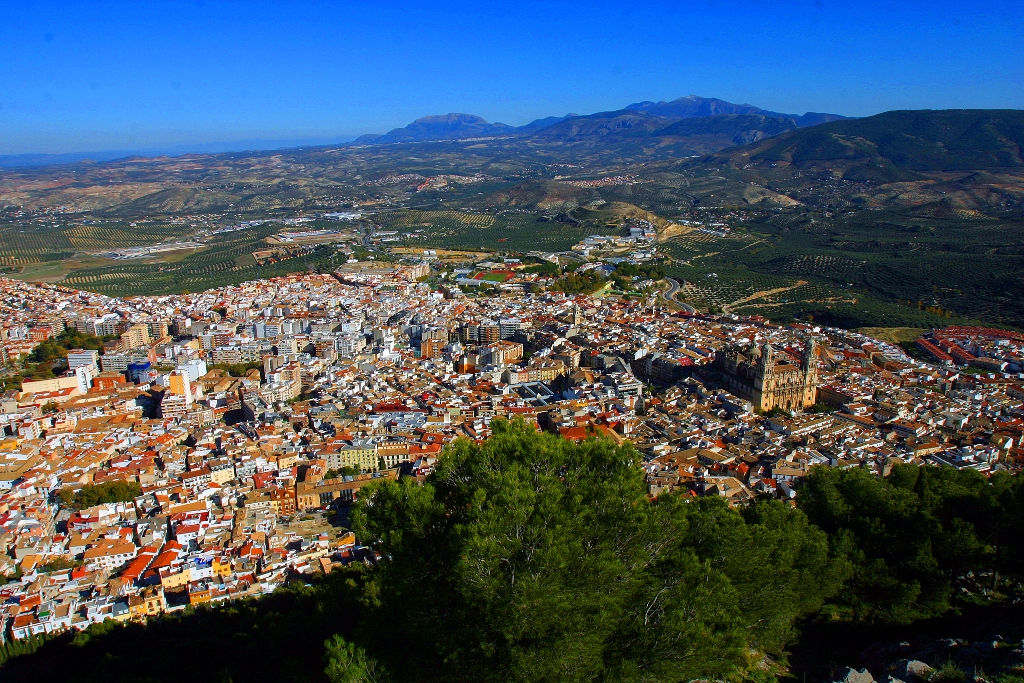 Jaen
Jaen Huelva
 Granada
 Córdoba
 Cadiz
Cadiz Almeria
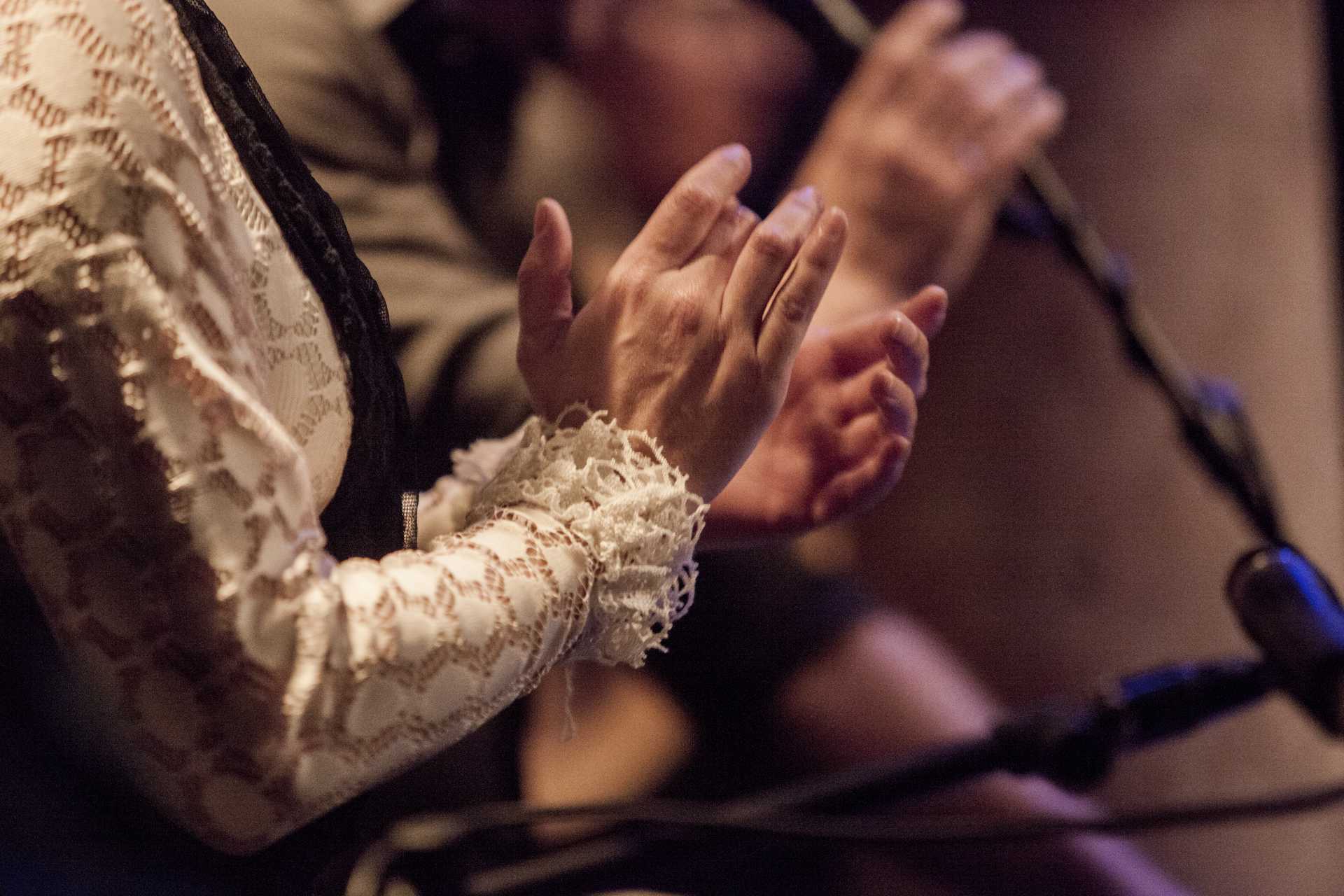 A tourist and cultural vision of flamenco
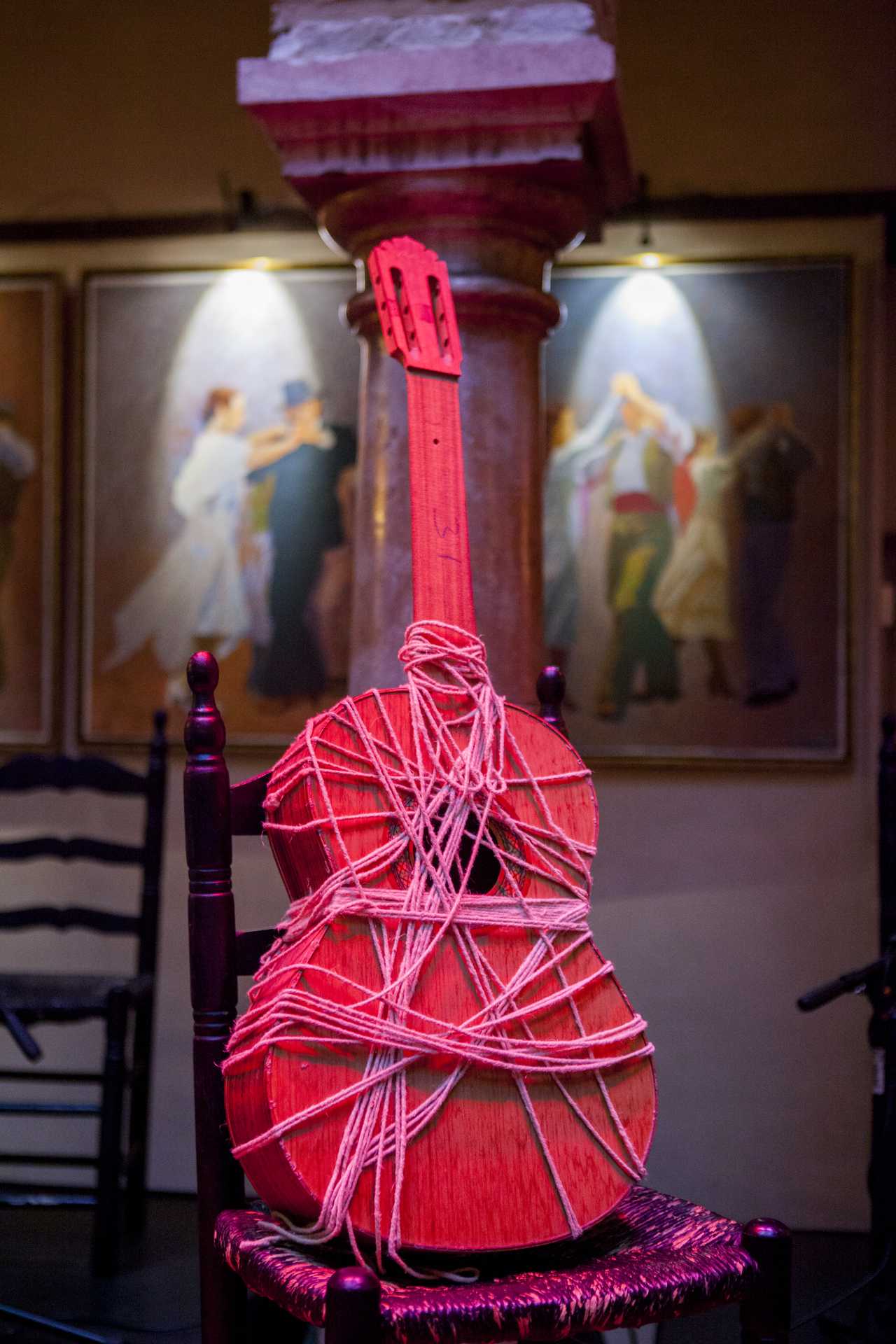 The Guitar, last to join.
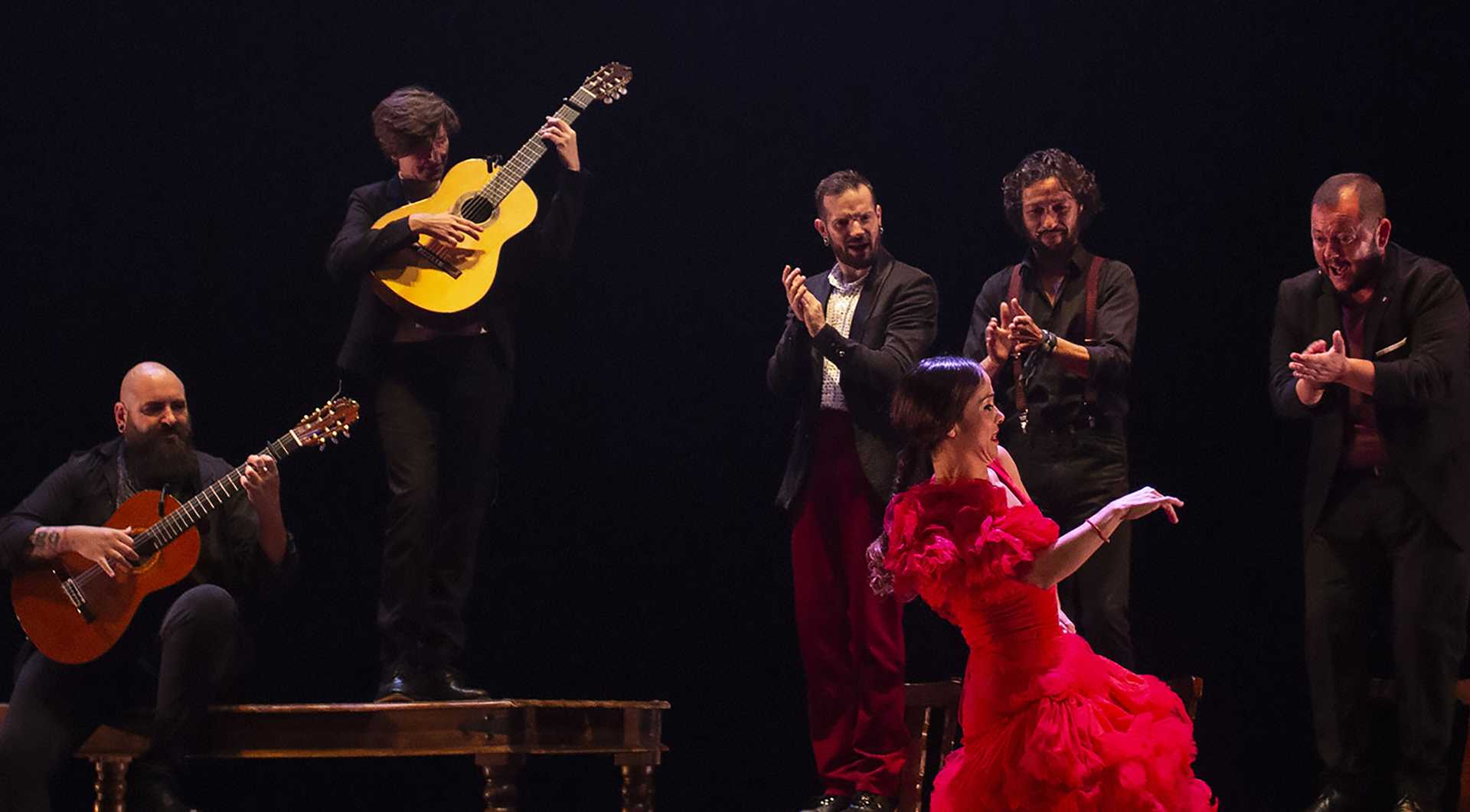 The history of flamenco with respect to its geographical distribution
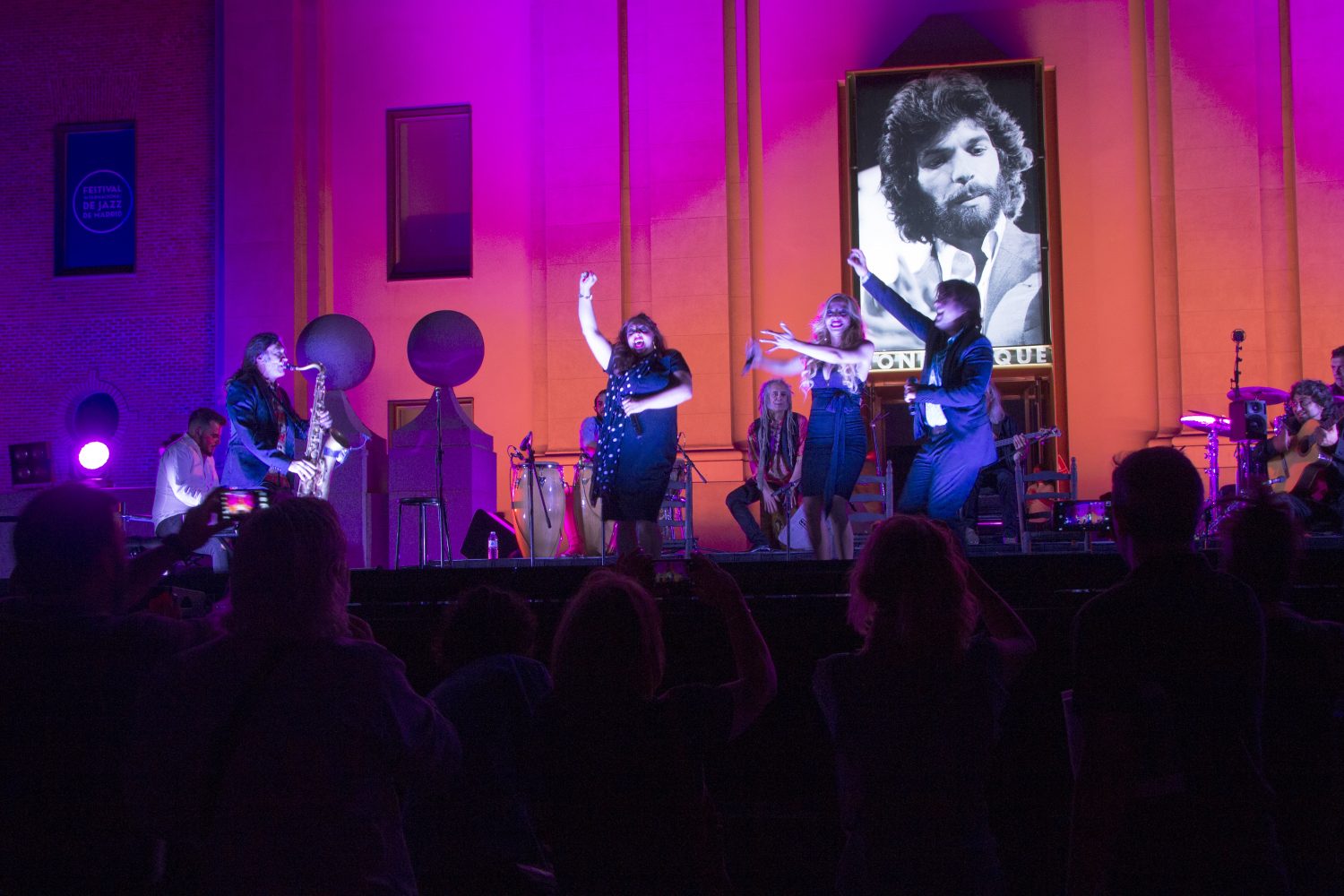 The present and future of the genre. The Fourth Golden Key of Singing.
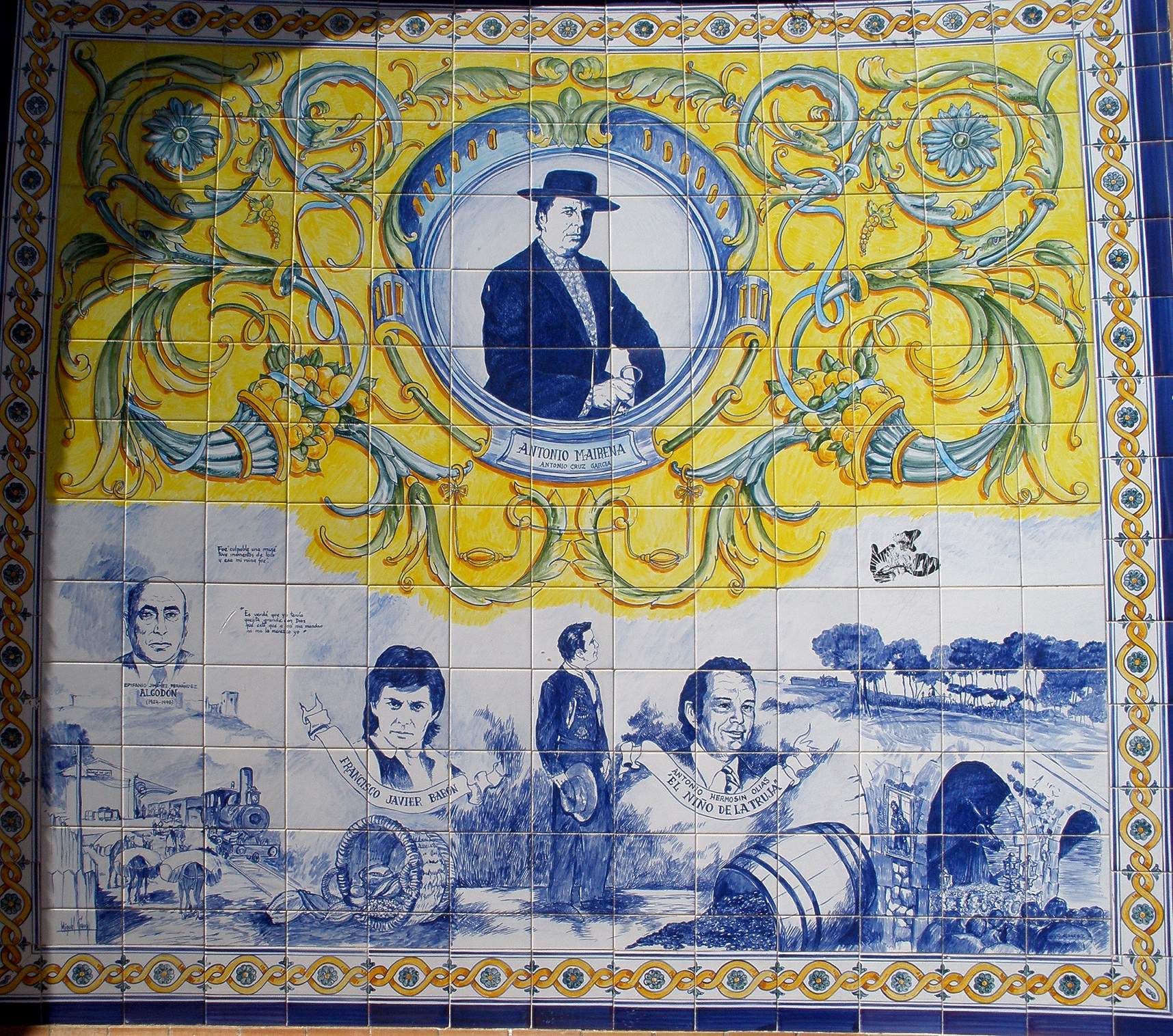 The festivals
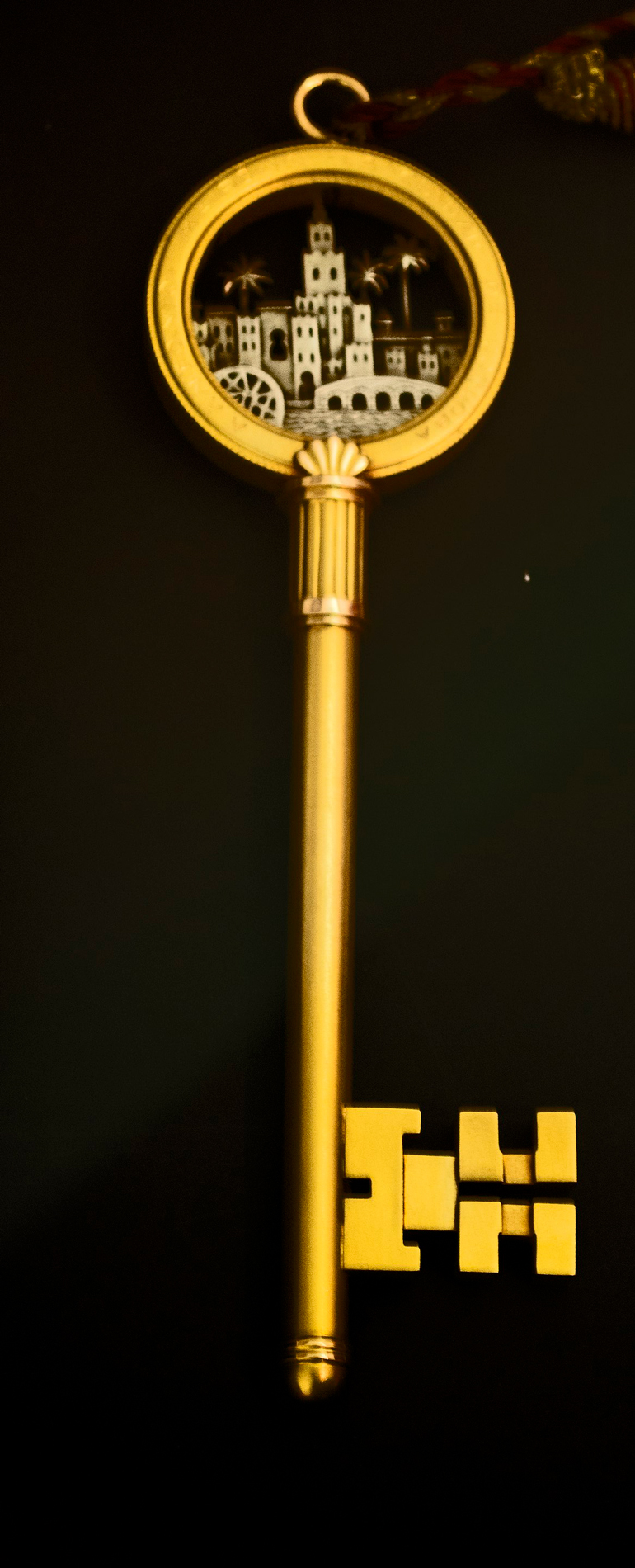 Revaluation of flamenco. Third Golden Key of Singing
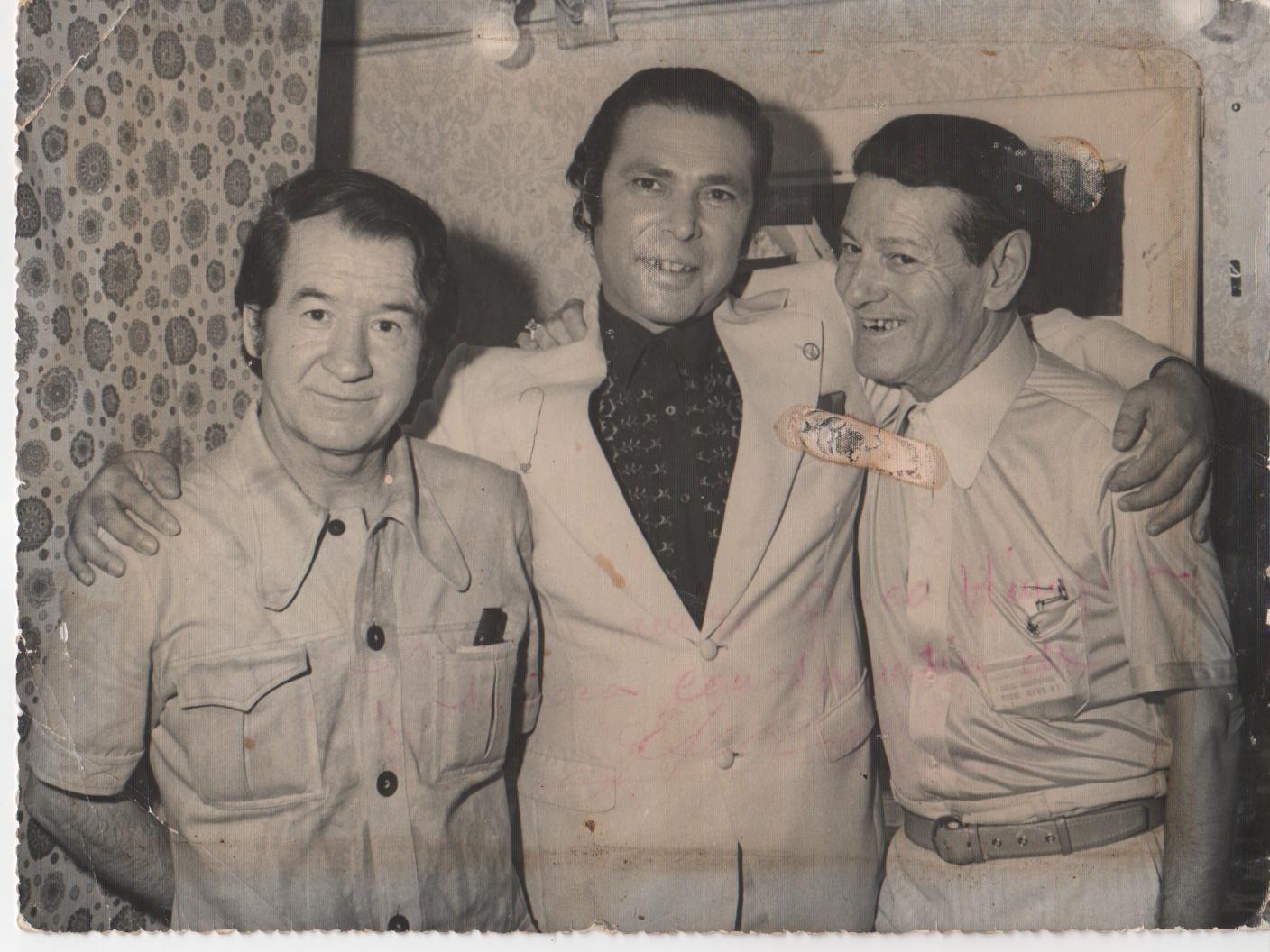 The Flamenco Opera
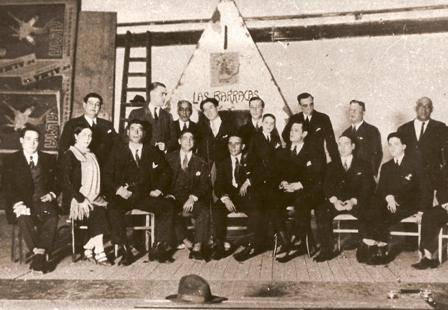 Flamenco in Madrid. The Pavón Cup. Second Golden Key of Singing
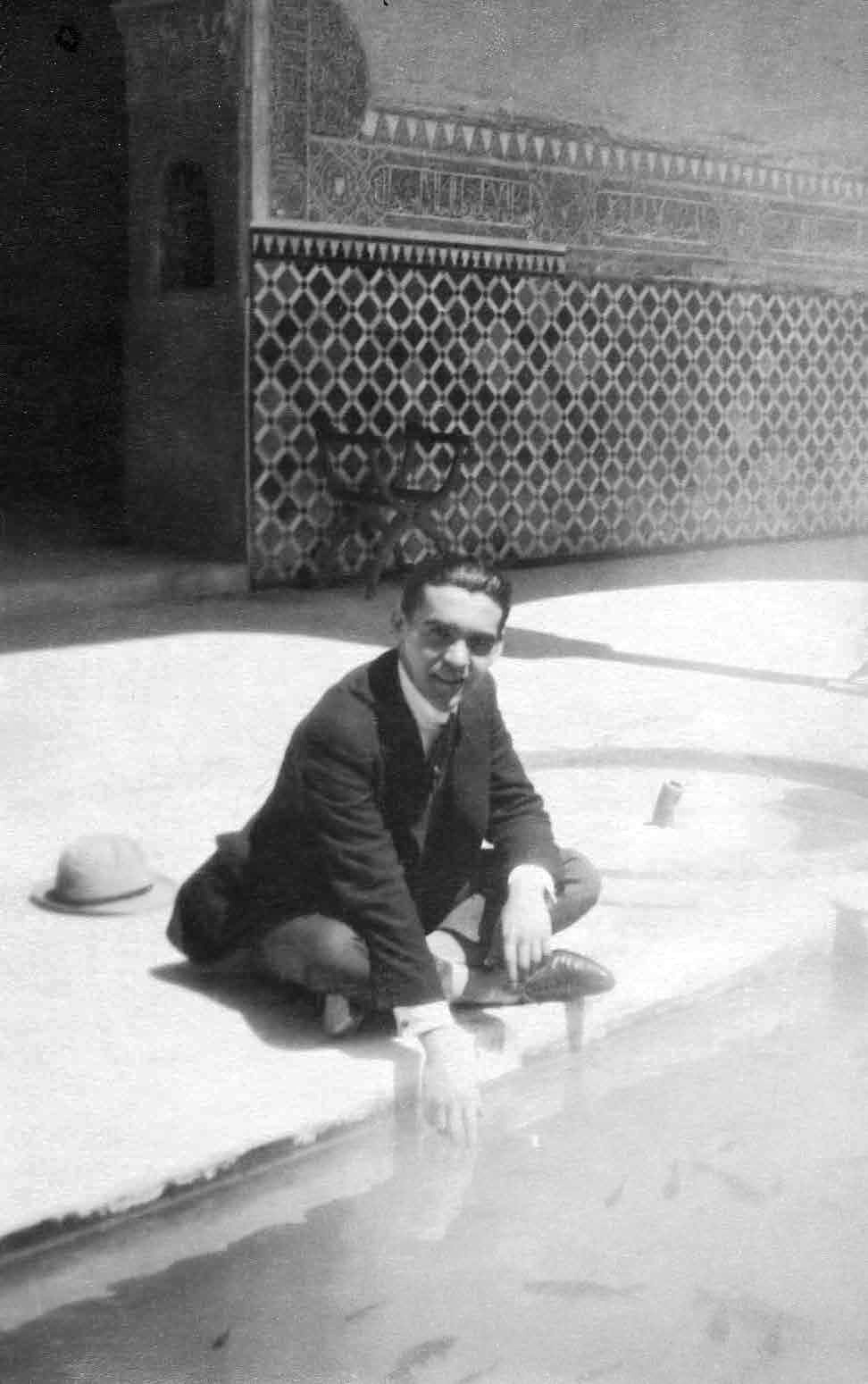 The contest that took place in 1922 in Granada
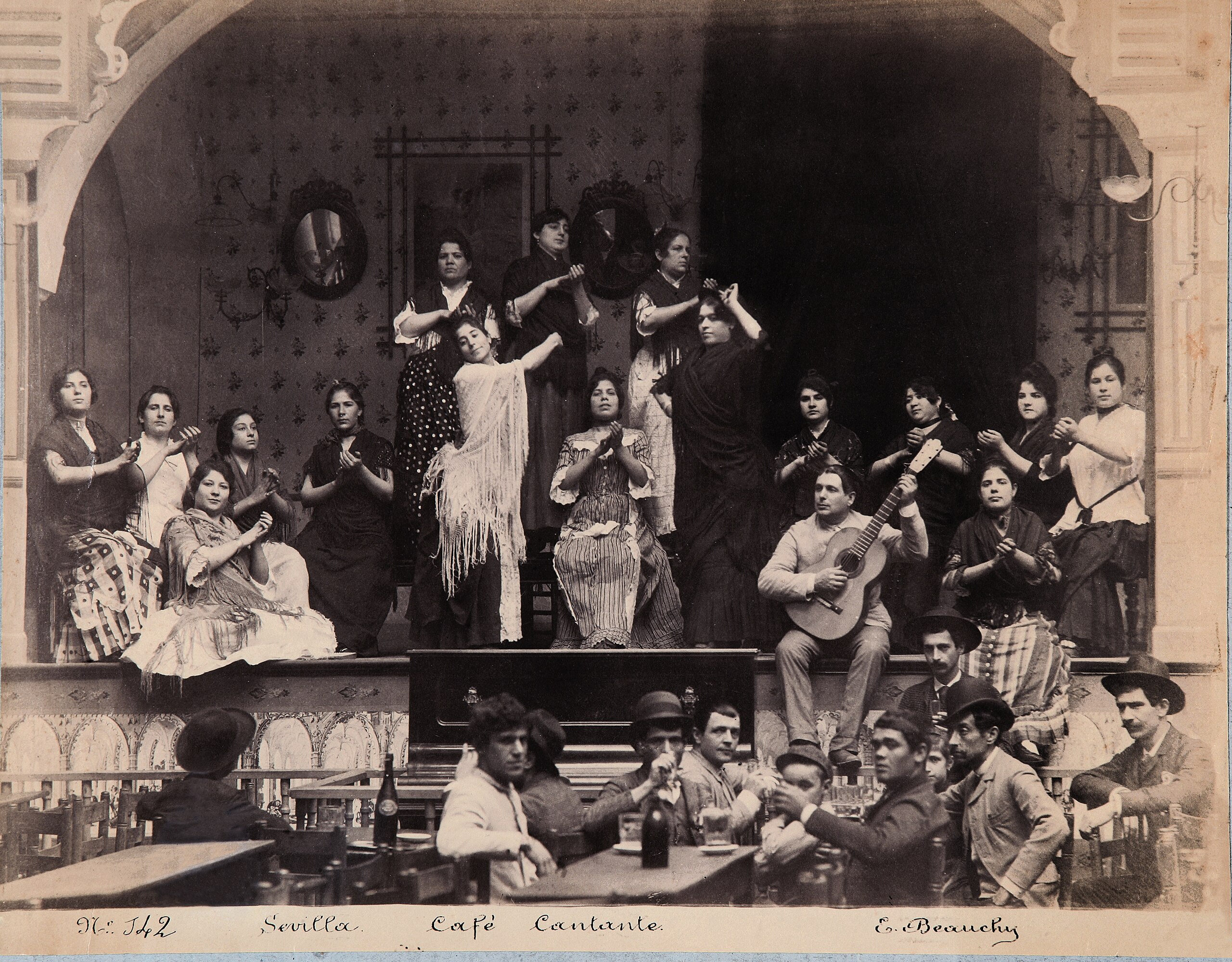 The great creators. The Golden Age. The Singing Cafes
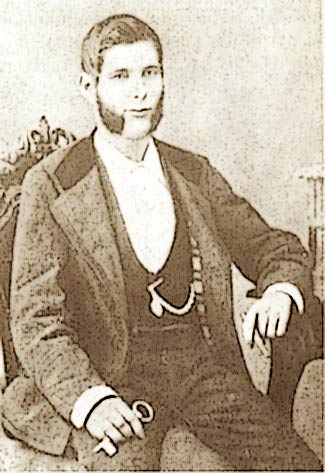 Evolution. Hermetic Stage. First singers
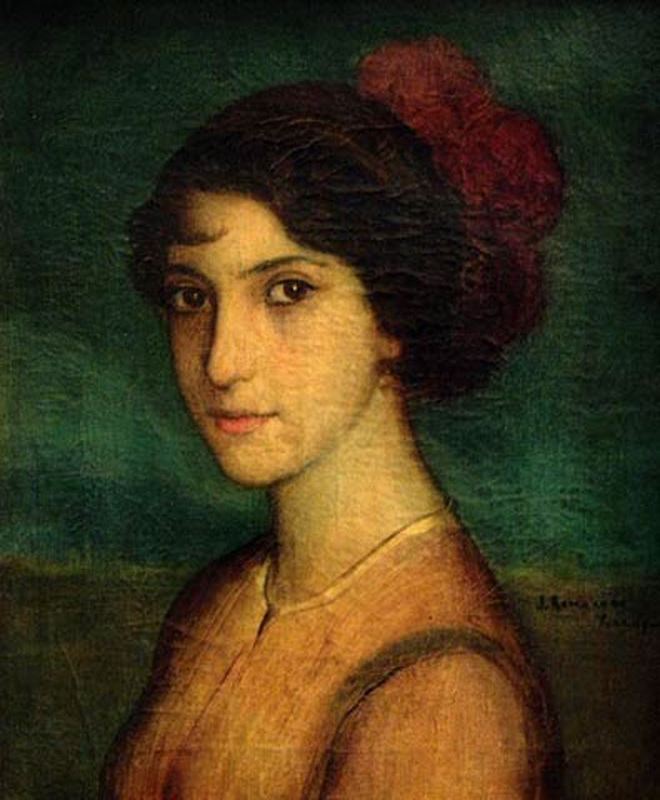 Origin of the word “flamenco”
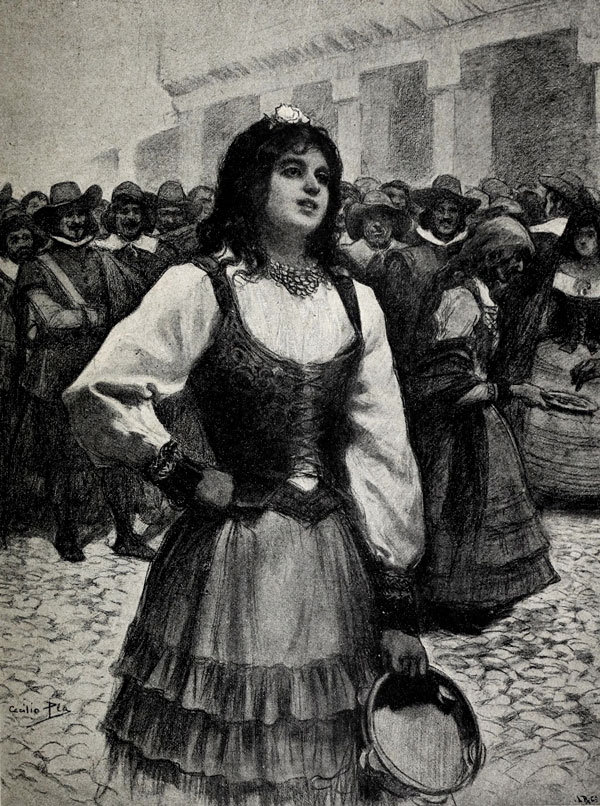 First written references
 Musical background