



Flemish Cultural Rock Juan Talega
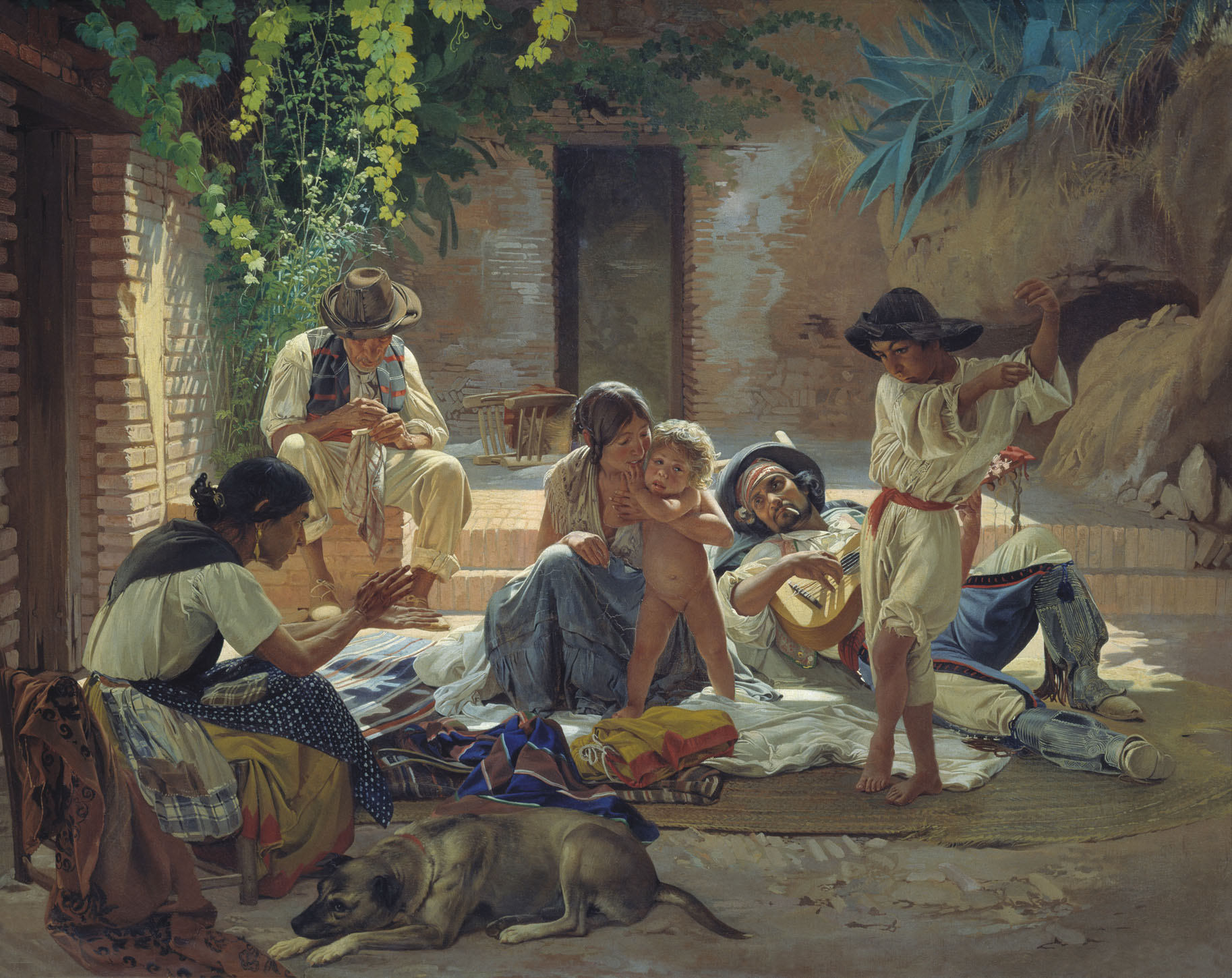
History of Flamenco
The peña arises from the idea, from a good Nazarene flamenco fan, What is José Manuel Rodríguez Zambruno like?. From then on, He meets with other fans explaining his idea and after several meetings, An agreement is reached to found a Peña and also to give it the name it currently has.: Flemish Cultural Rock Juan Talega. The day is officially inaugurated 10 of December 1977 in the Curro el Lagunero mill that gave it up for said event. It was an unforgettable night. Artists from the Flamenco World attended such as D. Antonio Mairena, his brothers Curro and Manolo, Juanita Reina, The Snail, The Goatherd, Manolo Fregenal, Fernanda and Bernarda, and Antonio Suárez among others. Representatives of the Radio and the Press were also present., it was a success, both artistically and organizationally.
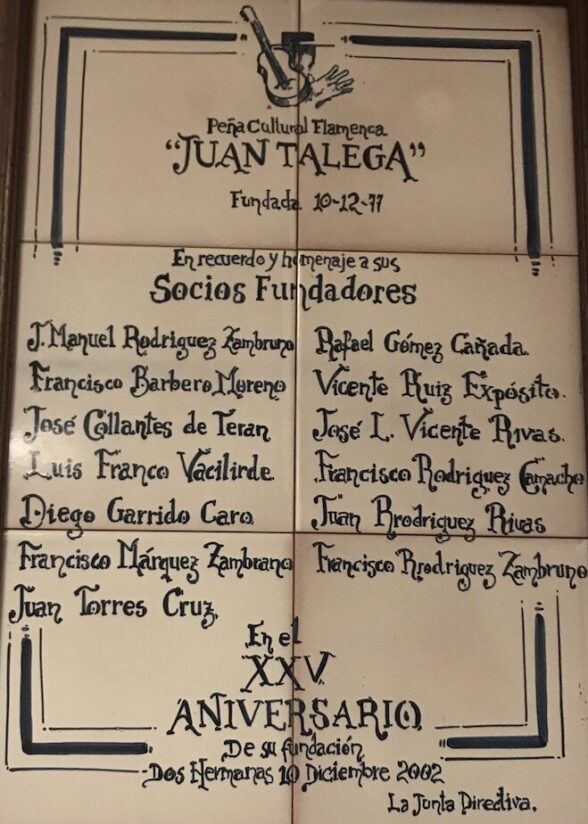
The Founding Members who officially signed the request for the Statutes of the Peña are the following: José Manuel Rodríguez Zambruno, José Collantes de Terán, Diego Garrido Caro, Francisco Barbero Moreno, Luís Franco Vasilirde, Francisco Marquez Zambrano, Rafael Gomez Canada, José Luís Vicente Rivas, Vicente Ruiz Expósito, Francisco Rodríguez Camacho, Francisco Rodríguez Zambruno and Juan Rodríguez Rivas. This does not mean that they were really the founders but rather the ones chosen by Mr.. President for its first board and this is stated in the statutes. There were gentlemen who are not in the statutes, but they were from the beginning in the first meetings that were held to carry out the approach of our Peña, among others:
Juan Duran Jimenez, Manuel Bonilla Santana, Juan Morato Oliva, Moran Rodríguez, J. Torres Torres, Francisco Ibáñez Bernal, Juan Torres Cruz, Antonio Bernal Romero, Miguel Castillo Martin, Idelfonso Lucena Cruz among others.
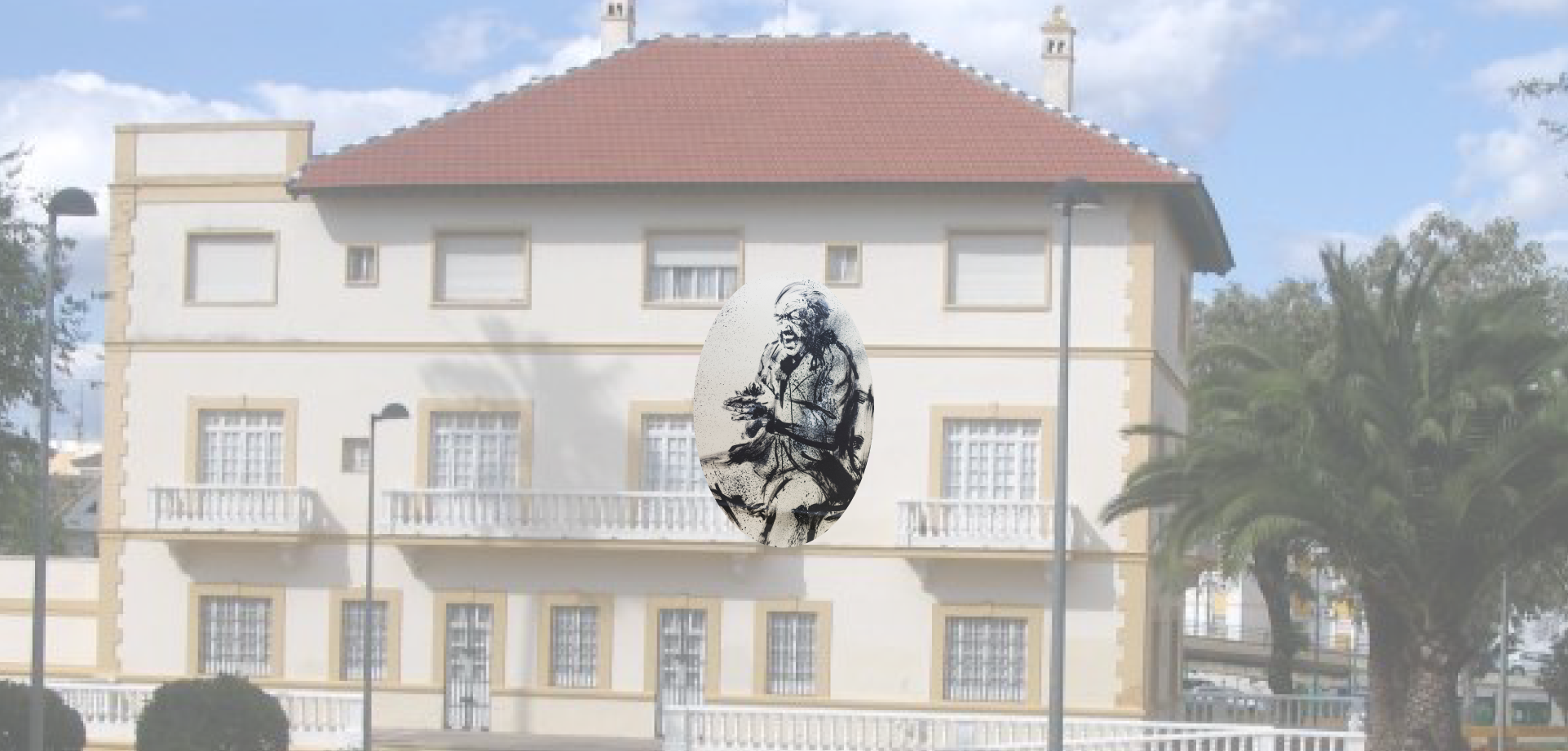
The original headquarters of our club was located on Carlos I de España Street since its inauguration in 1977 until the year 2000. It is currently located in what is now called “Casa del Arte” which was originally the home of the Recreo de Santa Ana or Abaurre.. It is a building from the s. XX, three-story, English style. Its author is the architect José María Brigas. Its gardens, where shade trees abound, They were restored by the students of the gardening workshop school.
At the beginning of the s. XX, the Sevillian Don Julio Laffitte y Castro was the owner of this property., I Count of Lugar Nuevo. Years later it passed into the hands of his son, and in the middle of that century it was acquired by the Abaurre family, where did it get its name.
Already in the years 70, There was an attempt by a local developer to demolish the Recreo de Abaurre building, and build another ten-story site on its site that would receive the name “Torrevalme.”, name by which it is still known despite having only existed in the project that was never carried out.

In the following decade it became municipal property, being the headquarters of the “Pedro Laín Entralgo” Municipal Library since May 1987 until 1999. And in May 2000, the deputy mayor and delegate of Culture and Festivals, Don José Román Castro inaugurated the “House of Art”, which would from then on be the headquarters of the Peña Cultural Flamenca Juan Talega, from the Ciudad de Dos Hermanas Dance Group, and the Ventana Plastica Artistic Collective.
The purposes of our Peña, will always be and above all the social interests of its members, the defense and prestige of our Flamenco Art, as well as its conservation, promotion, dissemination and enrichment of its most genuine artistic and cultural values.
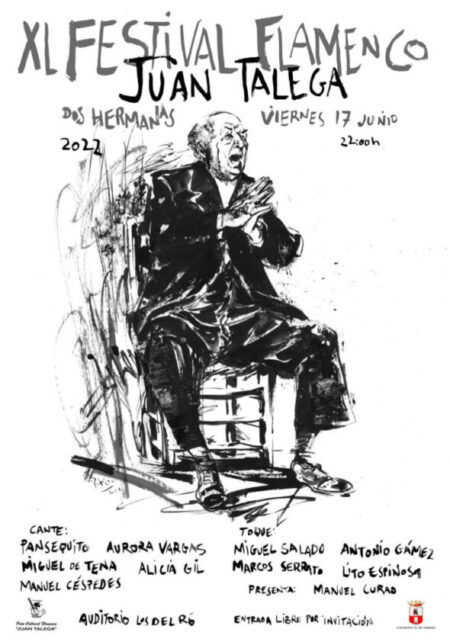
With this purpose and during the months of September to June our club carries out various activities such as gatherings, recitals, cultural week, club exchanges and the flamenco festival. In addition, the dissemination of flamenco is promoted by visiting and receiving students from the educational centers of our municipality., as well as collaborating in the different acts of any entity that requires them..
 Sevilla
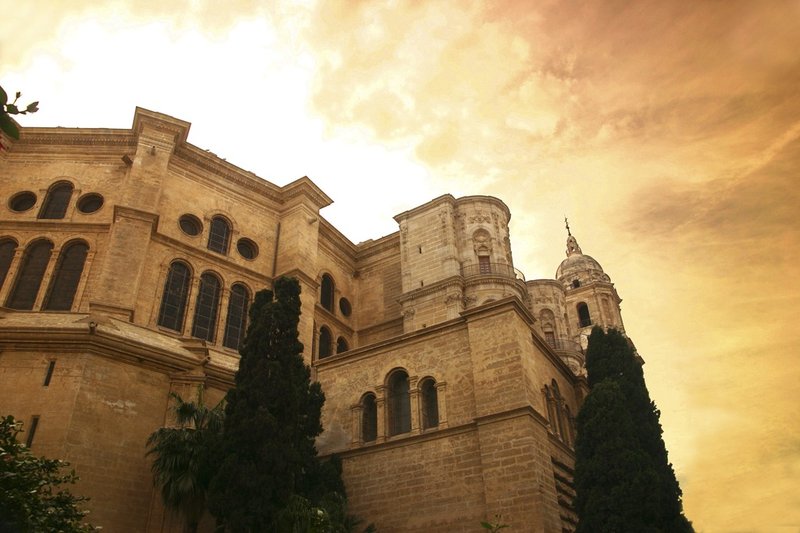 Málaga
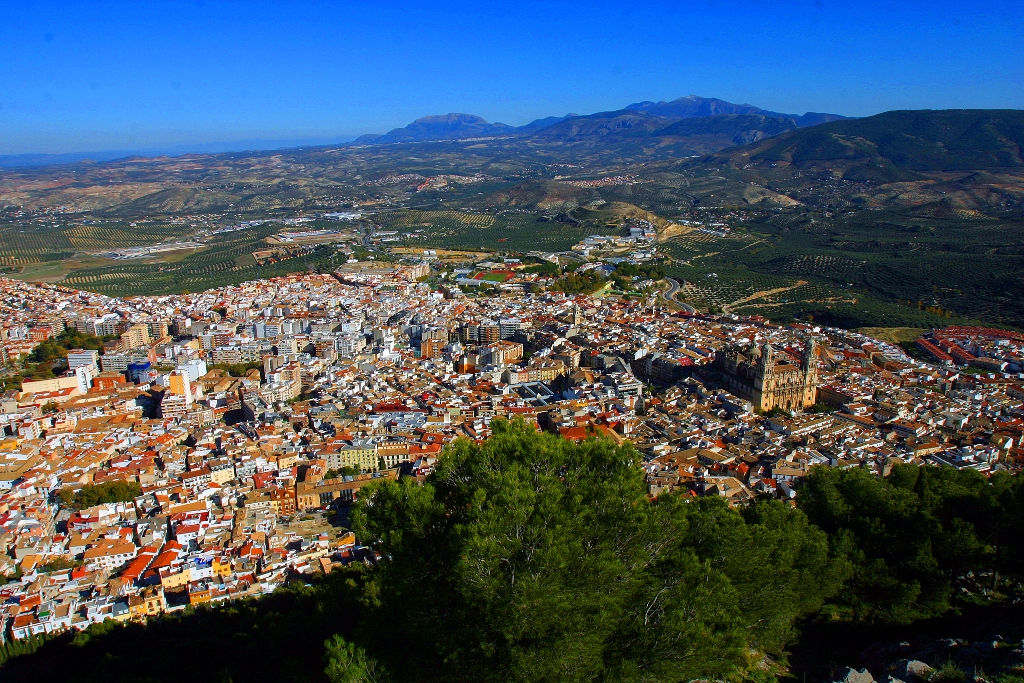 Jaen
Jaen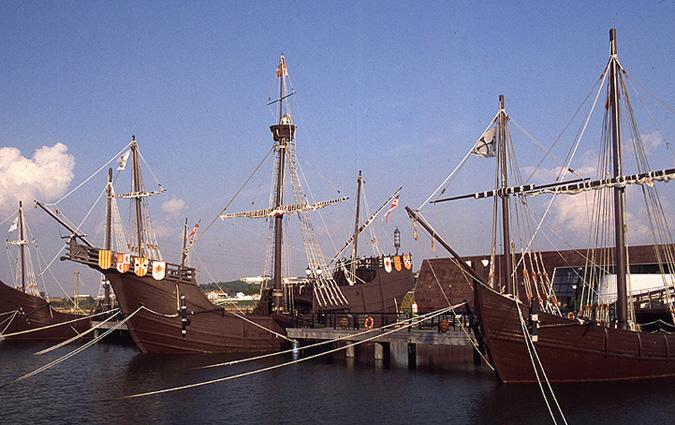 Huelva
 Granada
 Córdoba
 Cadiz
Cadiz Almeria
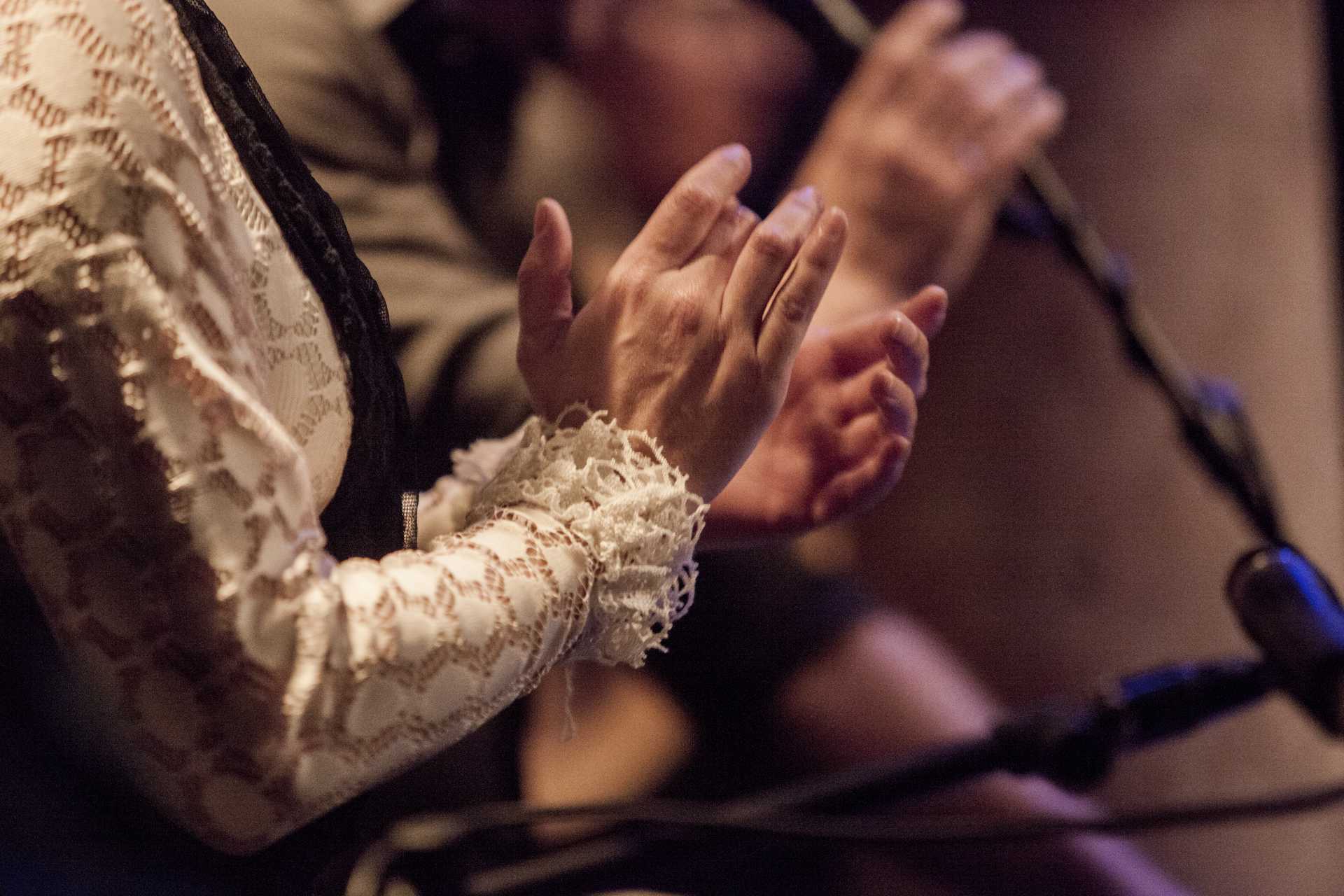 A tourist and cultural vision of flamenco
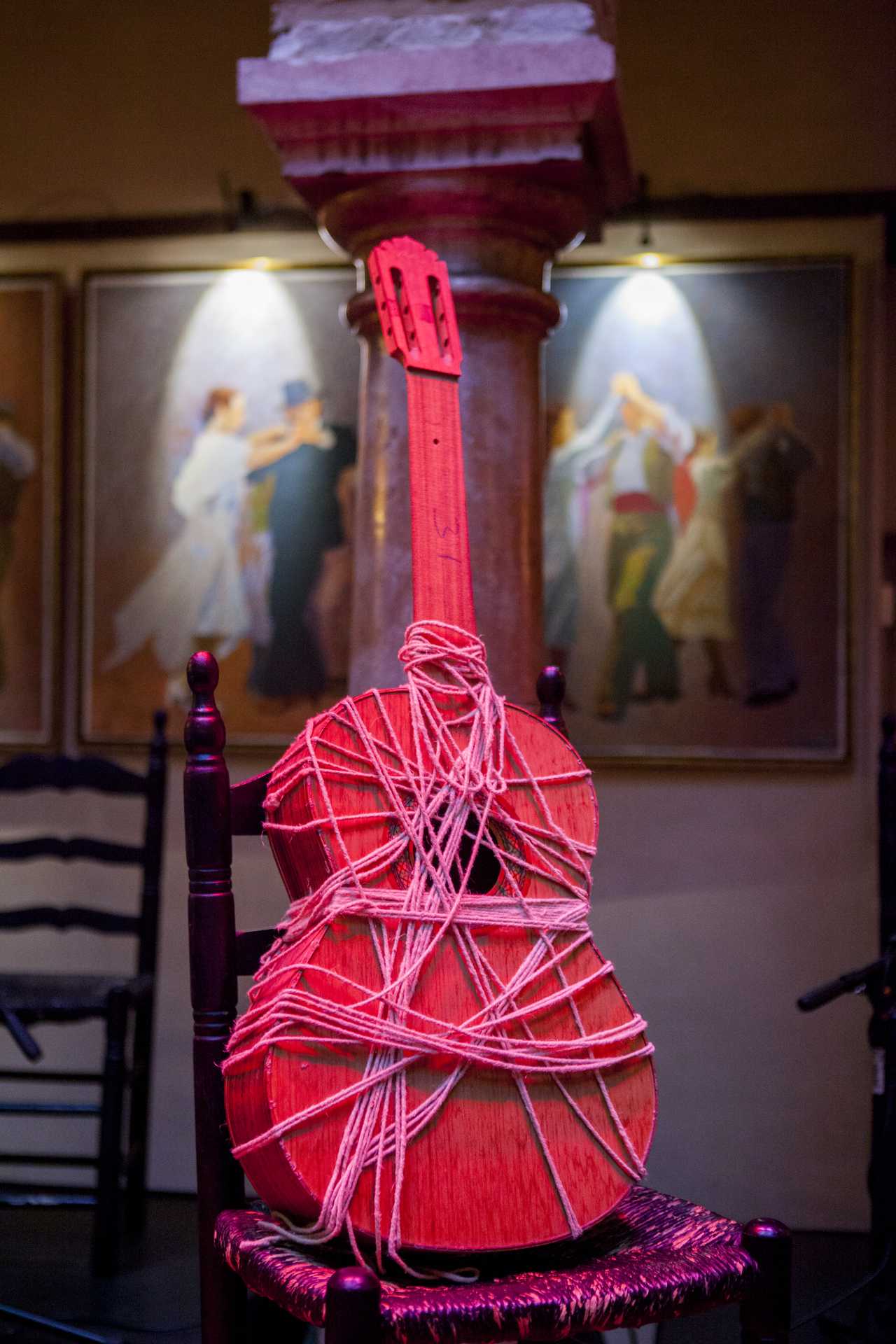 The Guitar, last to join.
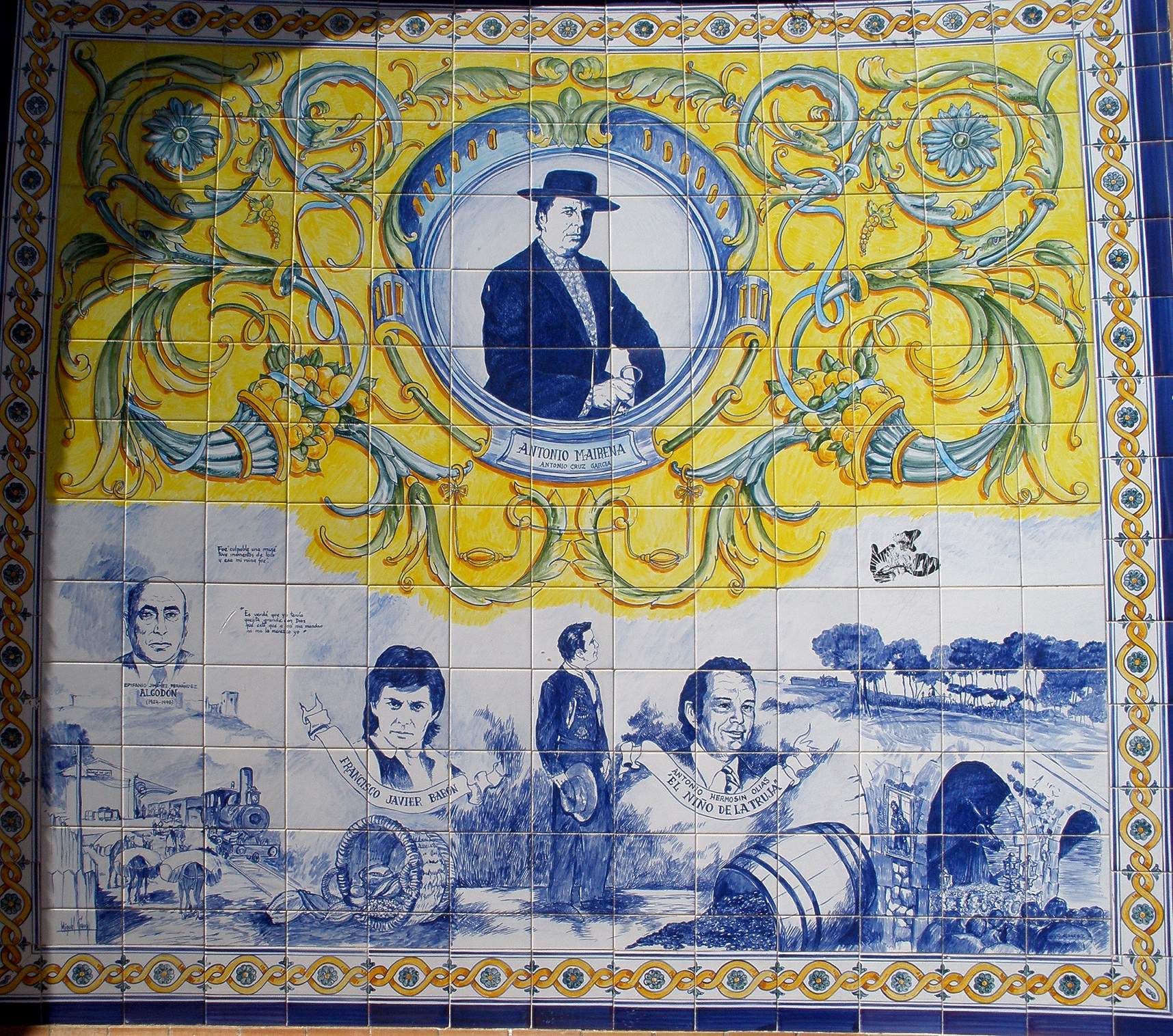
 The history of flamenco with respect to its geographical distribution
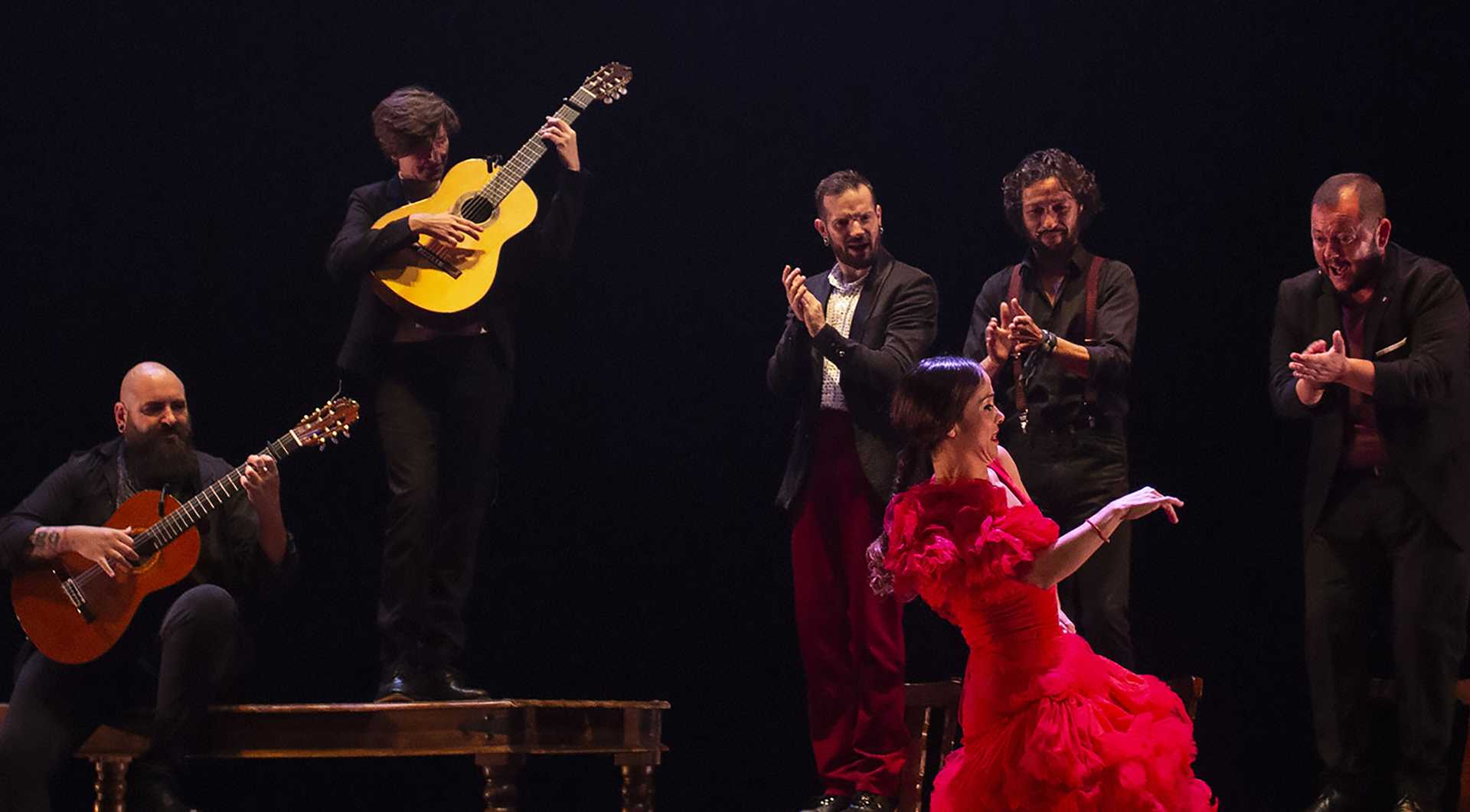
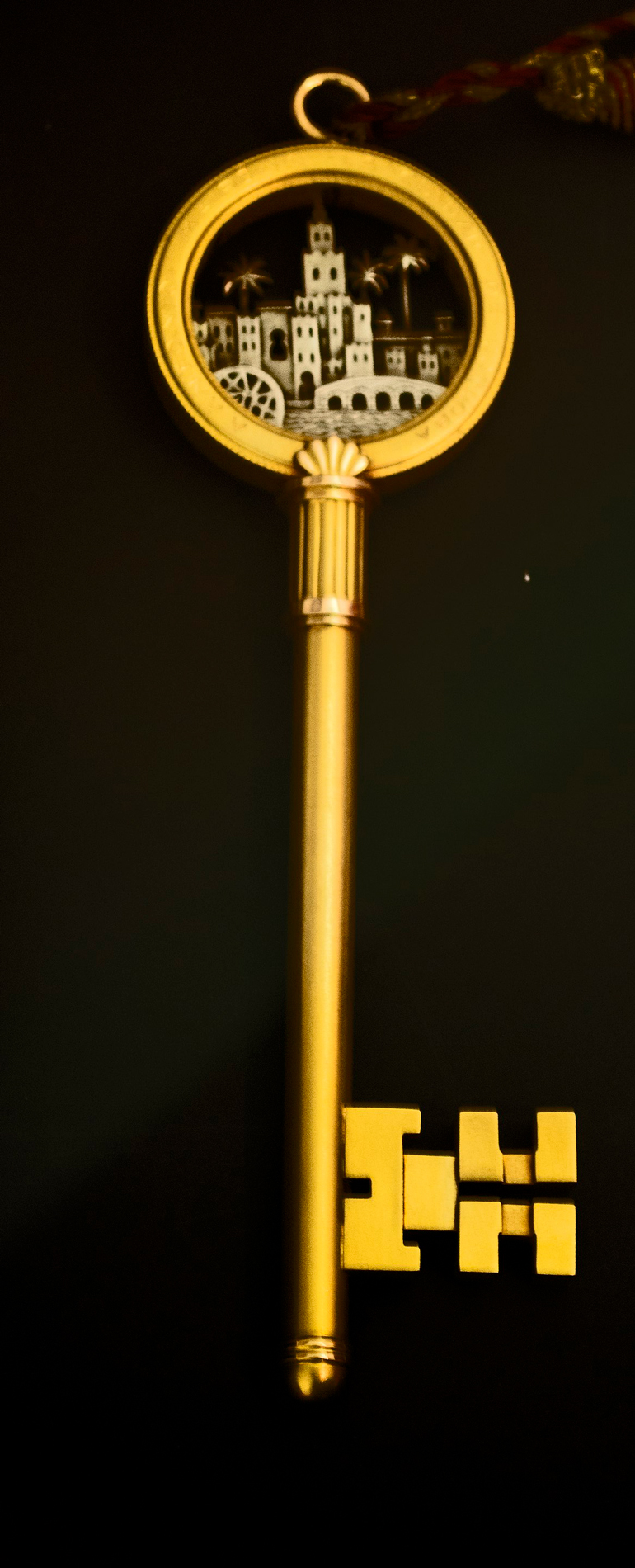
 The present and future of the genre. The Fourth Golden Key of Singing.
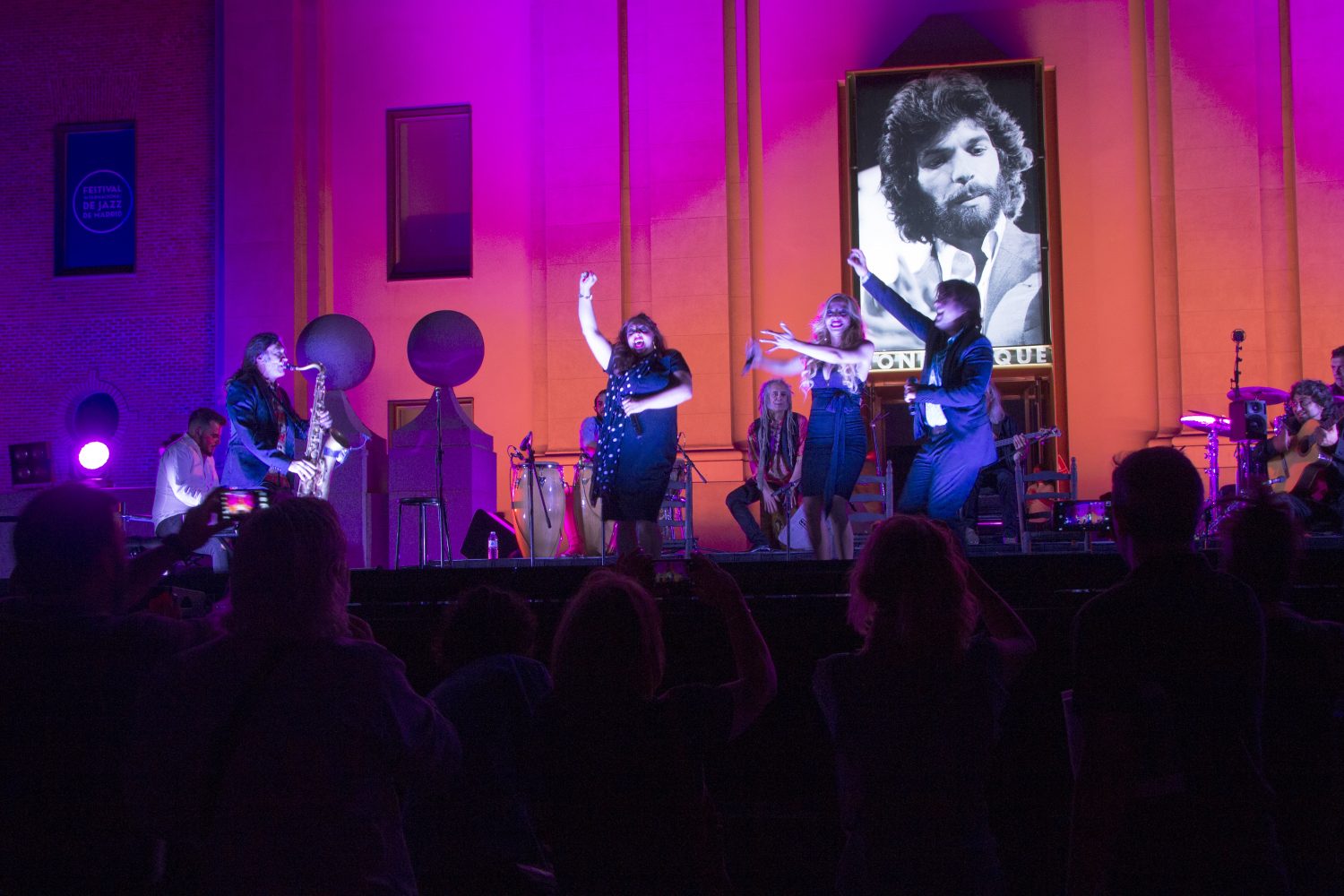
 The festivals
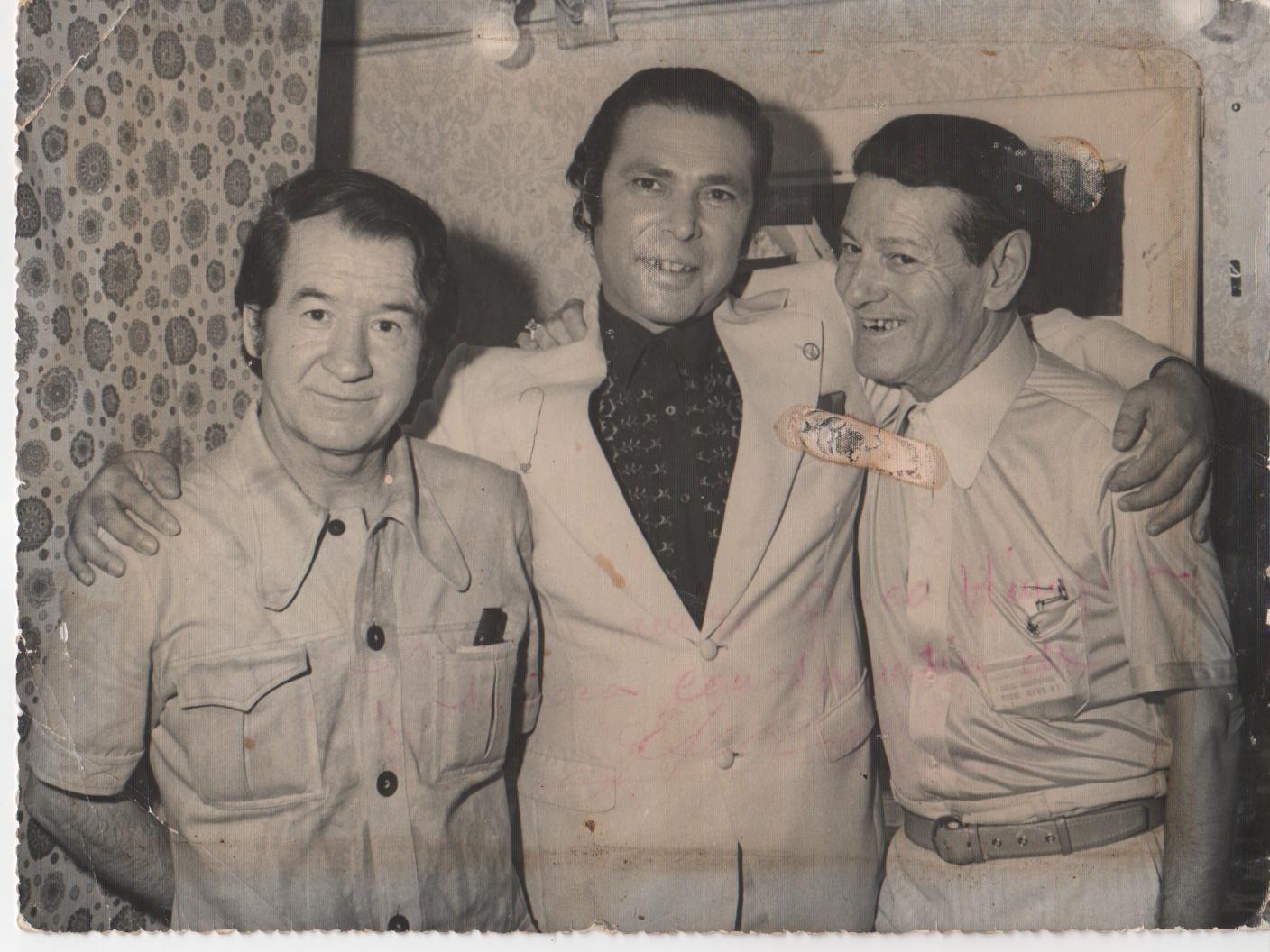
 Revaluation of flamenco. Third Golden Key of Singing
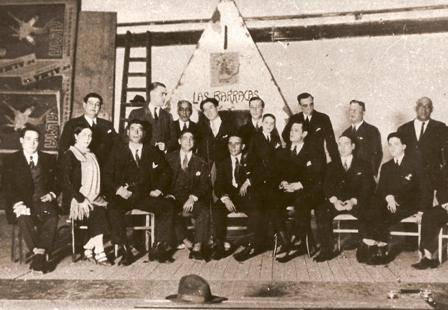
 The Flamenco Opera
 Flamenco in Madrid. The Pavón Cup. Second Golden Key of Singing
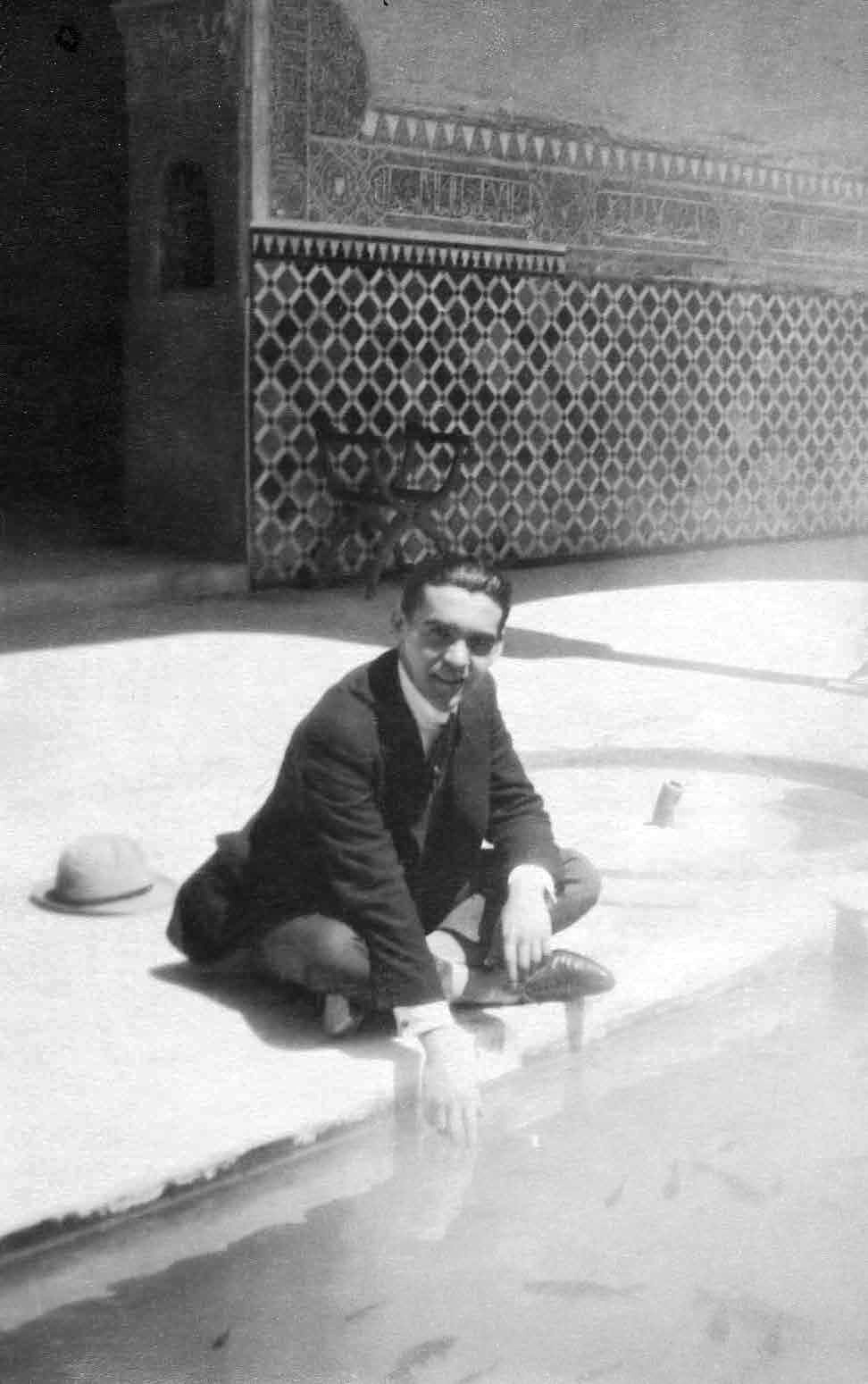 The contest that took place in 1922 in Granada
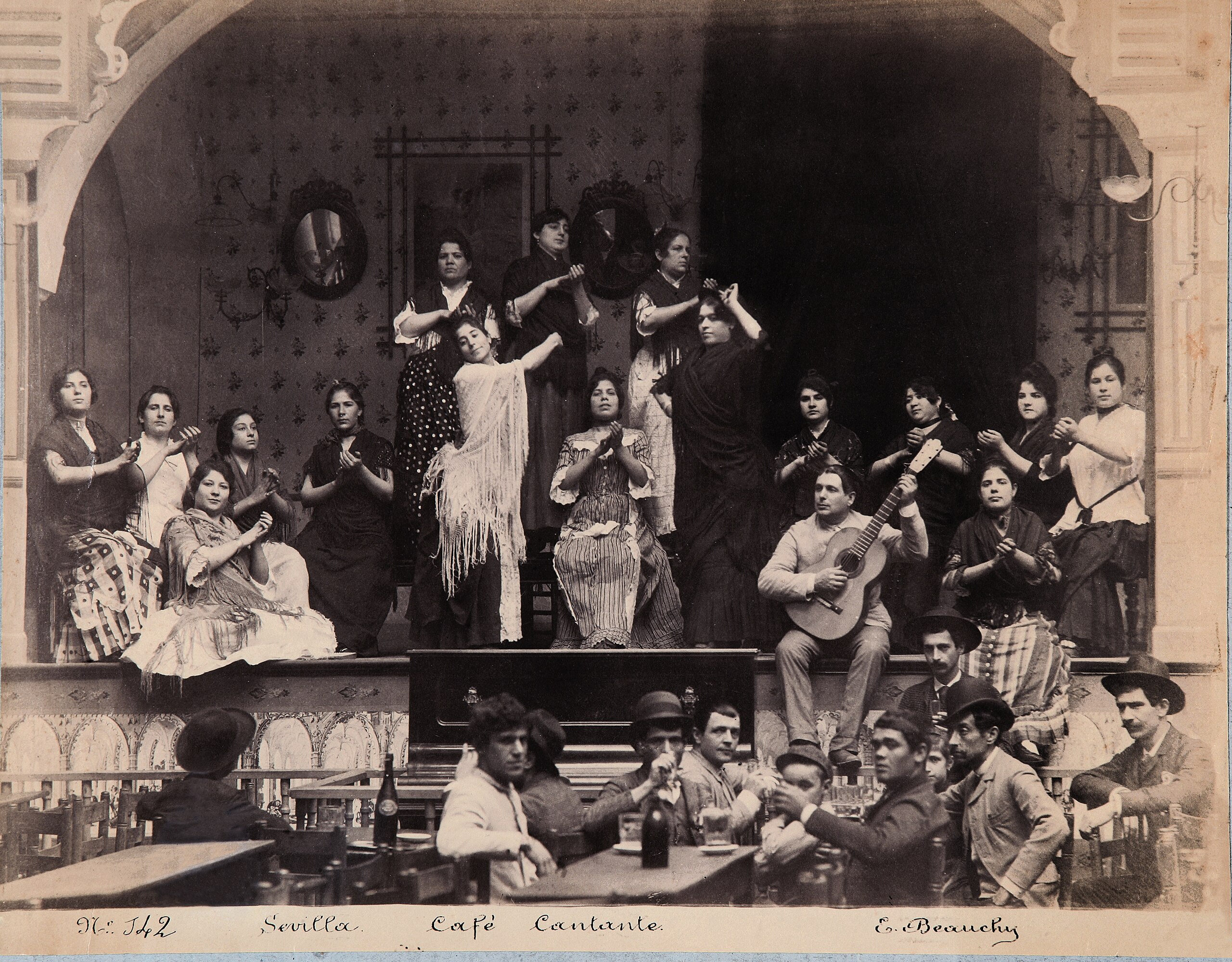 The great creators. The Golden Age. The Singing Cafes
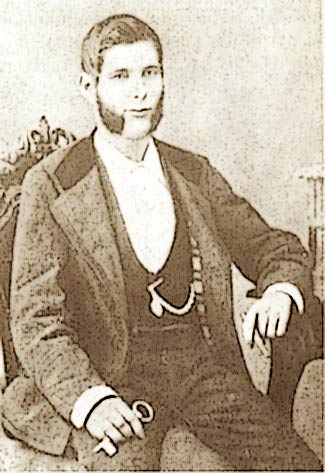 Evolution. Hermetic Stage. First singers
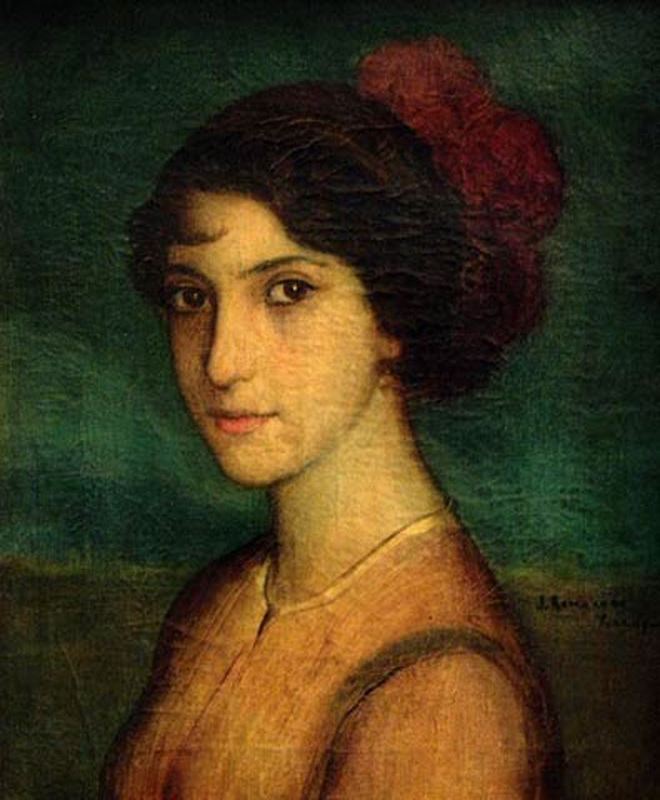 Origin of the word “flamenco”
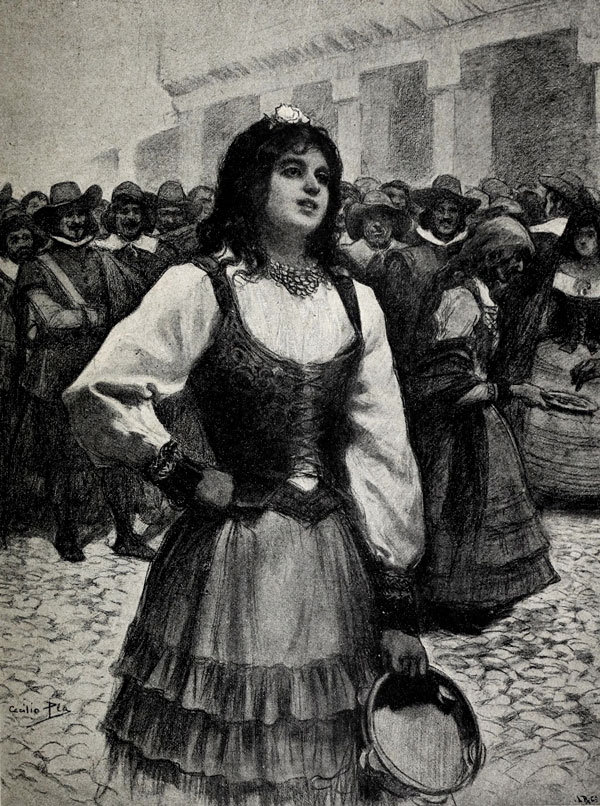 First written references
 Musical background