



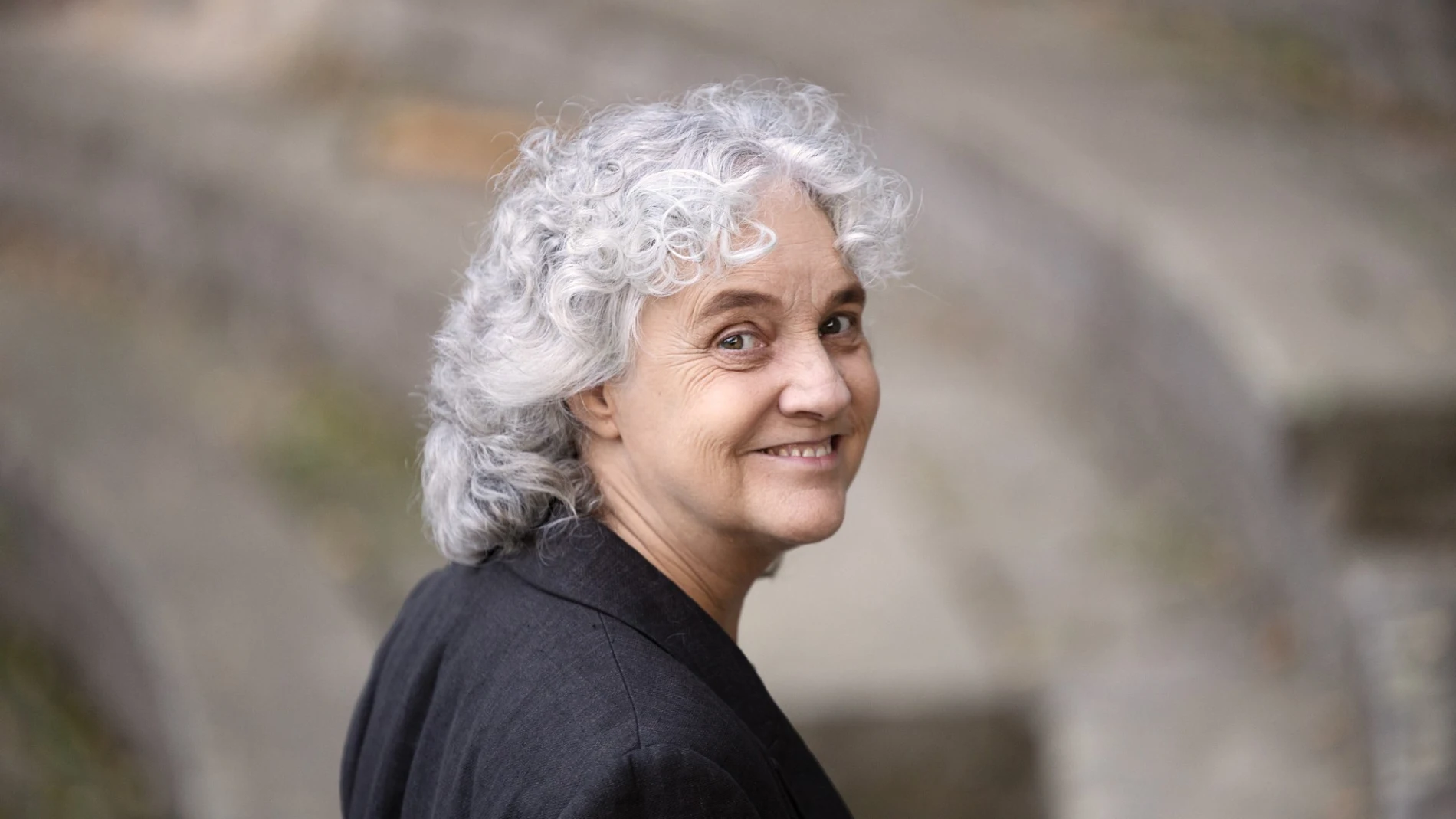
The singer returns to the origin to vindicate the ethics of art and the lineage of those who kept the fire of singing alive.
There is no applause in the studio. Just silence. Mayte Martín sings like someone who lights a candle in the middle of a rush. «In Illo Tempore» is not just a comeback: It is an invocation. The call to a time in which art was not a commodity but an internal necessity; It wasn't consumption., but destiny. In an era that rewards immediacy, recover an uncomfortable word , ethics, and places her in the center of the song. Because flamenco, he claims, it's not ash, but fire, and fire is not for sale: is guarded. Under that ancient light – the indomitable elegance of La Niña de la Puebla and the unrepeatable authority of Pastora Pavón – her voice returns to its origin not to repeat it., but to inhabit it with truth .
«In Illo Tempore» sounds like an invocation. What does it mean today to sing from that almost sacred time?
It is a form of resistance. We live in the rush, in the ephemeral, in the immediate, and I needed to get back to basics. Art cannot be separated from ethics. When that happens it stops being called art.. This album is born from that conviction: guard something that does not belong to us, but that has been entrusted to us.
She speaks of religious respect for the flamenco that gave birth to her. How do you love a tradition without turning it into a museum?, a classical music score?
Preserving the fire, not worshiping ashes. If you freeze it, you kill her; if you trivialize it, also. You have to hold it freely, but from care. I owe flamenco my way of being in the world. Music saved my life when I didn't know how to defend myself or express what hurt me.. gave me a voice. From that gratitude, respect is born.
He has spent twenty-five years without recording flamenco. What had to be ordered for this album to exist??
An inner culmination. I couldn't do it before. I am independent and that means making all the decisions.. I produced the album alone, for a year and a half. Every detail, each mix. If something was not in its place, I didn't let it happen. I needed to feel that what I left recorded was true. Now I feel like everything was in its place..
«Entreverao» and «Puro», the parts of your last job, They seem like two different geographies.
There are two ways to inhabit my memory. In “Entreverao” other music coexists, there is a more obvious creative intervention. In "Pur"o there is less added imagination and more respect for the canon. But even in the most traditional flamenco there is a filter that is mine. There is no interpretation without identity.
You insist on the ethics of singing. Where are the limits?
In not selling to the highest bidder, flamenco is not for sale. Not because you sell yourself, but because you sell something that is sacred. Art has saved many people from spiritual ruin. It saved me. Artists have a moral responsibility: guard, protect, respect. When ethics disappear, art loses its name.
On the eve of 8 March, What women go through their flamenco genealogy?
Many, and very powerful. I think of the Girl from Puebla, a cultured woman, independent, ahead of its time. He had enormous sweetness, but also an impressive inner strength. He knew how to gain respect in a difficult world without losing elegance or artistic depth.. and I think, how not, in Pastora Pavón, the Girl with the Combs. She was a pioneer, expanded repertoires, left a mark that we still breathe. There was art and character in it. They weren't just admirable voices: They were women with a very strong self-awareness.
Have they also been ethical references?
Yeah. Many had to fight in very rigid family and social structures. The history of flamenco was written mostly by men, but they conquered their space on stage and off it. And when a woman sits on the boards, there is no speech that is worth it: you have to prove. And they have done it.
After this return, what do you feel when you sing?
Freedom. More width. I feel different, more mature. Well accompanied by José Gálvez. I close one stage and open another. Singing now is more naked. I no longer need to prove anything. just be.
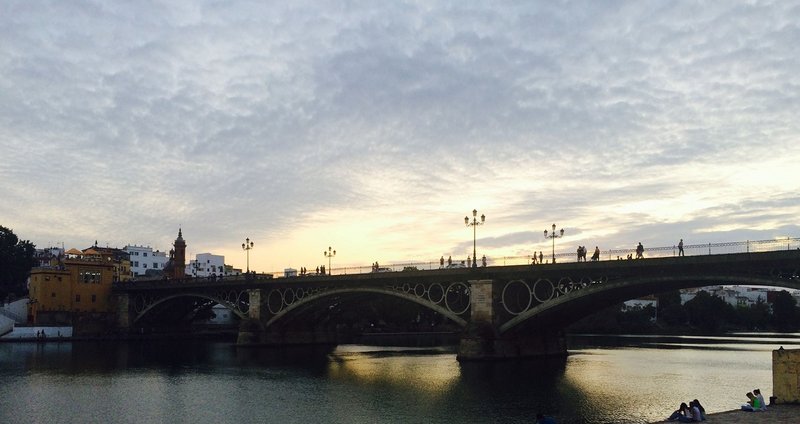 Sevilla
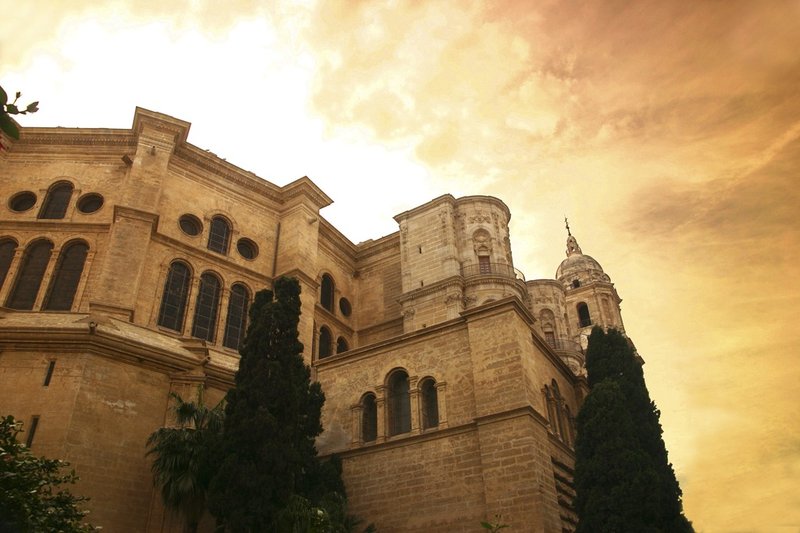 Málaga
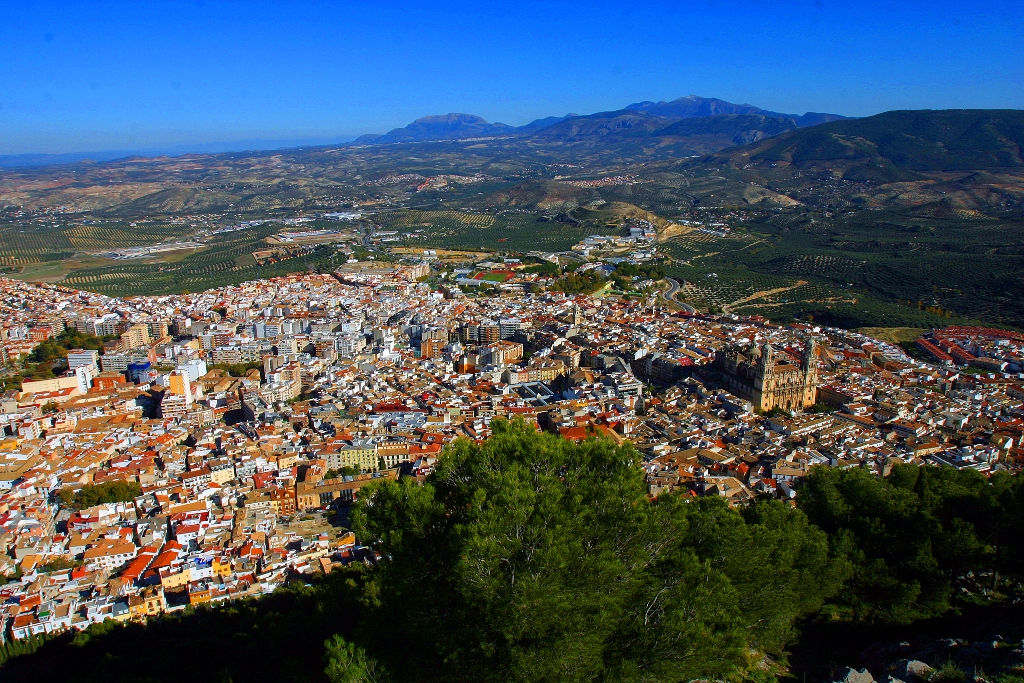 Jaen
Jaen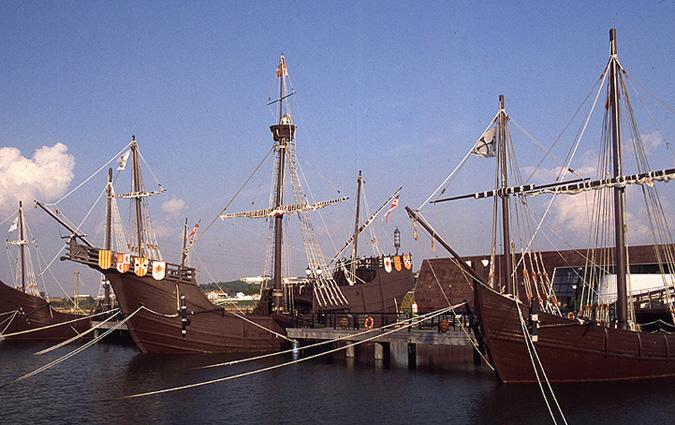 Huelva
 Granada
 Córdoba
 Cadiz
Cadiz Almeria
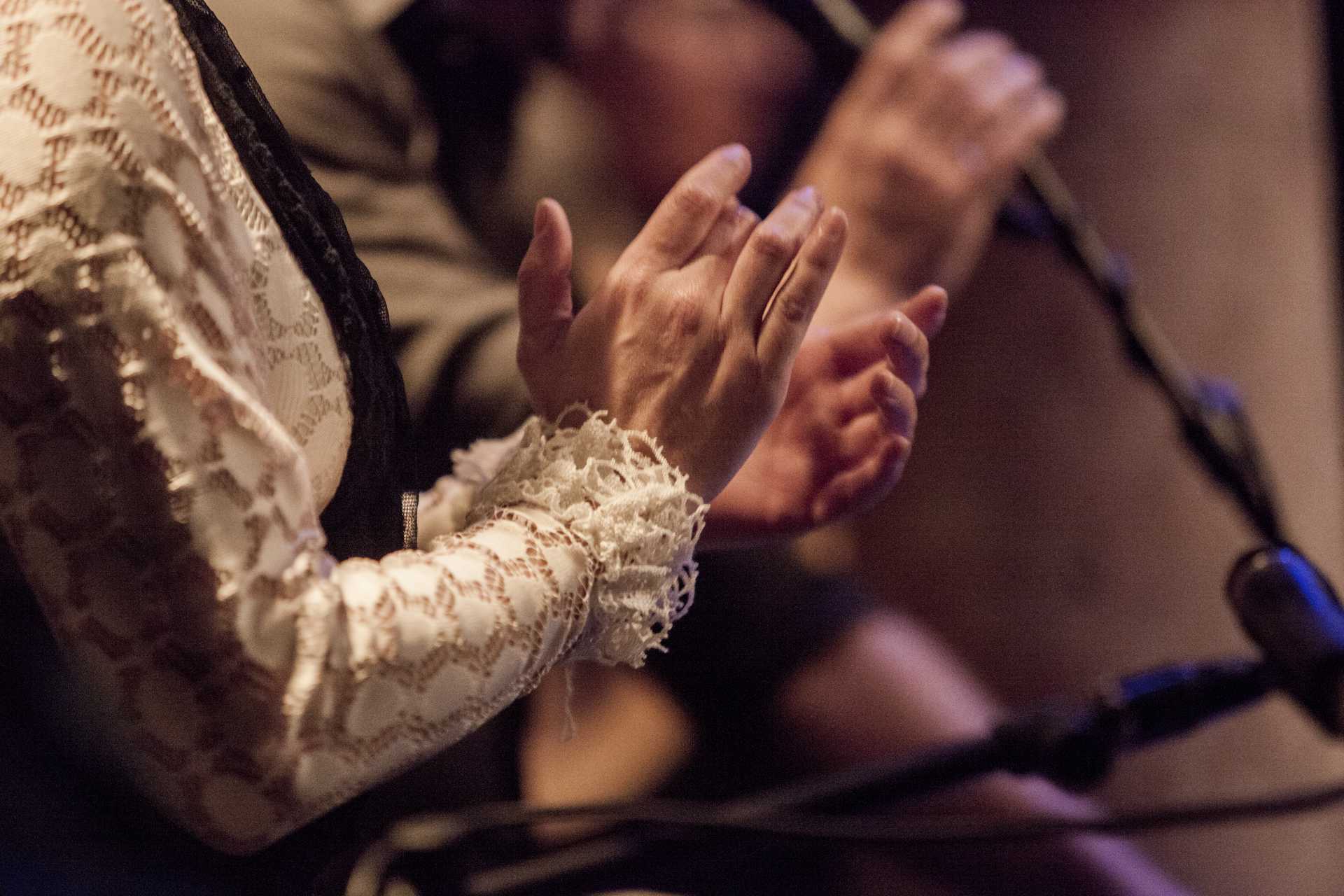 A tourist and cultural vision of flamenco
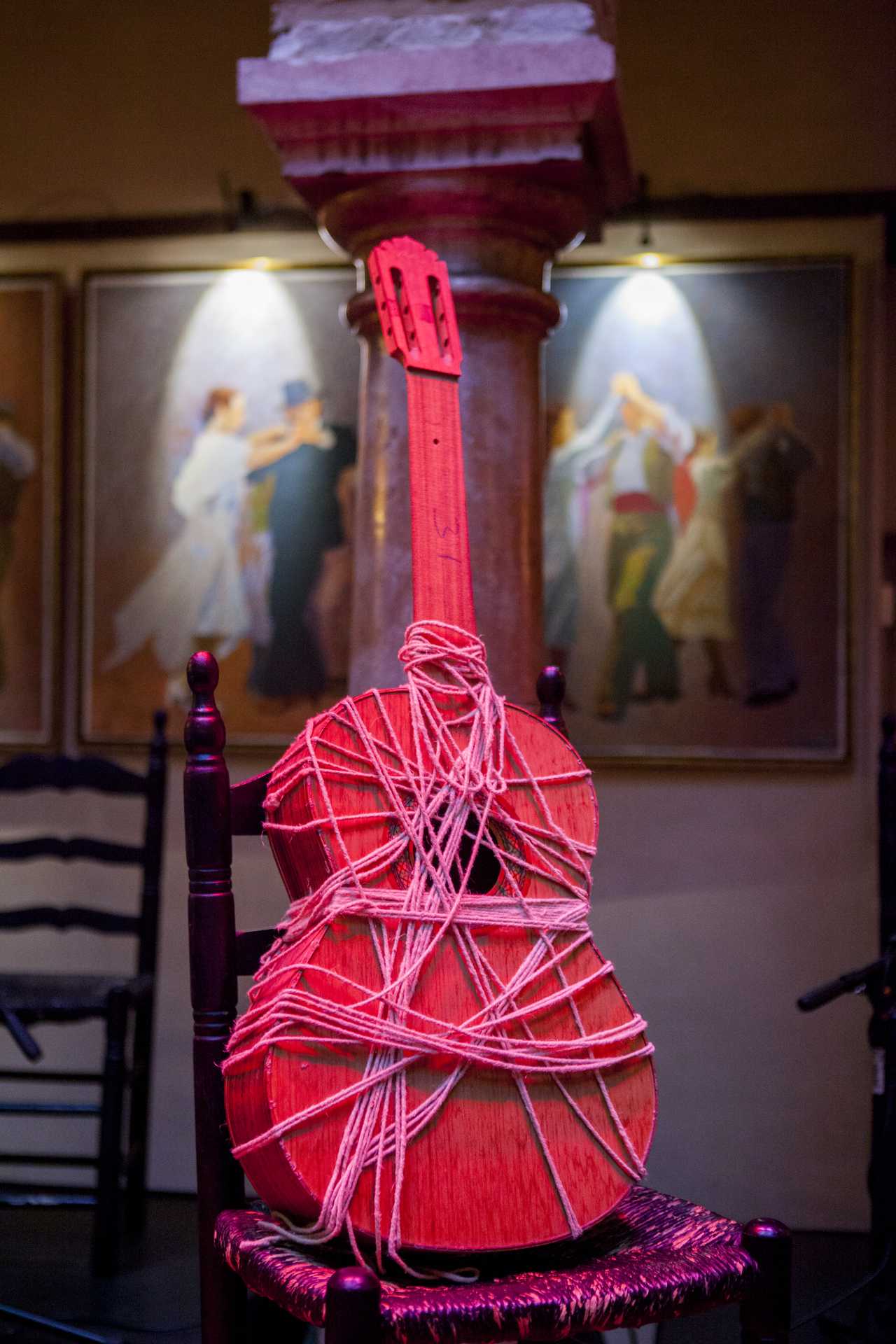 The Guitar, last to join.
 The history of flamenco with respect to its geographical distribution
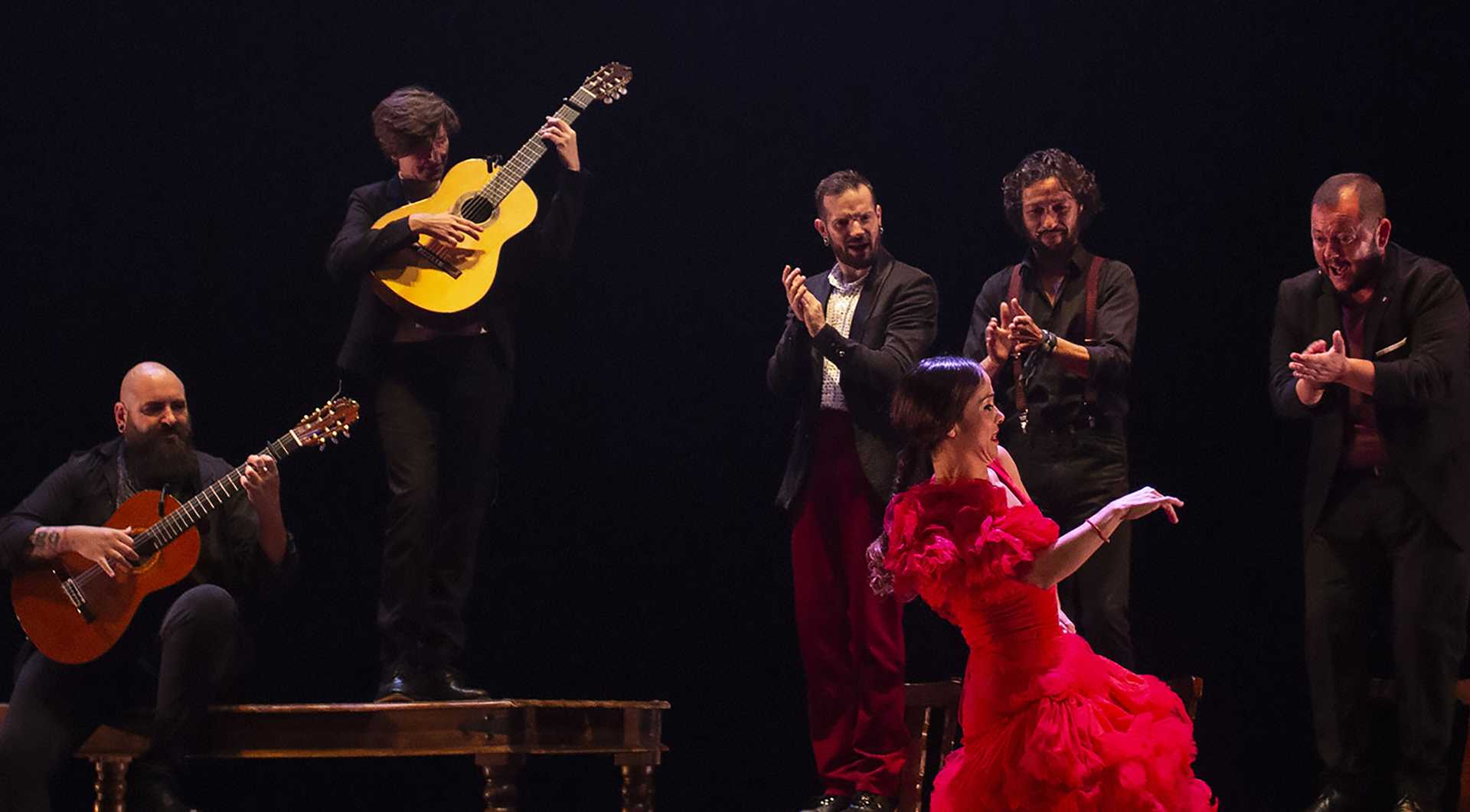
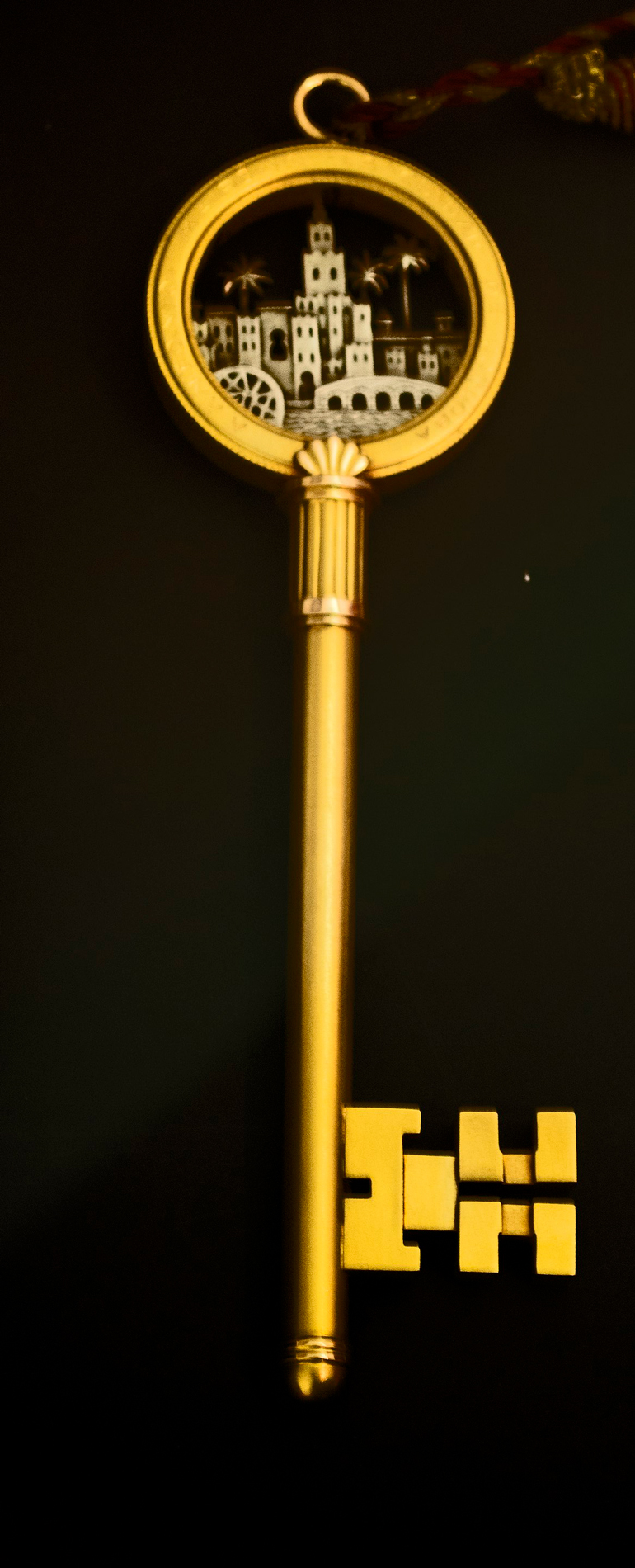
 The present and future of the genre. The Fourth Golden Key of Singing.
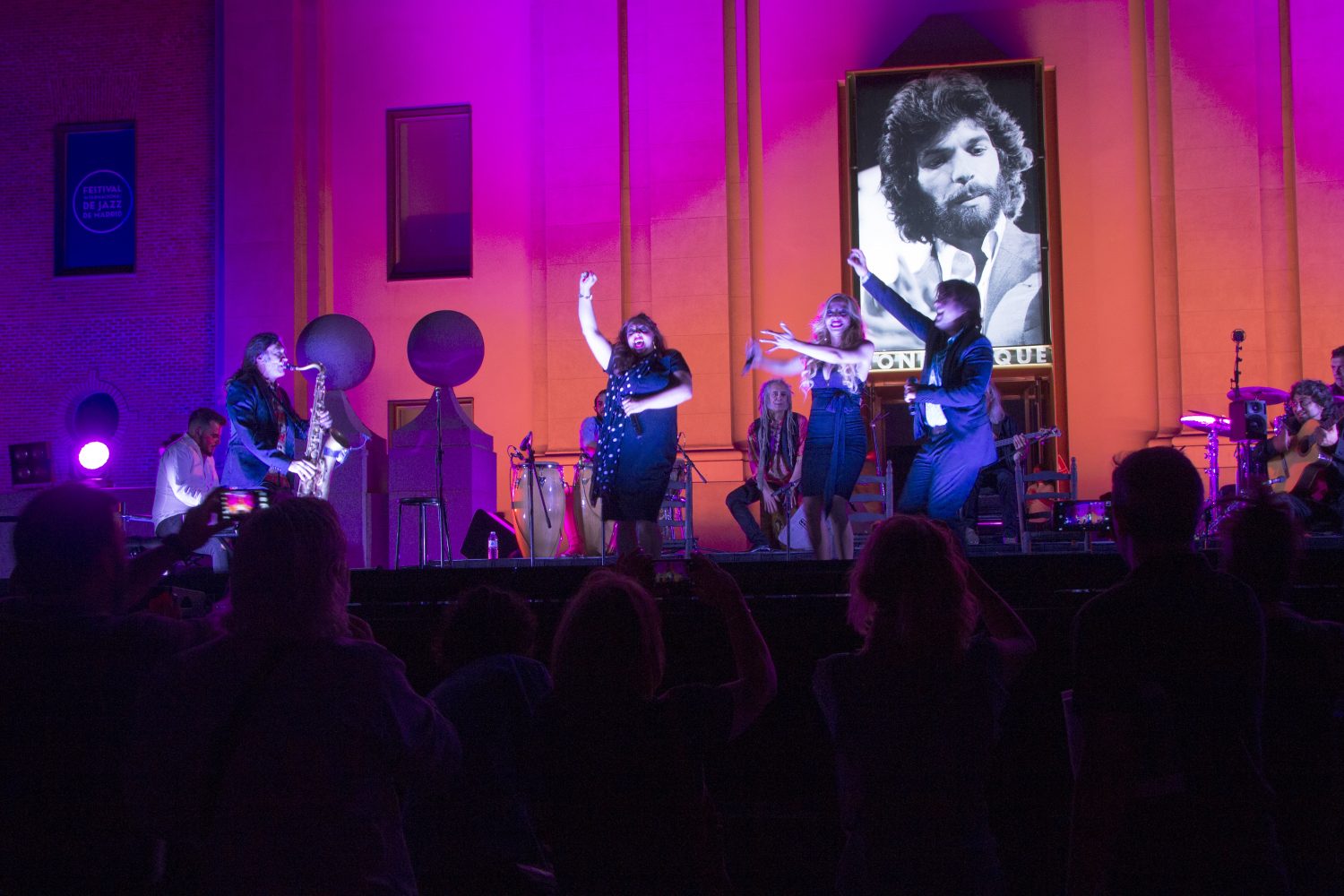
 The festivals
 Revaluation of flamenco. Third Golden Key of Singing
 The Flamenco Opera
 Flamenco in Madrid. The Pavón Cup. Second Golden Key of Singing
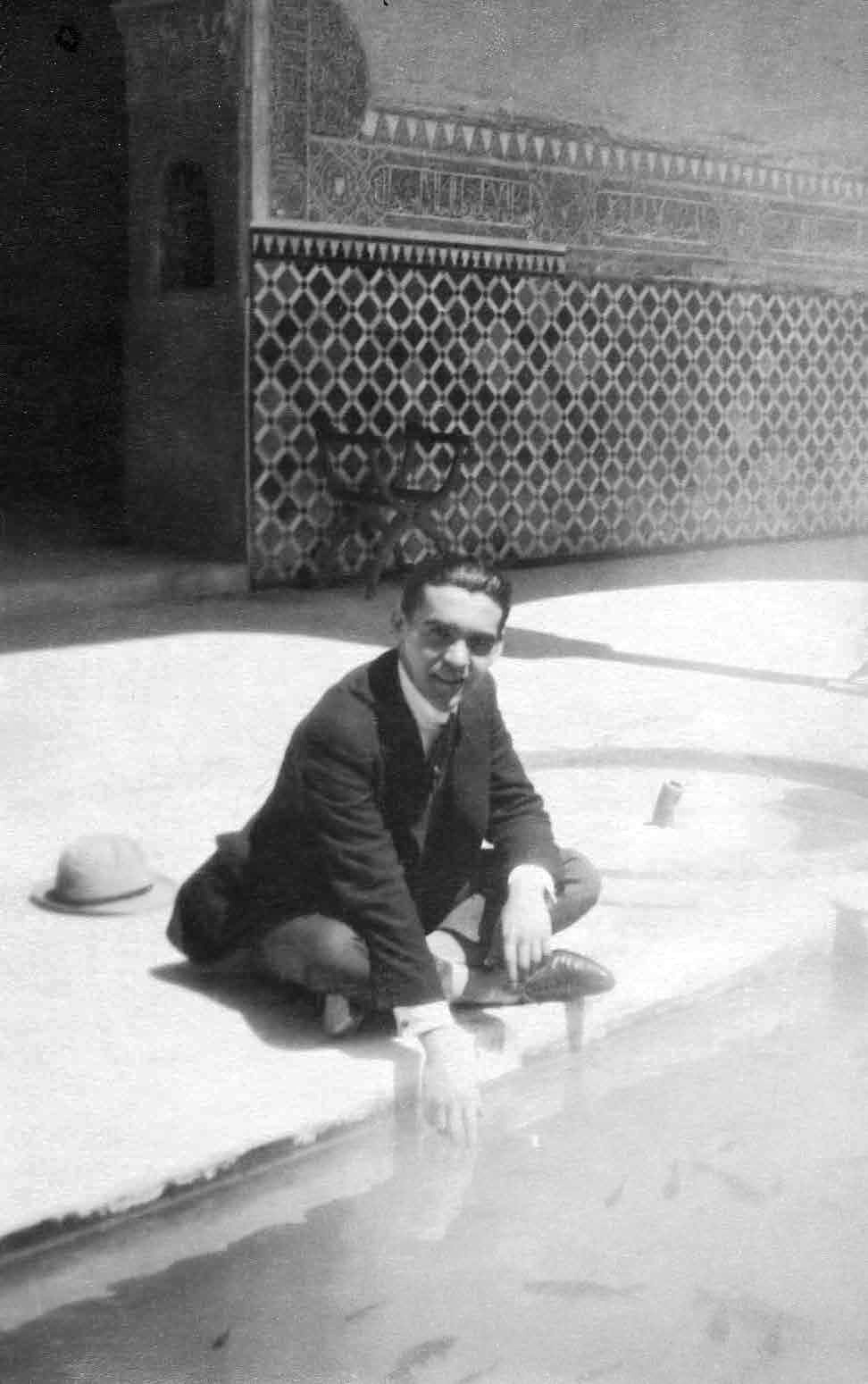 The contest that took place in 1922 in Granada
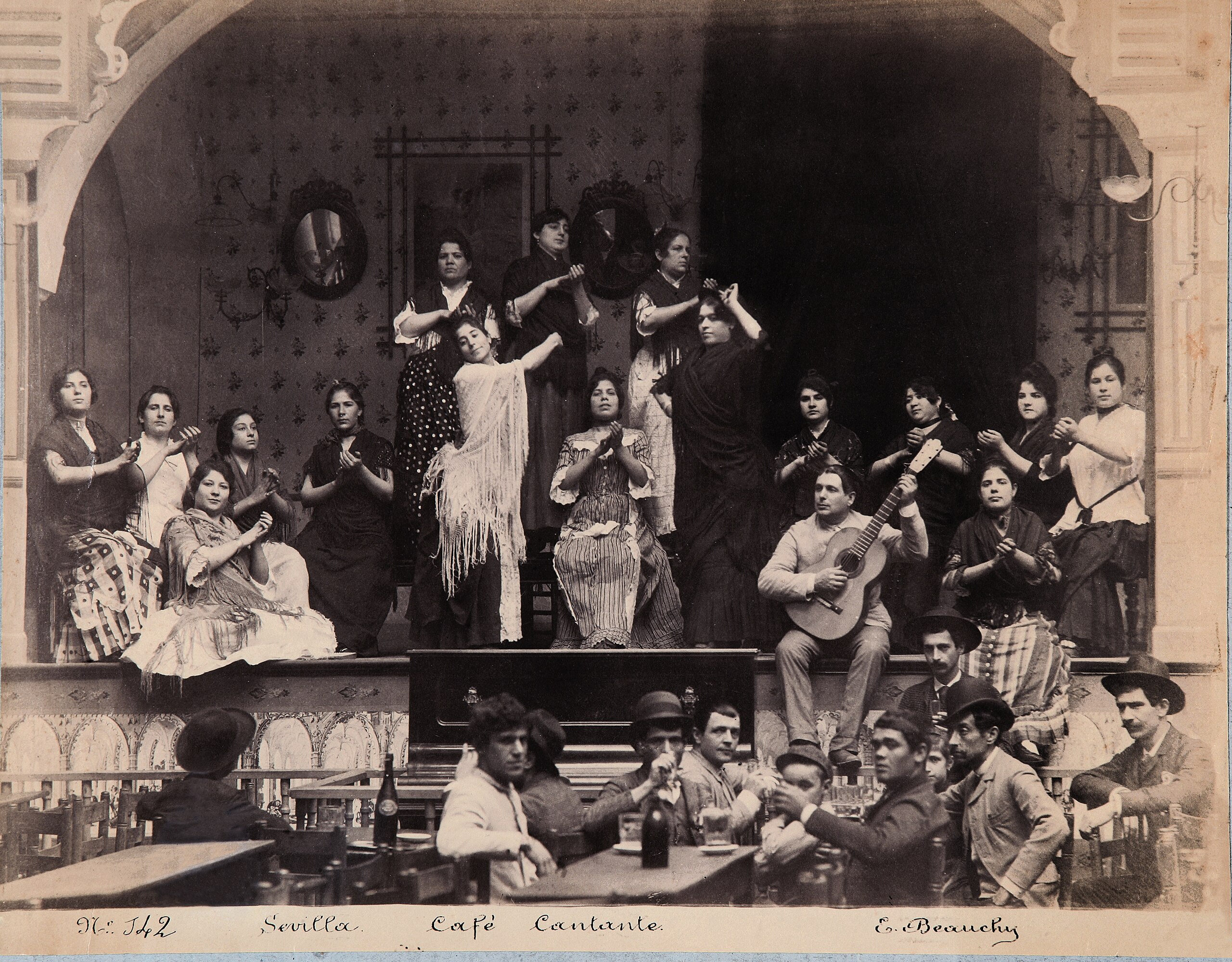 The great creators. The Golden Age. The Singing Cafes
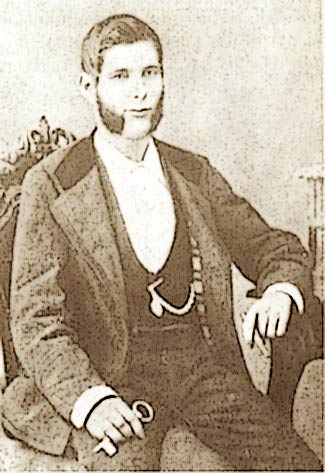 Evolution. Hermetic Stage. First singers
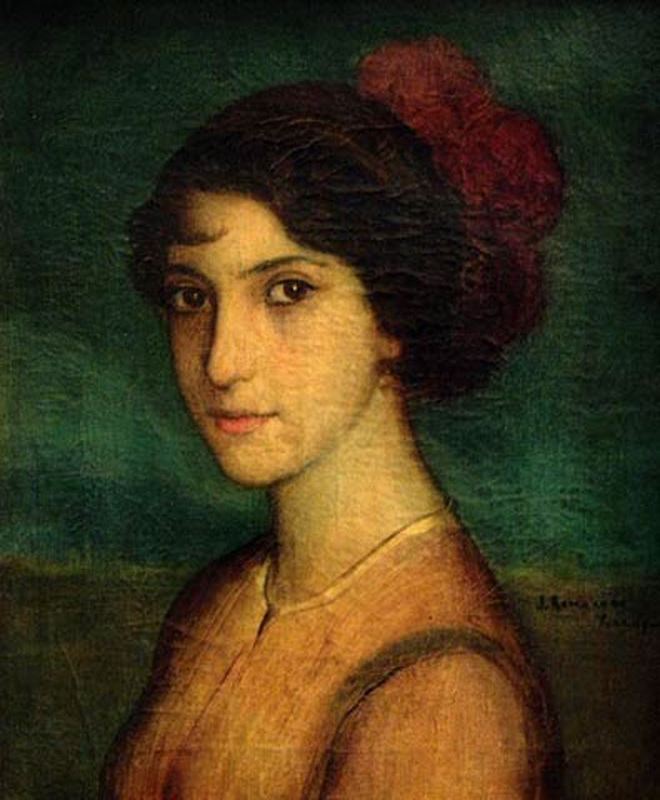 Origin of the word “flamenco”
 First written references
 Musical background