



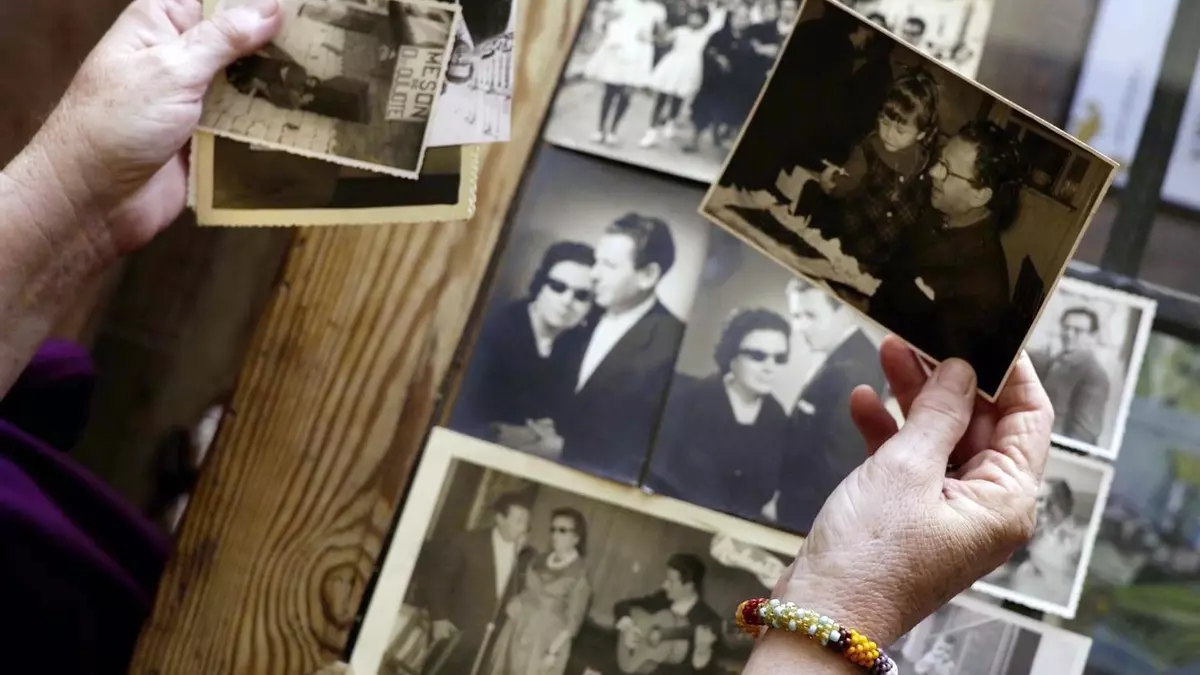
For the majority of the public who remembers her, La Niña de la Puebla is above all the interpreter of Los Campanilleros, the Christmas carol with a catchy melody that was chosen as the song of the year in Spain in 1952. However, the dimension of this artist, blind since a few days after birth, transcends that success to place her among the fundamental figures of 20th century flamenco. Así la destaca la cineasta onubense Remedios Malvárez en el documental Acuérdate de mí, which will be premiered at the next edition of the Malaga Festival.
The common thread of this new work by the director of Pico Reja and Fandango are the conversations that her granddaughter, the actress Adelfa Calvo, recorded with her when the artist was 82 years. “This story comes to me through Adelfa, with whom he had a professional relationship”, Malvárez remembers. “We were together at the Feroz gala, and she asked me to go to Malaga to eat with her, because he wanted to tell me a story. He explained to me what he was doing 40 years ago that he had begun to collect material from his grandmother, because I intended to make a book or a documentary. He even recorded part of his family. When she gave me those documents, I saw that there was a story to tell, about a character that I found fascinating. But he didn't want to tell only his grandmother's life., but the story of a granddaughter who wants to make a film about her grandmother”.
Born in La Puebla de Cazalla, Sevilla, in 1908, Dolores Jiménez Alcántara gave early signs of talent, He debuted very young under the inspiration of the idol Pepe Marchena, your great reference, and married another estimable singer, Luquitas de Marchena, against the opinion of a too strict father. Throughout his life he covered a wide spectrum of songs, “although he carried Los Campanilleros in his repertoire during 70 years", comments Malvárez. “She was an artist who never abandoned flamenco, although he also interpreted it from other shores. Between the end of the 40 and principles of 70, with the emergence of flamenco song, many like Marchena, Caracol or Valderrama adapted those songs. At the time of the great mass flamenco shows, she positioned herself in that place, making a lighter version of cante jondo”.
Internal exile
“It had a hinge position between cante and copla”, the director continues. “He maintained a very personal style, far from the role that many women used to have in this field. She created a subgenre and was able to make the style that characterized her commercial.. Its aesthetic was very different., Their canons of femininity and beauty had nothing to do with those prevailing at the time.. She was a sober woman, singing standing up, no flowers, no shawls, out of all folklorism, not only because of his blindness. She said that she didn't see herself performing the songs like other colleagues.".
Another characteristic of Dolores was an icon of republicanism, who after the tragic outcome of the Civil War became part of the so-called internal exile. In the documentary, the artist goes so far as to assure that “for much less than what I did or said, “They killed people.”. “He positioned himself during the fight, stayed in Madrid, He went to the La Pasionaria rallies and even did a version of Los Campanilleros that was only sung during the war., The Bell Ringers of Liberty. He was about to go into exile on a boat in Valencia, but he realized that he was going to a concentration camp, and since he had small children he did not dare to go up. A family welcomed her in Malaga and she stayed here”.
This internal exile is also manifested in the fact that “Dolores had to hide her freedoms in a drawer and survive.”, like so many women. There is always talk of the exile of those who left, of those who killed, but not so much of those who stayed and had to adapt. She always lived in fear, but he continued to retain his sense of freedom at home, passing it on to his family.".
eternal night
“Eternal night of my eyes/ light hidden in the shadows/ I live in the darkness/ with no other light than my life/ light and life are my song/ like tears I felt”, he sang in a thrilling milonga. Eye drops administered by an incompetent doctor deprived her of her sight, condemning her to walk around the world and the stages behind black glasses. “He assumed his blindness not as an impediment, but as something natural. He was a person who overcame a disability, He launched his career and was an empowered person., with the values of the Republic, and turned his physical handicap into a symbol. She was a businesswoman, She contradicted her father's will and went beyond the destiny that the society of her time reserved for disabled women.. She said she liked the world as she imagined it., "I had no interest in seeing him as he really was.".
When asked what he expects from his documentary, in which current figures such as María Peláe or Sandra Carrasco participate, Malvárez affirms that “the first thing is to agree with what you want to say.”, and after the public accepts it. Our intention has been to recover a figure that represents many women of the time, do not forget our female references, how those grandmothers knew how to survive a war. Characters like La Niña de la Puebla provide values and memory, They are necessary to continue building our present”.
 Sevilla
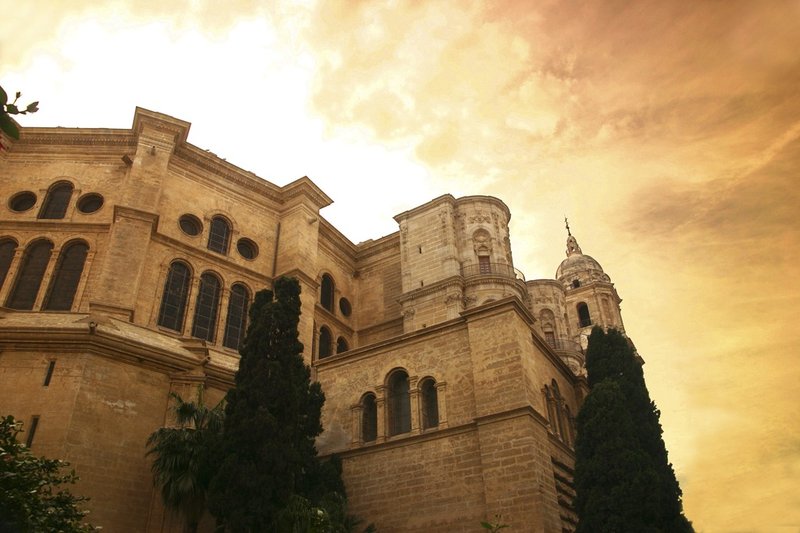 Málaga
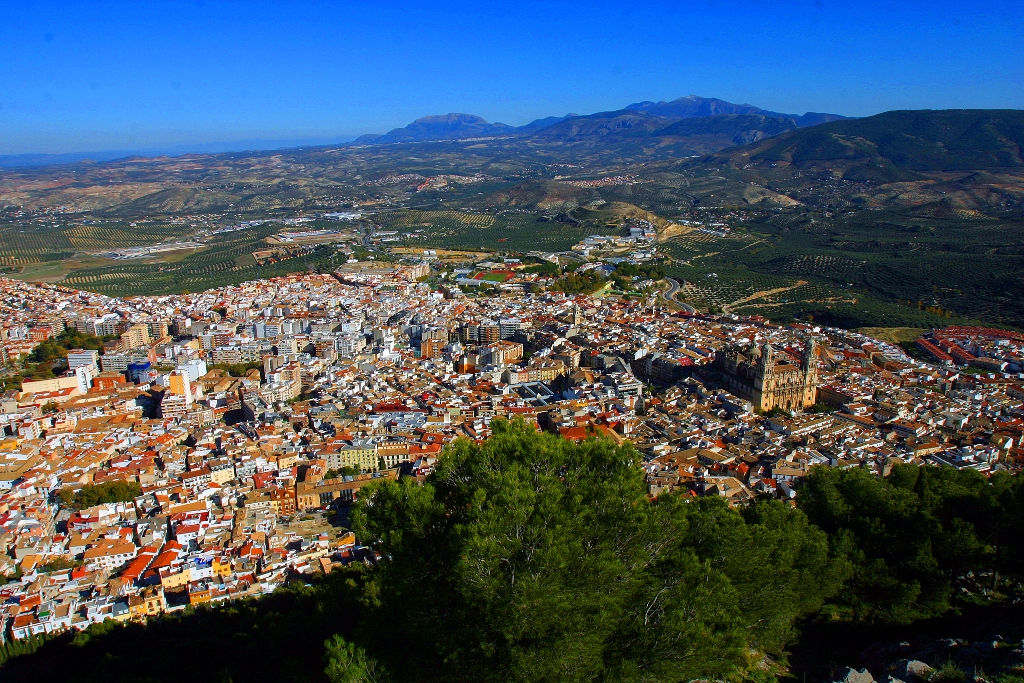 Jaen
Jaen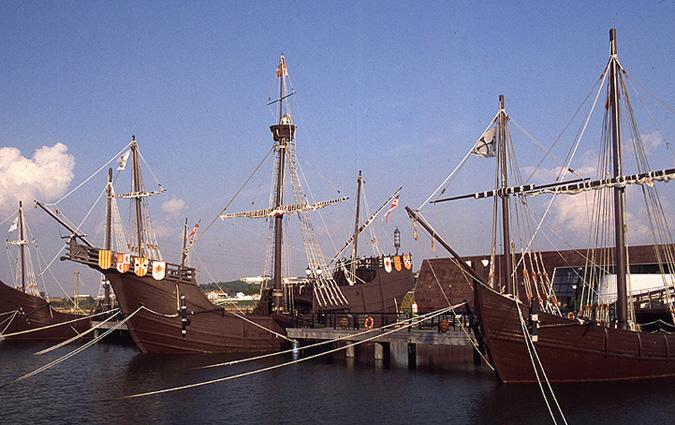 Huelva
 Granada
 Córdoba
 Cadiz
Cadiz Almeria
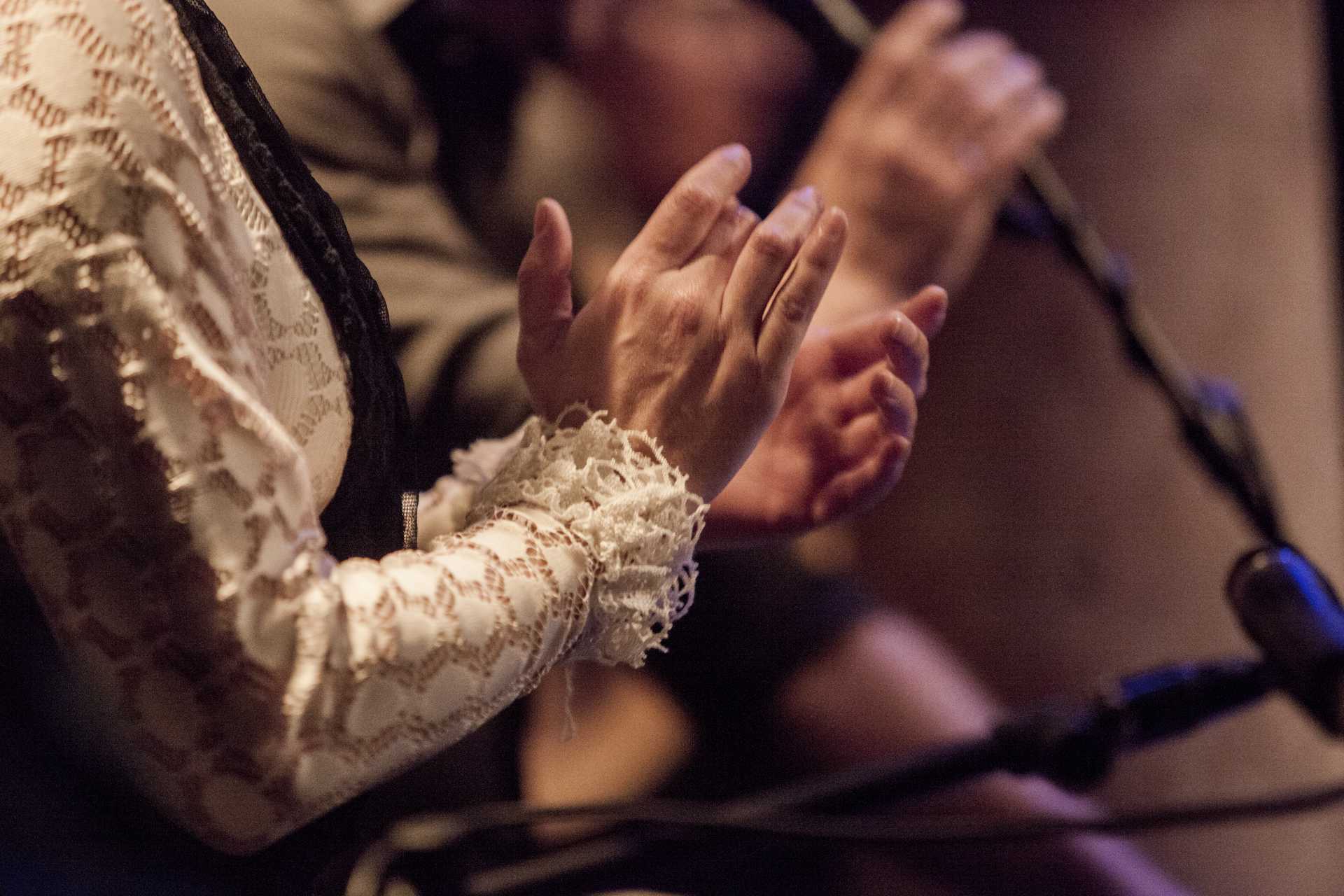 A tourist and cultural vision of flamenco
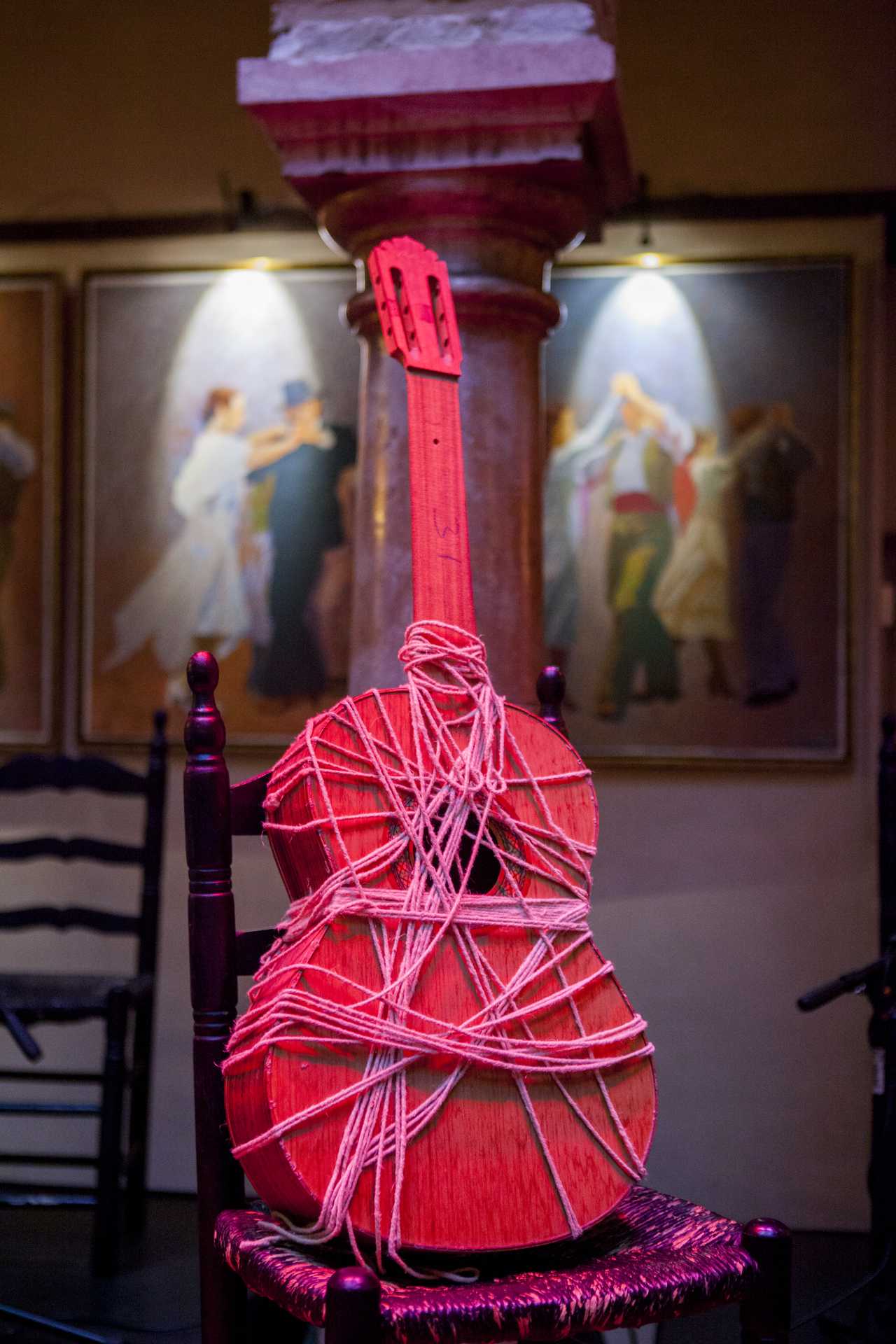 The Guitar, last to join.
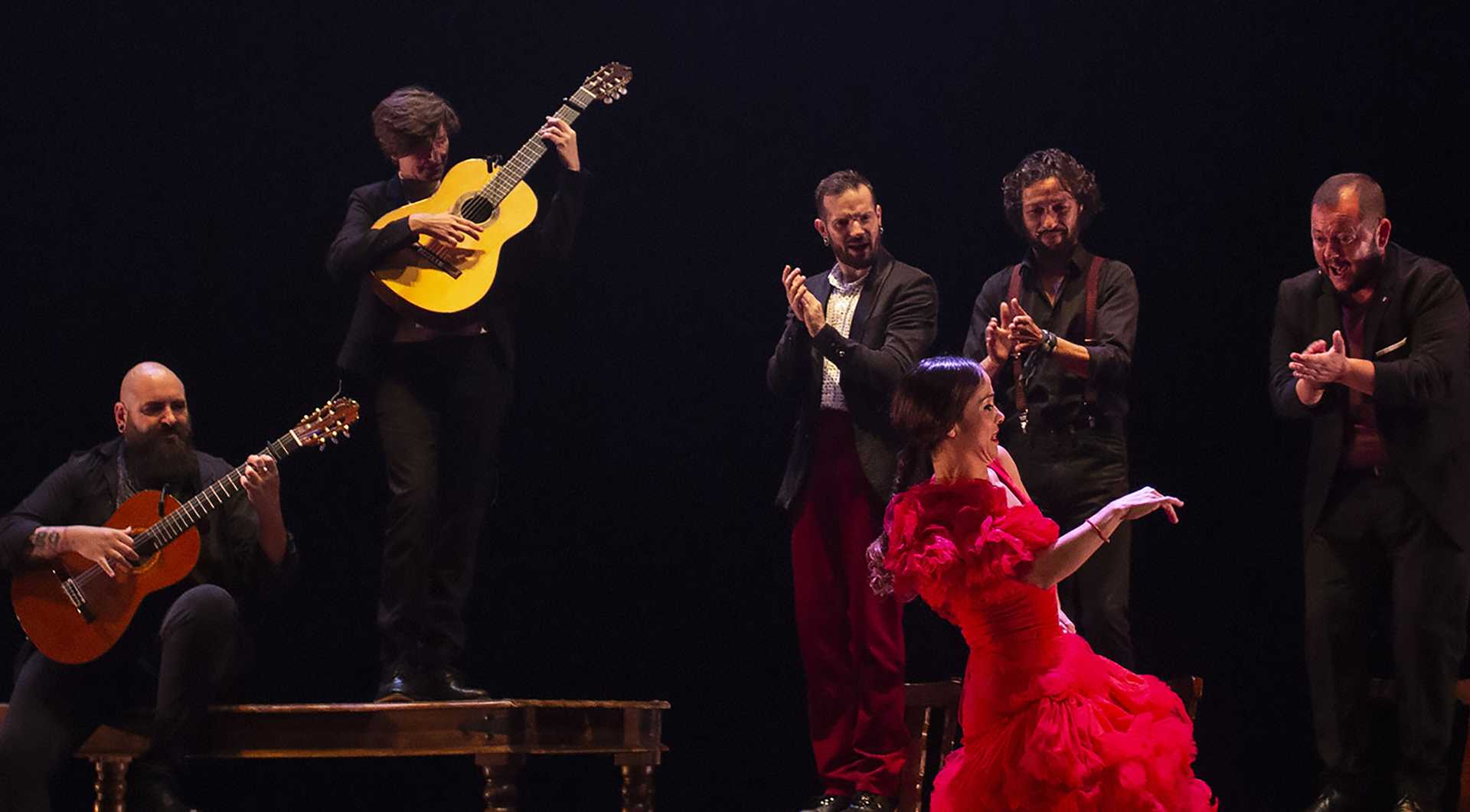 The history of flamenco with respect to its geographical distribution
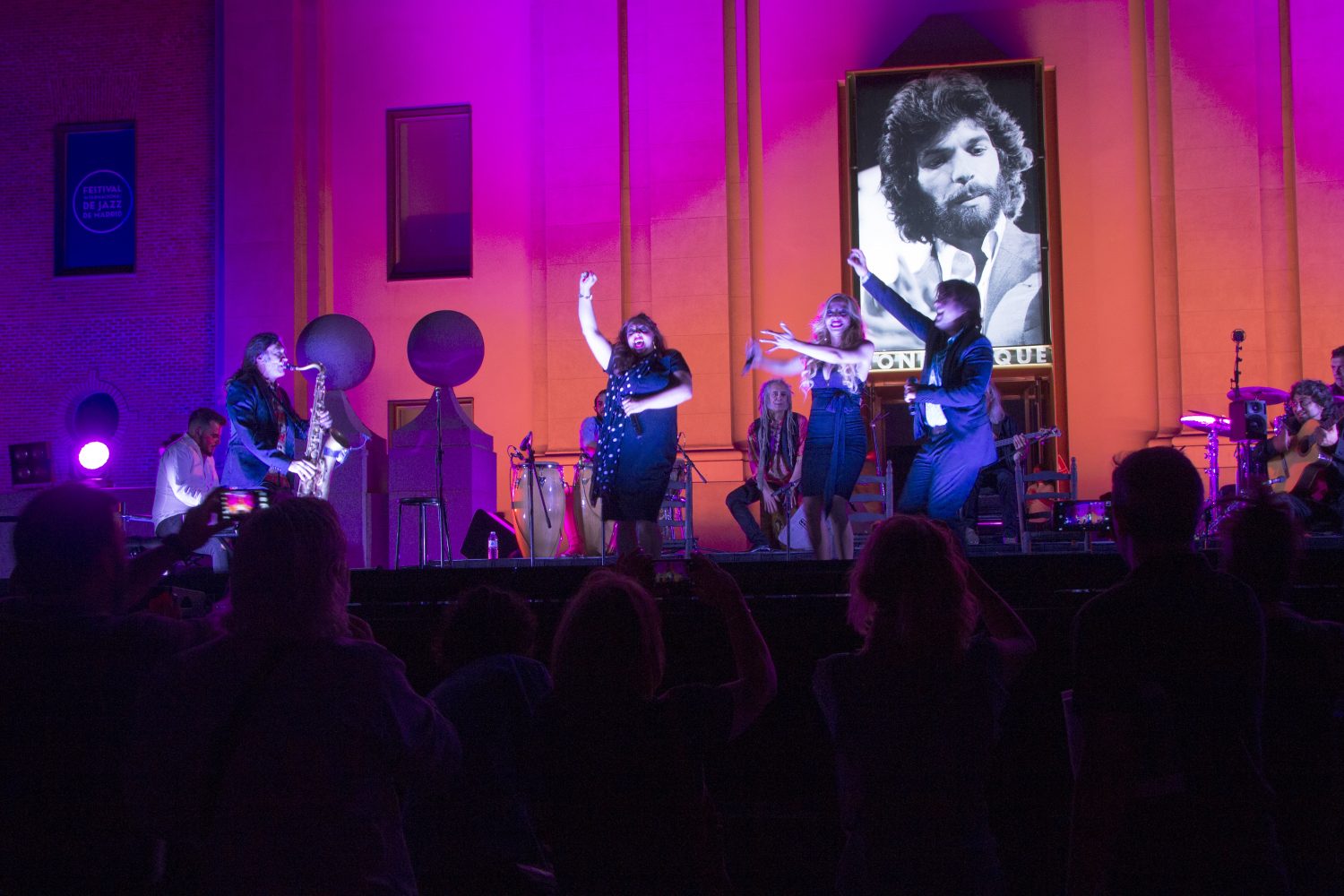 The present and future of the genre. The Fourth Golden Key of Singing.
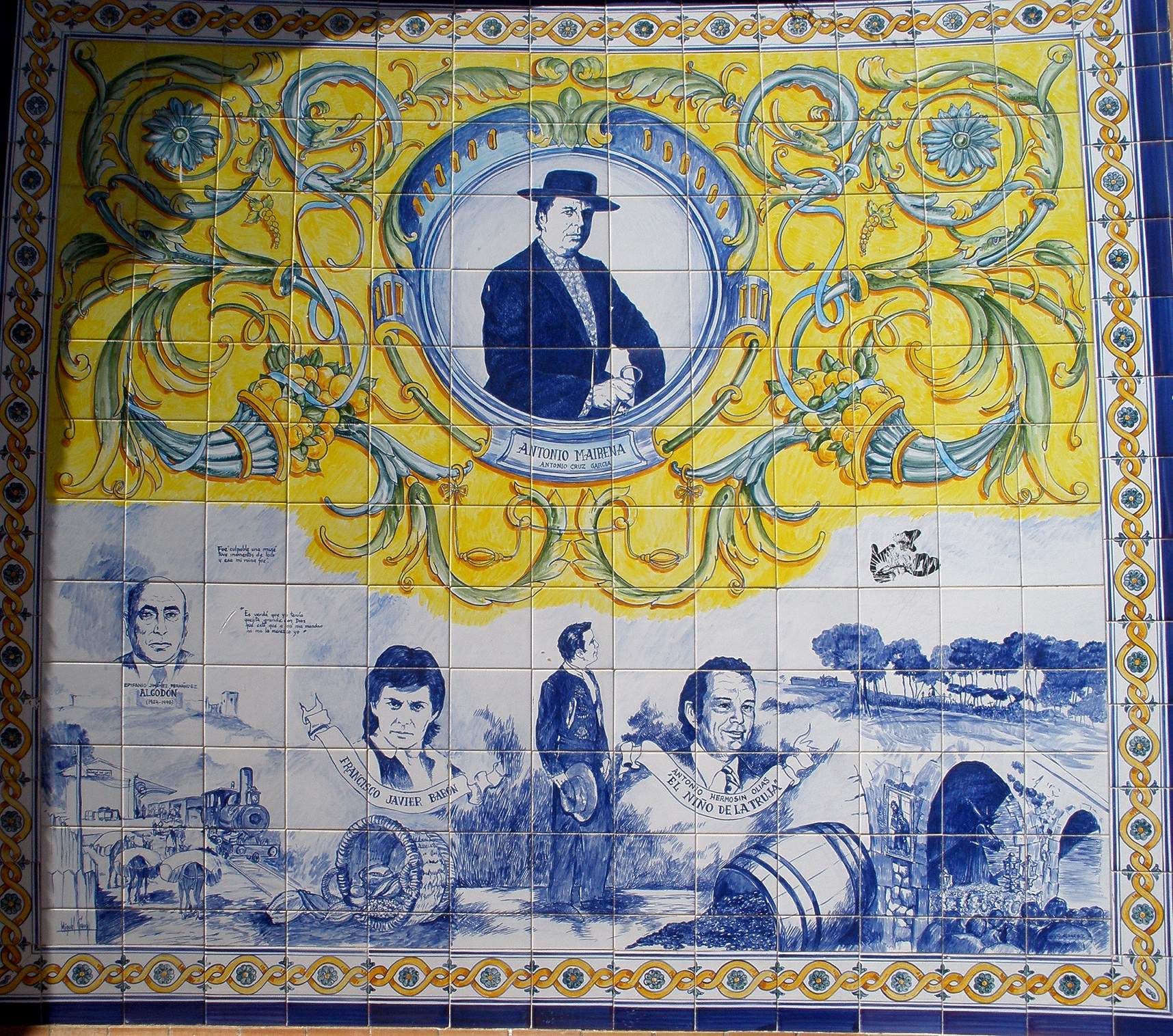 The festivals
 Revaluation of flamenco. Third Golden Key of Singing
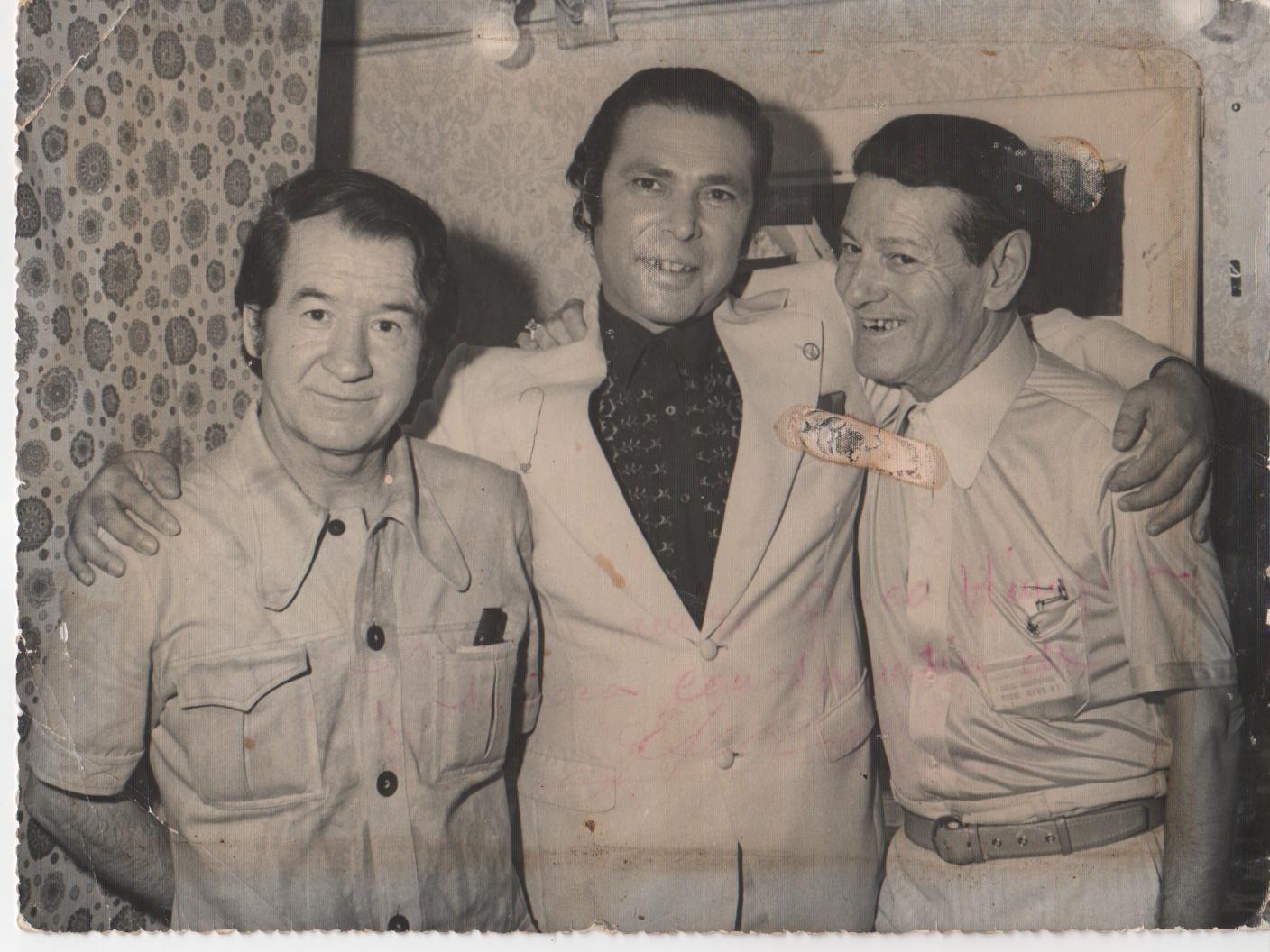 The Flamenco Opera
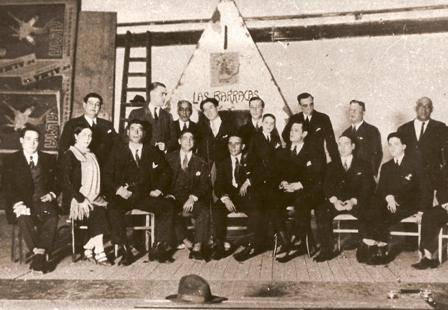 Flamenco in Madrid. The Pavón Cup. Second Golden Key of Singing
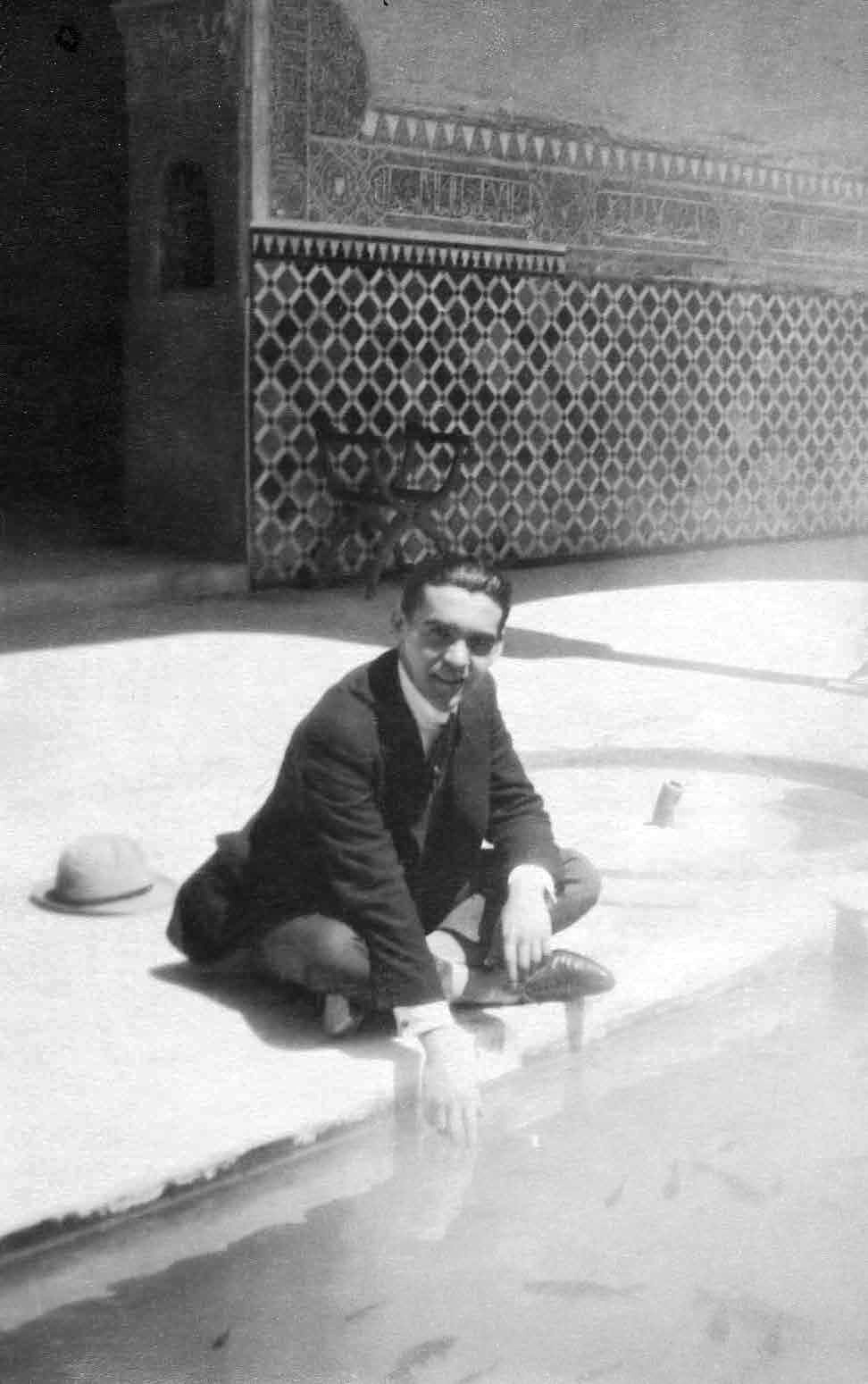 The contest that took place in 1922 in Granada
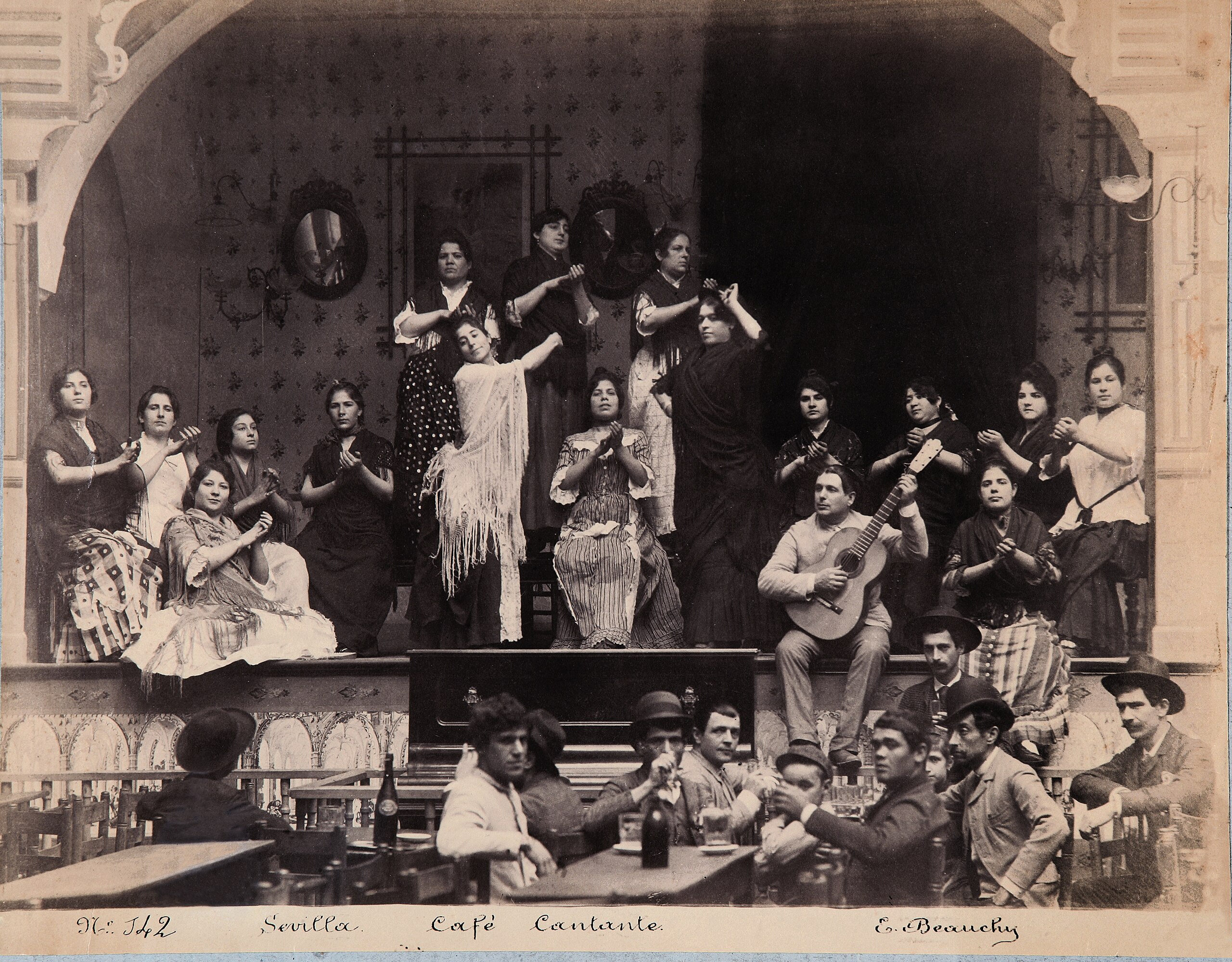 The great creators. The Golden Age. The Singing Cafes
 Evolution. Hermetic Stage. First singers
 Origin of the word “flamenco”
 First written references
 Musical background