



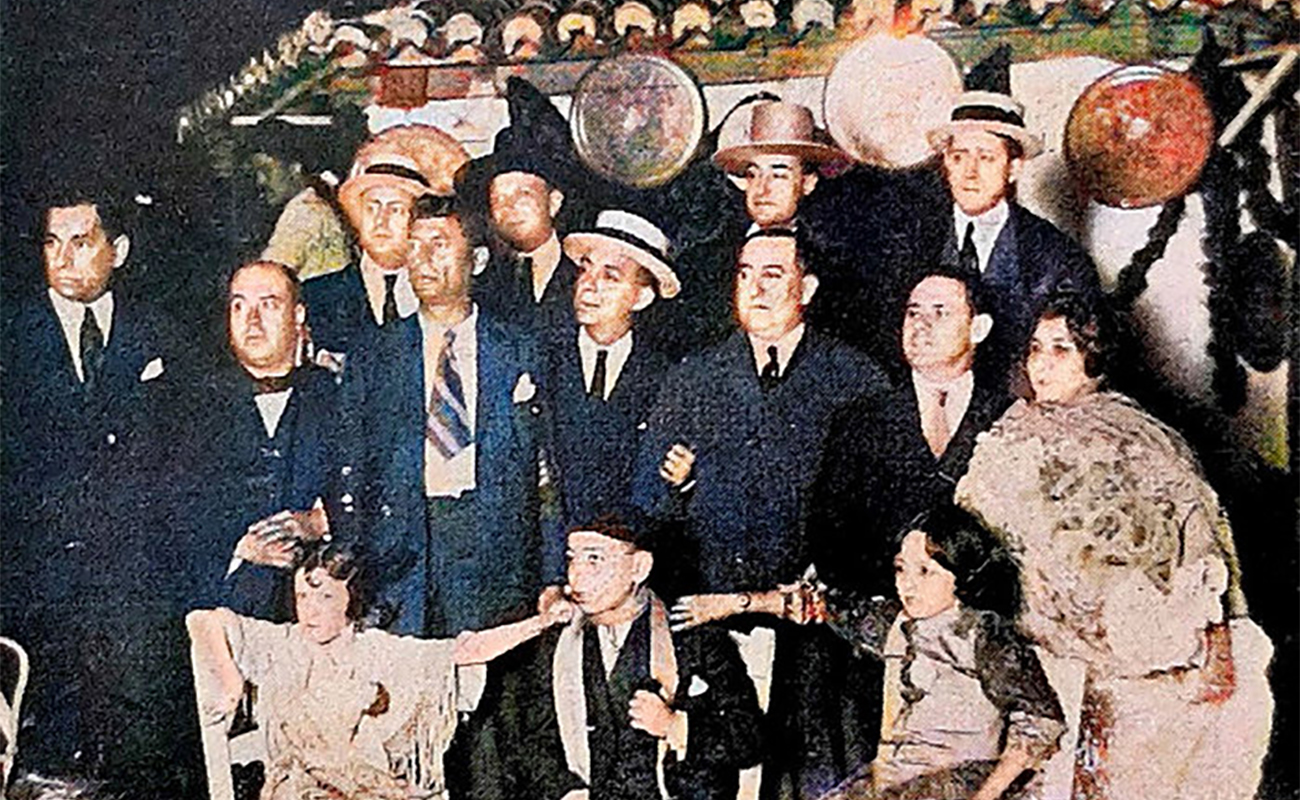
In a few days it will be one hundred years since the Cante Jondo Contest. 1922 celebrated in Granada. Without a doubt, It is no exaggeration to say that this was the most significant event in flamenco of the entire 20th century..
To understand the reasons of those who devised it, promoted and controlled, We must first know who were those people who gave it the known form, as well as the reasons that led them to make the decision to convene this event, by then, of absolutely unimaginable magnitudes.
The organizers / Idea
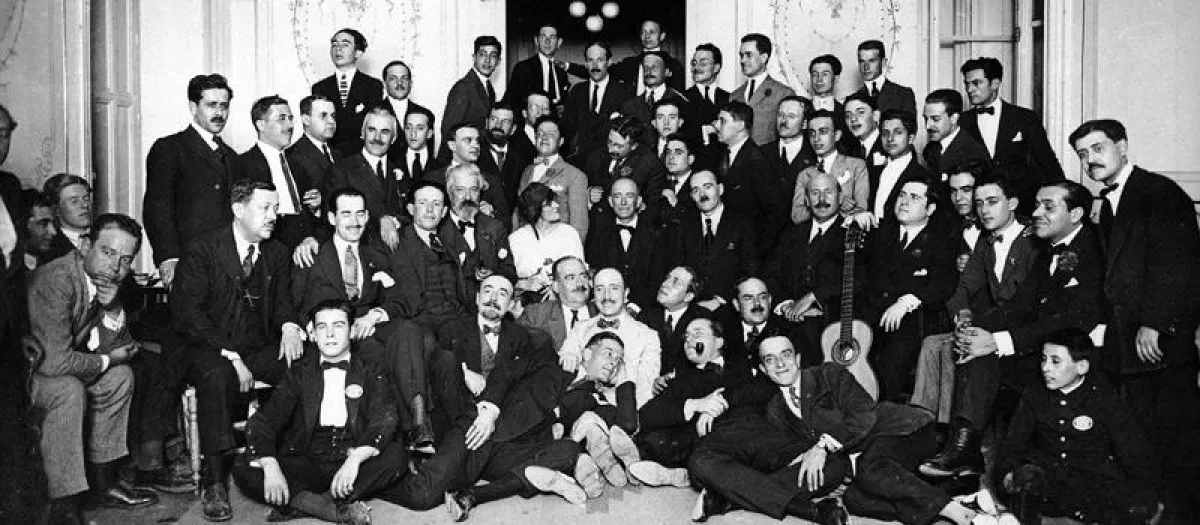
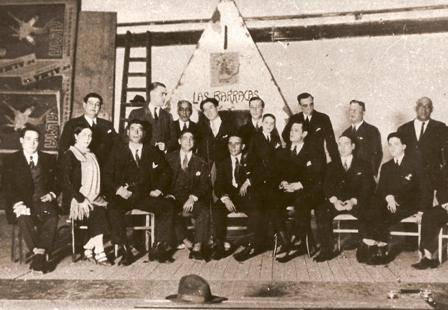
Back in the twenties, in the never sufficiently considered city of Granada, an illustrious group of flamenco fans belonging to the intellectual universe of the arts in general, composed of musicians, painters, writers, the poet, set designers, philosophers, journalists, politicians, etc. People who met frequently in the Cafe Alameda from Granada, where they formed the famous Rinconcillo Gathering, while surely, They would share their hobby with the local singers of their time in the famous Montillana or else, in the tavern Polinario, how could they be Paquillo the Gas, The Zucchini, Rafael Galvez, John of the Cross, Antonio Barrios (a) The Polinario, Picorreondo, Miguel Milena (a) Child from Granada, in addition to many other flamencos, that in those parts let the Granada nightingales sprout that, in its sonorous display, They competed with the jets of fresh water that flow from the Sierra Nevada towards the Generalife and the Alhambra., and that the people of Granada delight in drinking from the sung Fuente del Avellano, where, as the song says, “The cinnamon flower” is born.
Our thoughtful members discussed the bad times that the Jondo style was going through.. Dissertations focused on the fact that the Jondo was synonymous with the old, authentic and genuine Andalusian. On the contrary, Flamenco was something mixed and therefore contaminated with the singing that professionals did to be able to bring a plate of food to their children. (evil professionals, who work for money).
I want to think that they must have also regretted the little qualitative space that was left for what was Spanish or traditional in the land., that was gradually cornered by foreign musical genres, which plenty of frivolity, female skin shows, laughter, dances and bohemian fun, They had enthroned themselves in the halls and party rooms, without giving any quarter to the singers of the vilified Andalusian art, those who really talked about this; professional artists, those who created the soleares and the seguiriyas, although at that time, for future jondistas, These were the cause of all the evils of flamenco contamination with “flamenquista inventions” such as malagueñas., granaínas or fandangos.
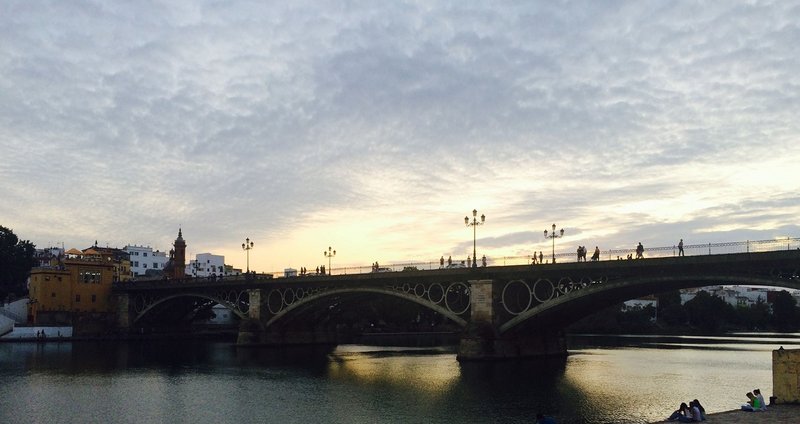 Sevilla
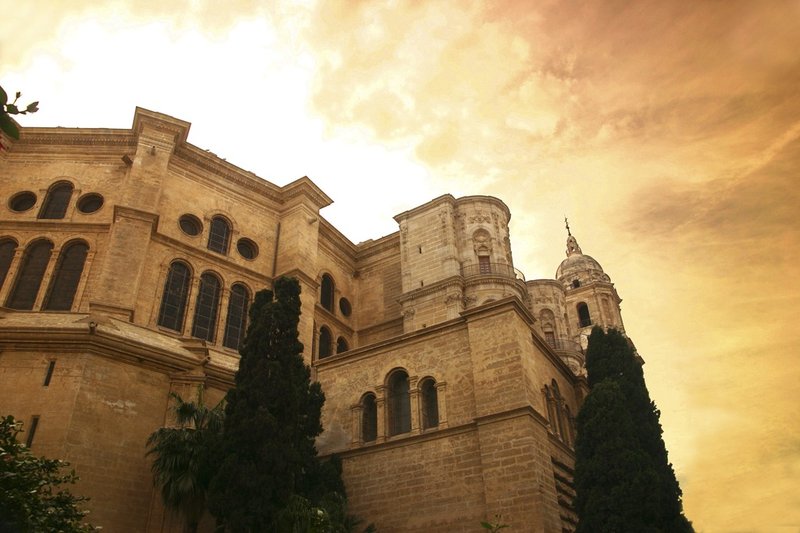 Málaga
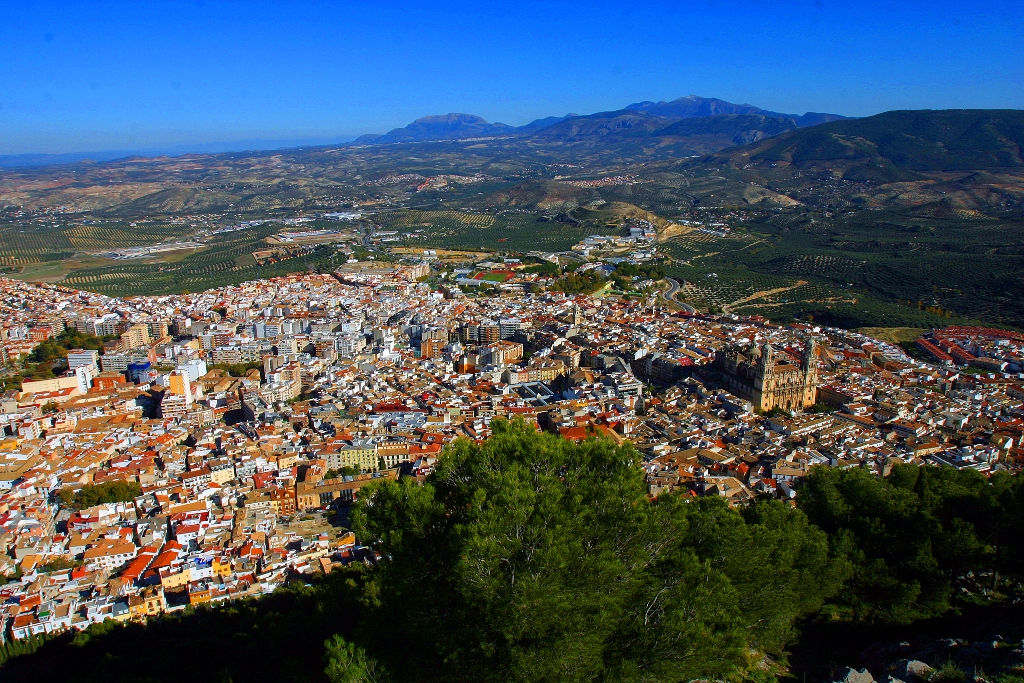 Jaen
Jaen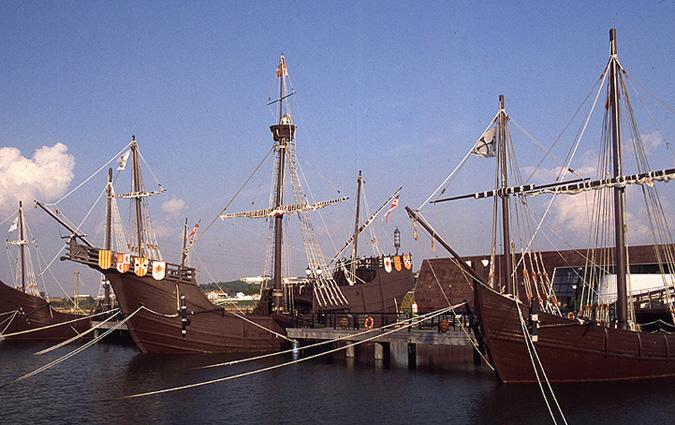 Huelva
 Granada
 Córdoba
 Cadiz
Cadiz Almeria
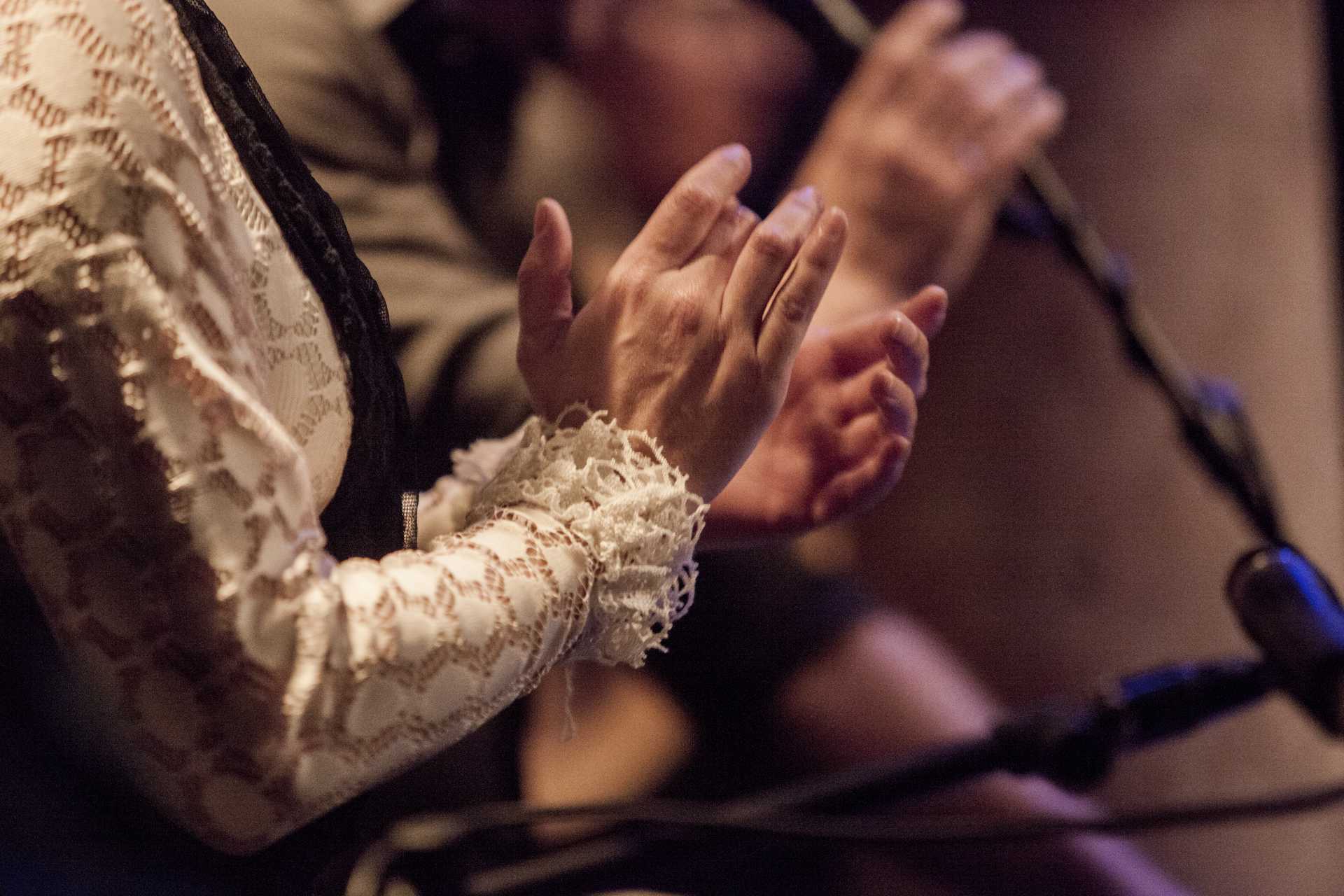 A tourist and cultural vision of flamenco
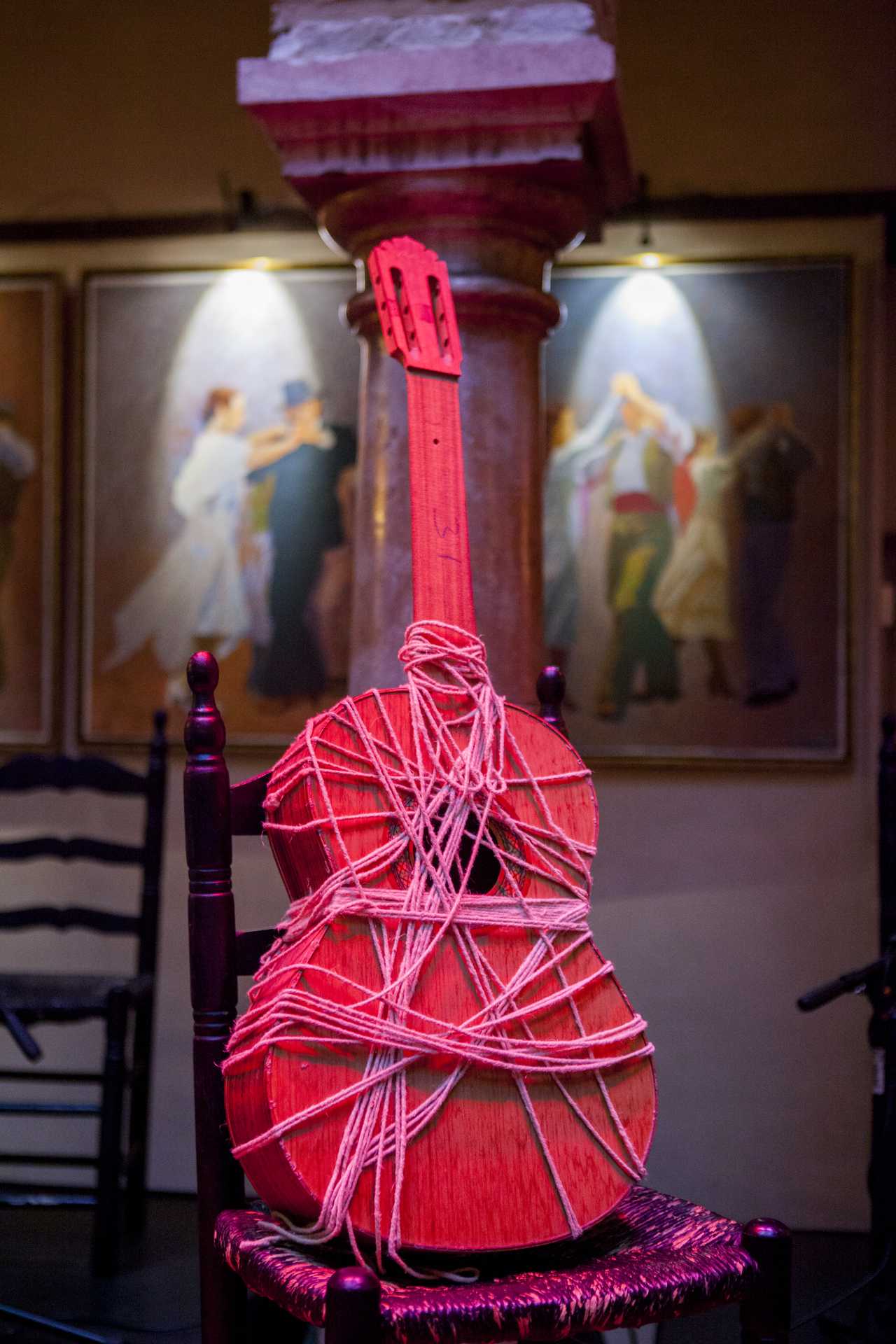 The Guitar, last to join.
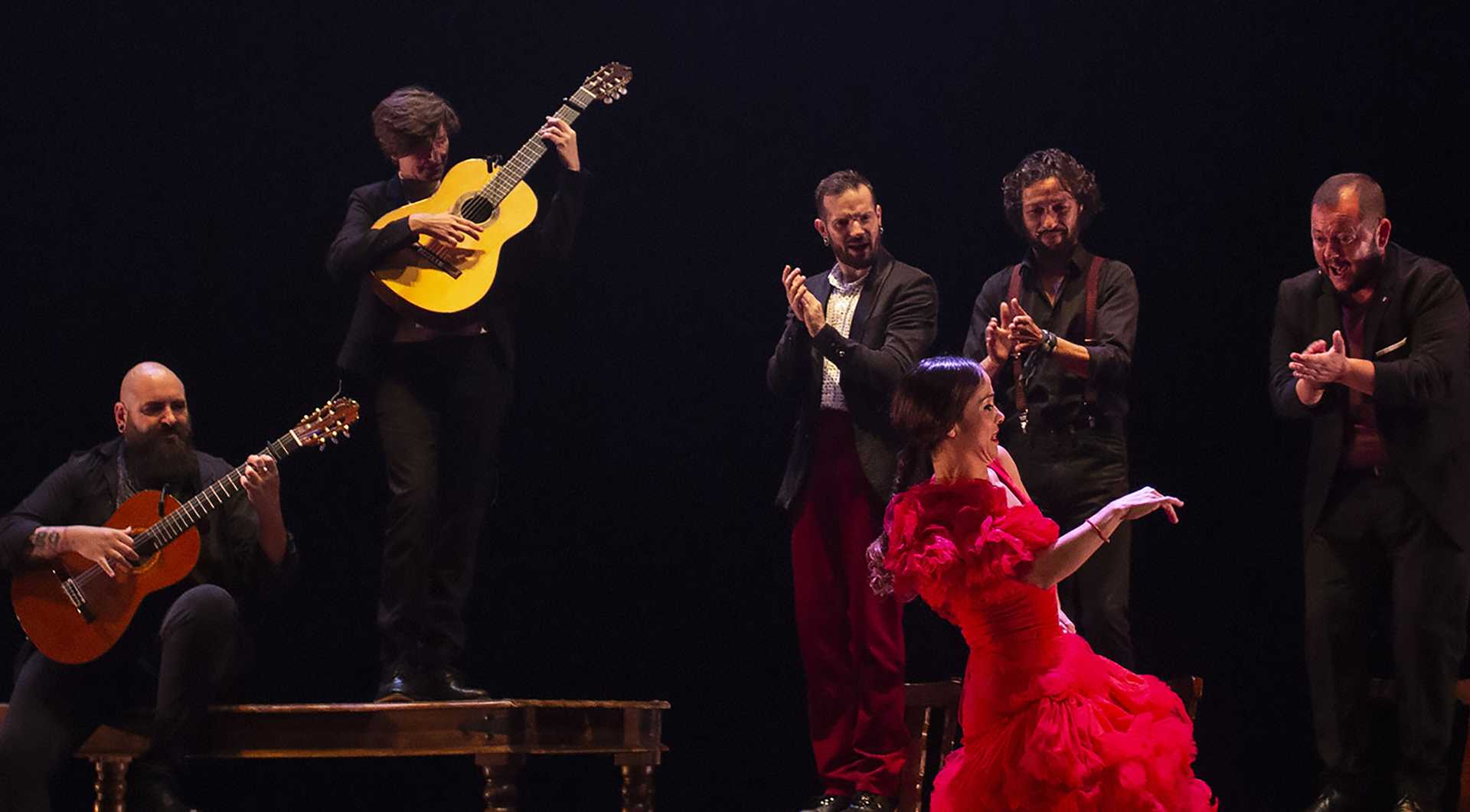 The history of flamenco with respect to its geographical distribution
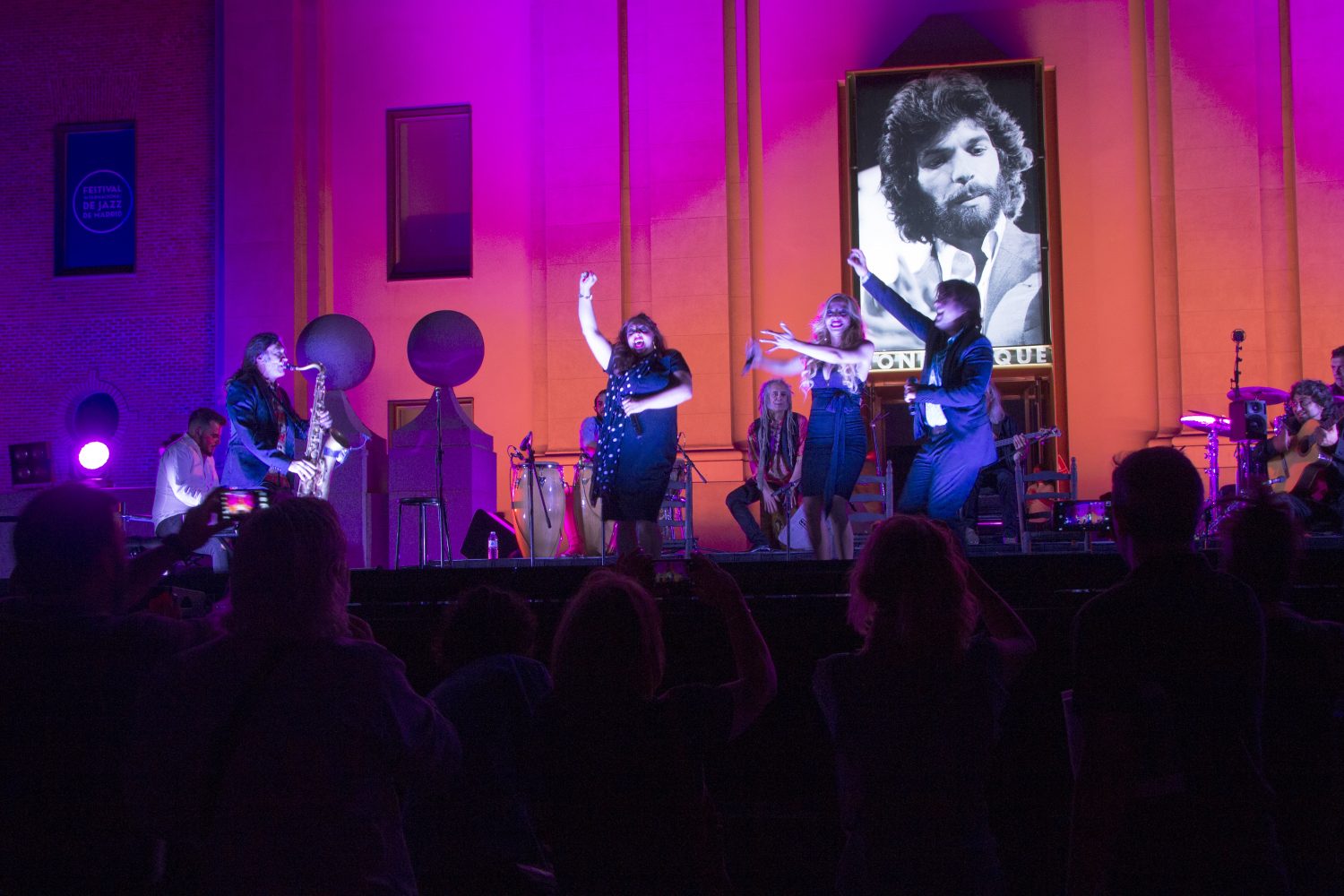 The present and future of the genre. The Fourth Golden Key of Singing.
 The festivals
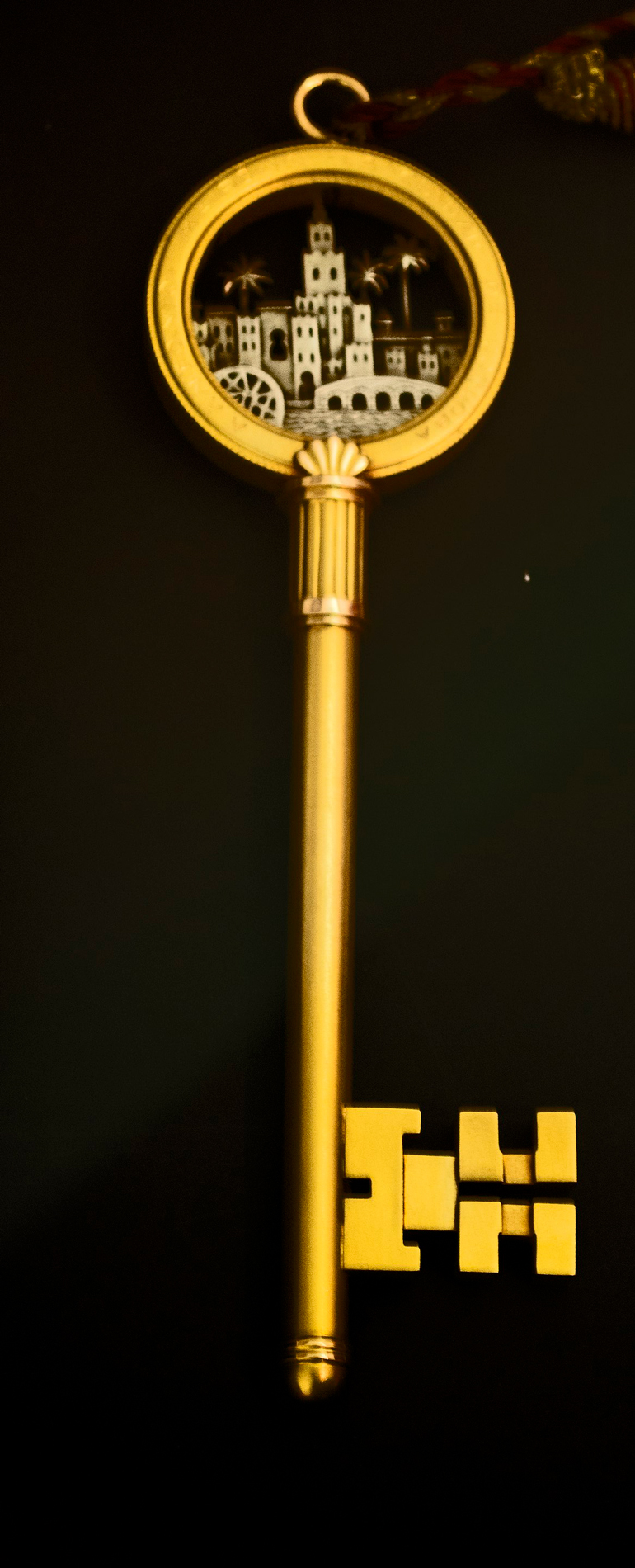 Revaluation of flamenco. Third Golden Key of Singing
 The Flamenco Opera
 Flamenco in Madrid. The Pavón Cup. Second Golden Key of Singing
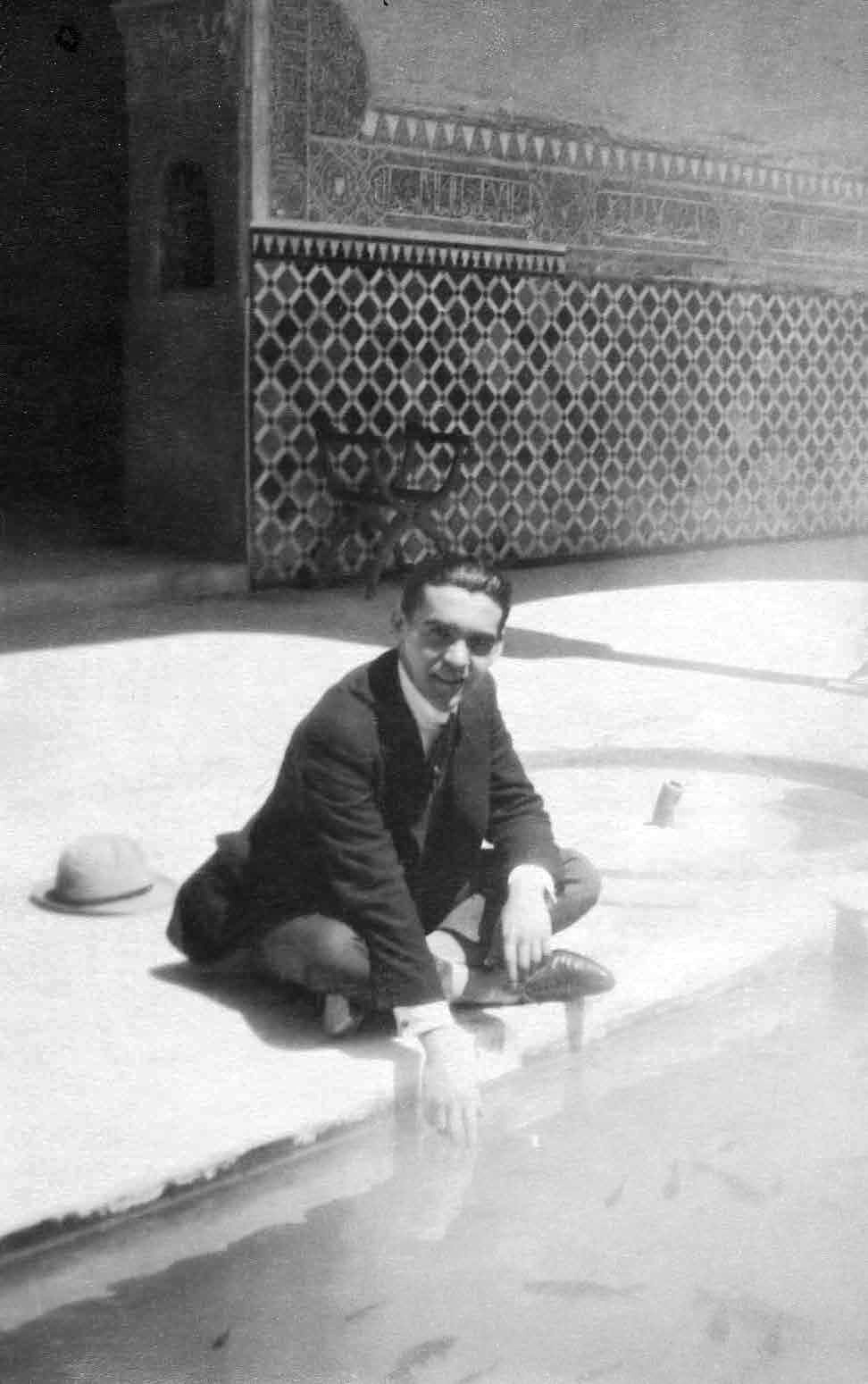 The contest that took place in 1922 in Granada
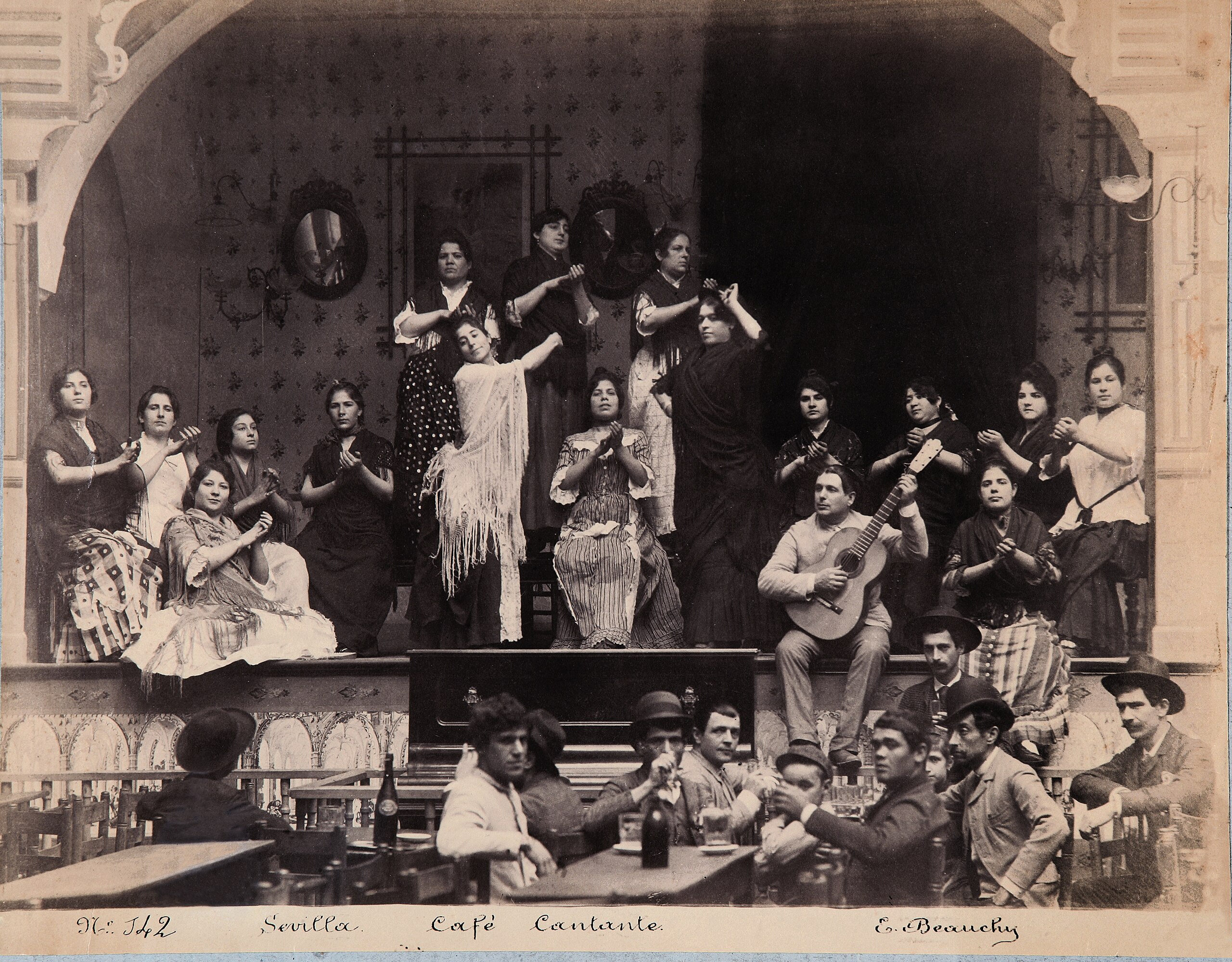 The great creators. The Golden Age. The Singing Cafes
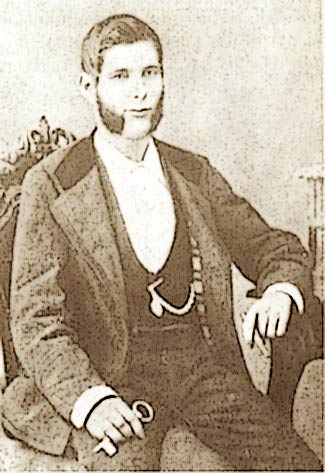 Evolution. Hermetic Stage. First singers
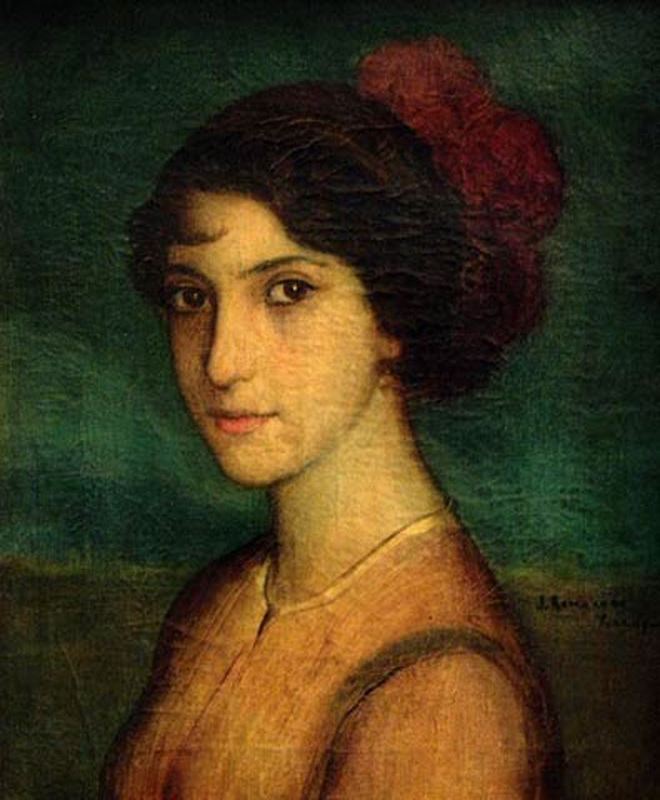 Origin of the word “flamenco”
 First written references
 Musical background