



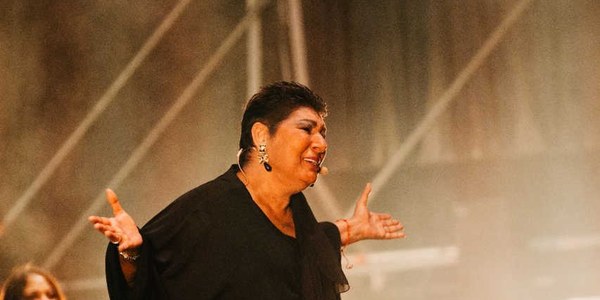
XXIV Flamenco Biennial
GYPSY WOMEN
Amaya Remedies, Montse Cortes and La Fabi
Sing: Amaya Remedies, Montse Cortés and La Fabi
Guitar: Josemi Carmona and Jose Serrano
Percussion: Israel Suárez “Piranha”
Low: Alvaro Llanos
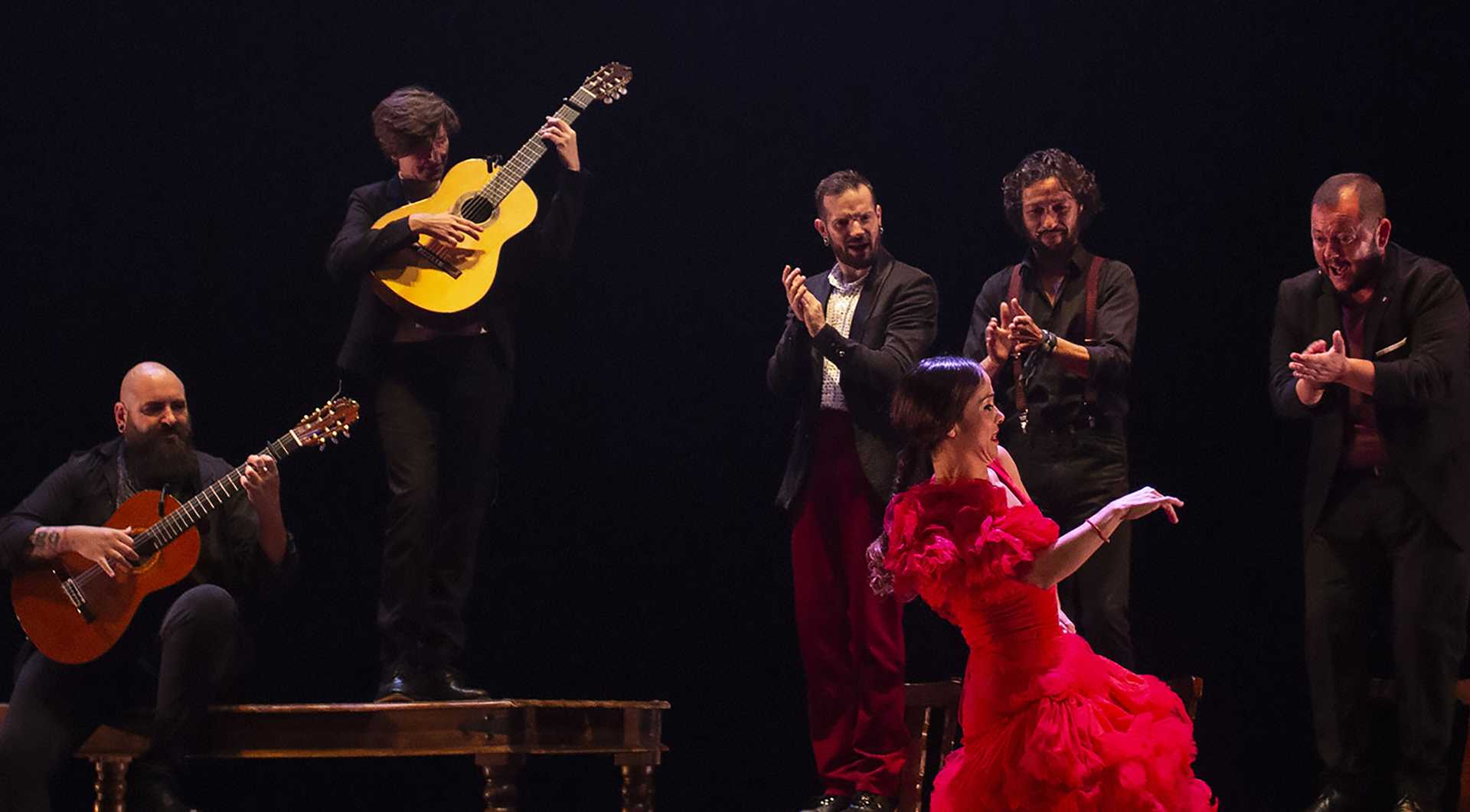
Choirs and clapping: The Cherokee
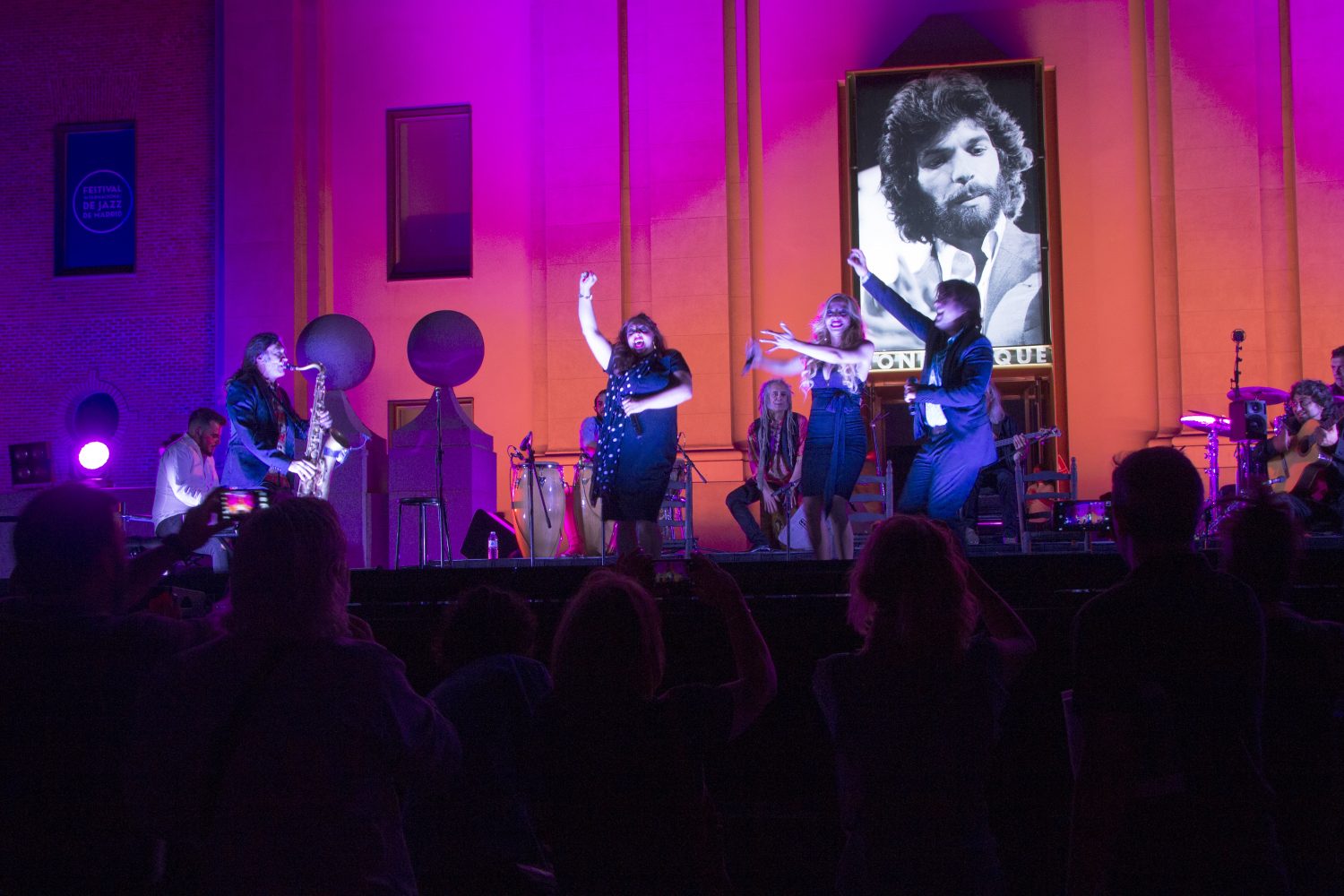
gypsy women It is a proposal that arises from the flamenco musical The truth hurts, project conceived with the objective of recovering what was lost, flamenco without additives. With the woman as the protagonist, The show proposes an emotional journey that breaks the mold and returns flamenco to its most naked essence..
To achieve the proposed objectives, It has the participation of artists who have flamenco in their DNA, who have acquired their knowledge in a very experiential and familiar way, because they have lived with him since the cradle, which allows them a very natural and unique way of interpreting it. Artists like Remedios Amaya, Montse Cortés, The Fabi, Josemi Carmona, José Serrano or the “Piranha”.
And at all times, living up to the title, showing the importance of women in the process of learning and transmitting this very unique and authentic conception of an artistic expression, in this case of flamenco.
gypsy women, besides, acquires unique characteristics when presented in a space like the Hotel Triana, in which, definitely, will be displayed in unique condition, by going on a stage inherent to the conception of flamenco that wants to recover the musical.
Thursday 17 September 2026 – Triana Hotel: 23:00 hours
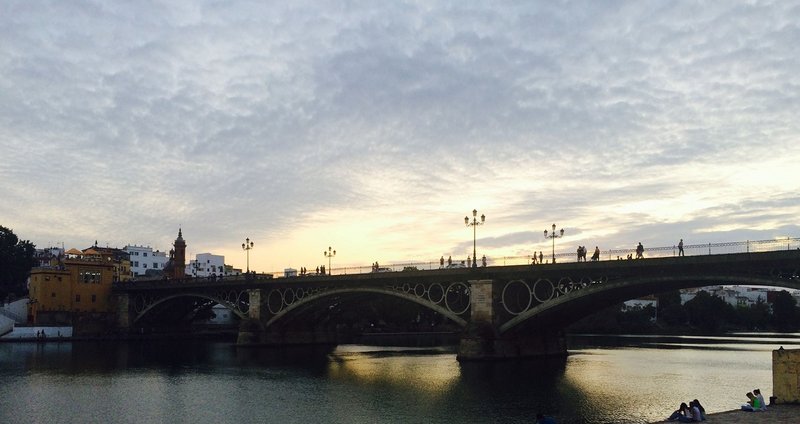 Sevilla
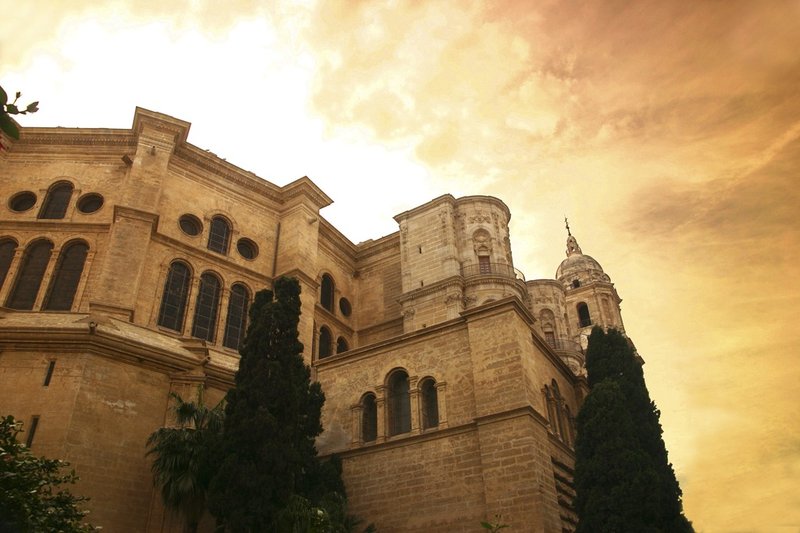 Málaga
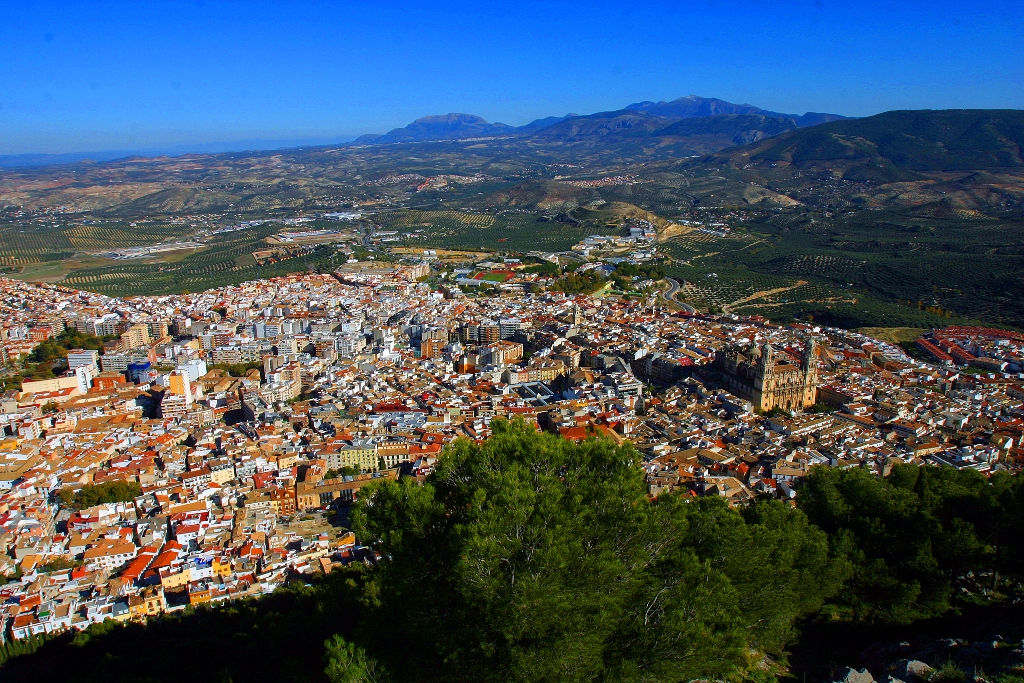 Jaen
Jaen Huelva
 Granada
 Córdoba
 Cadiz
Cadiz Almeria
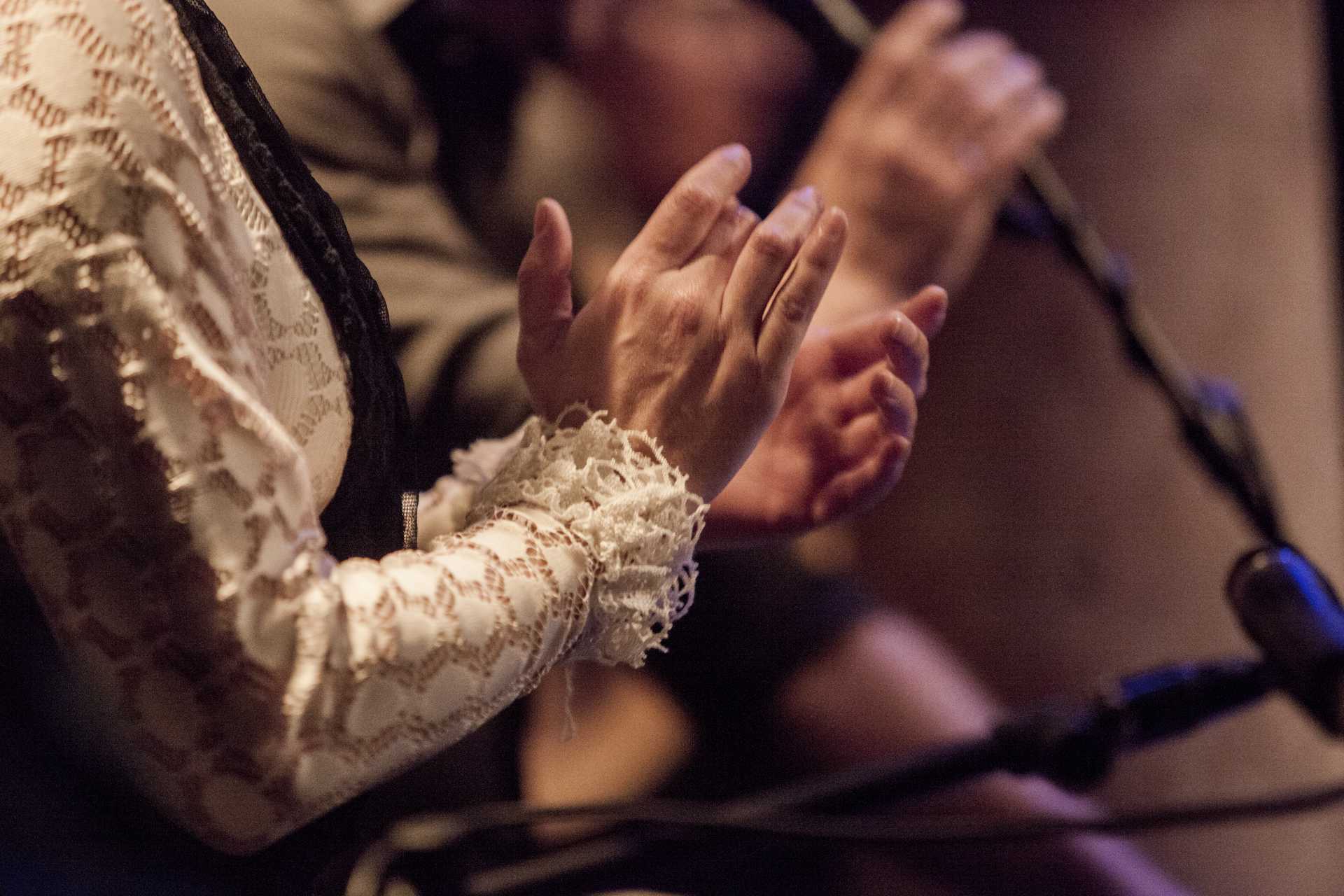 A tourist and cultural vision of flamenco
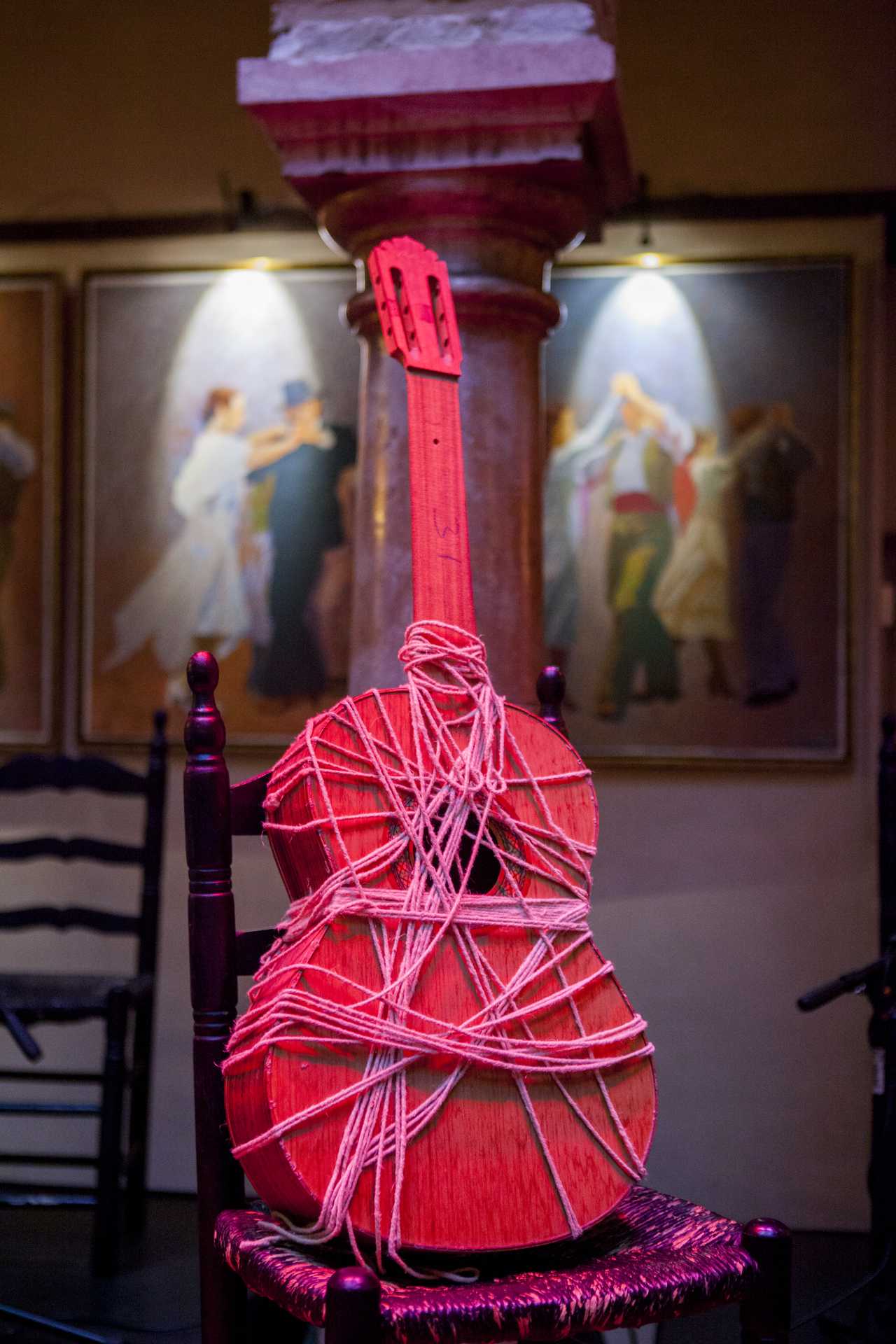 The Guitar, last to join.
 The history of flamenco with respect to its geographical distribution
 The present and future of the genre. The Fourth Golden Key of Singing.
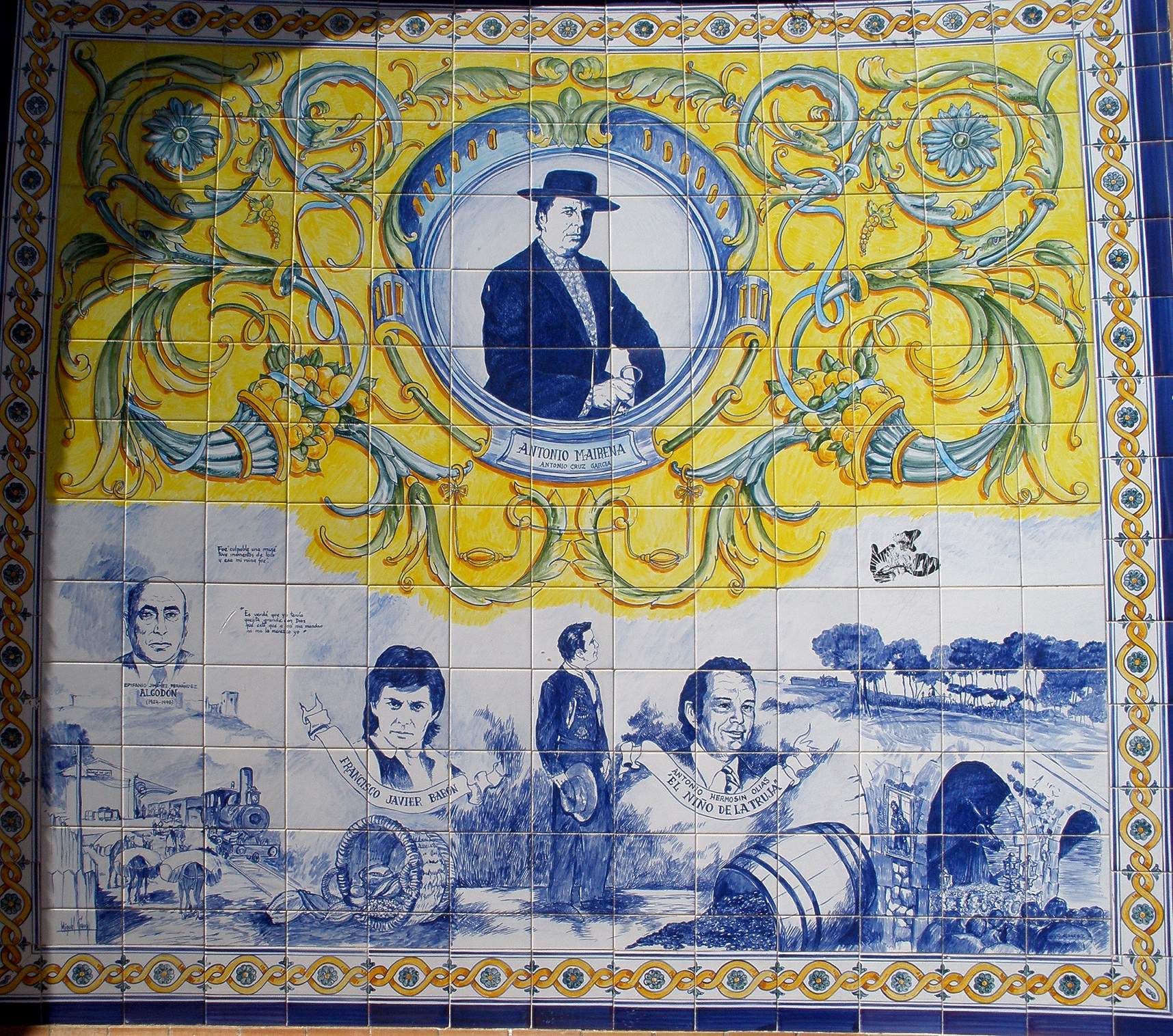 The festivals
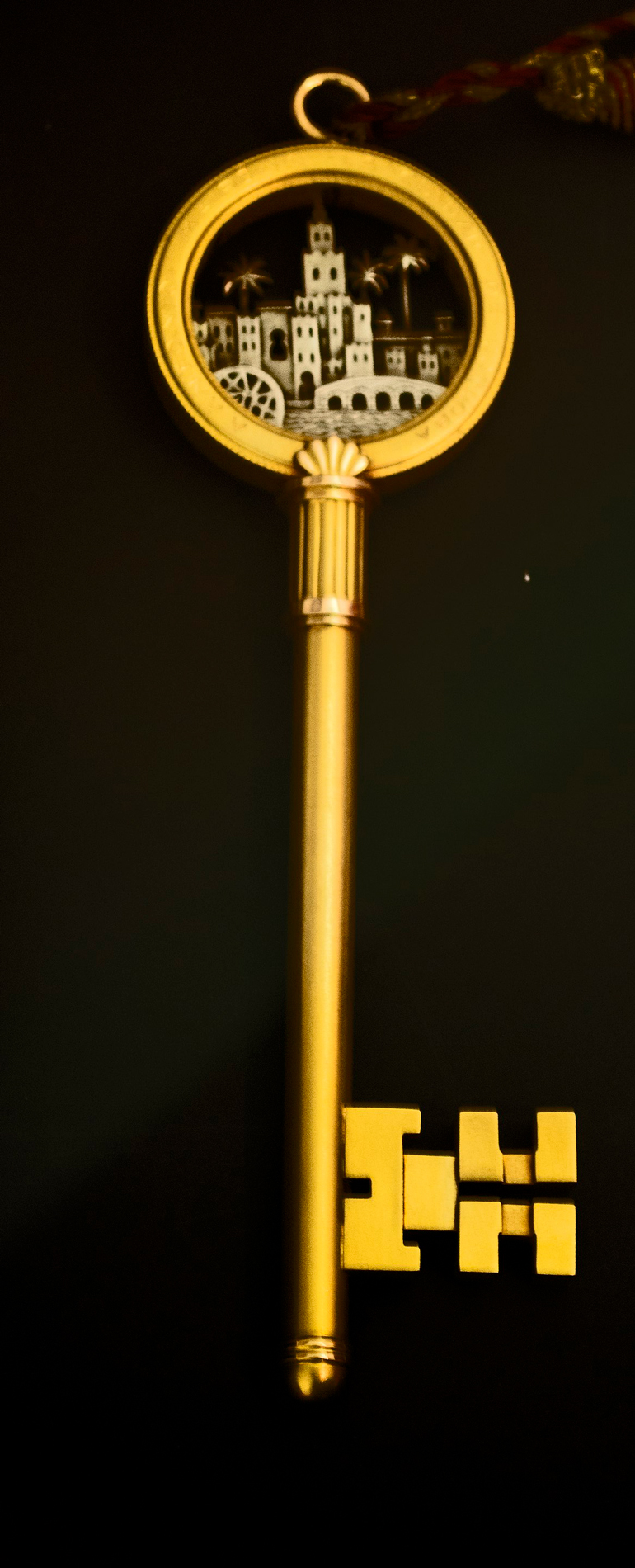 Revaluation of flamenco. Third Golden Key of Singing
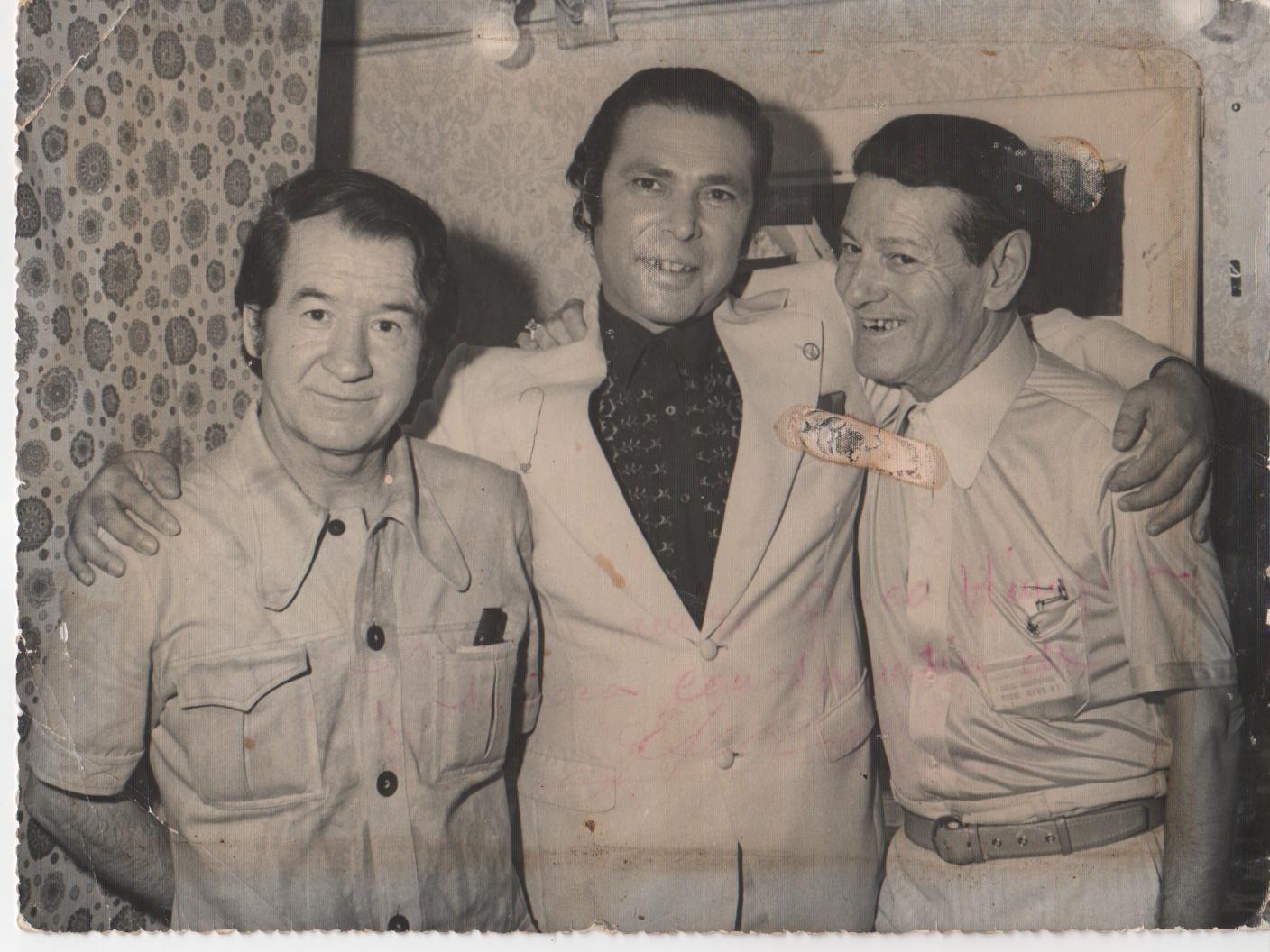 The Flamenco Opera
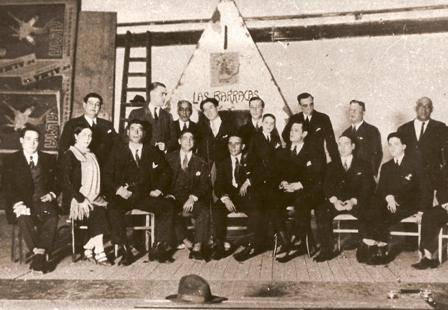 Flamenco in Madrid. The Pavón Cup. Second Golden Key of Singing
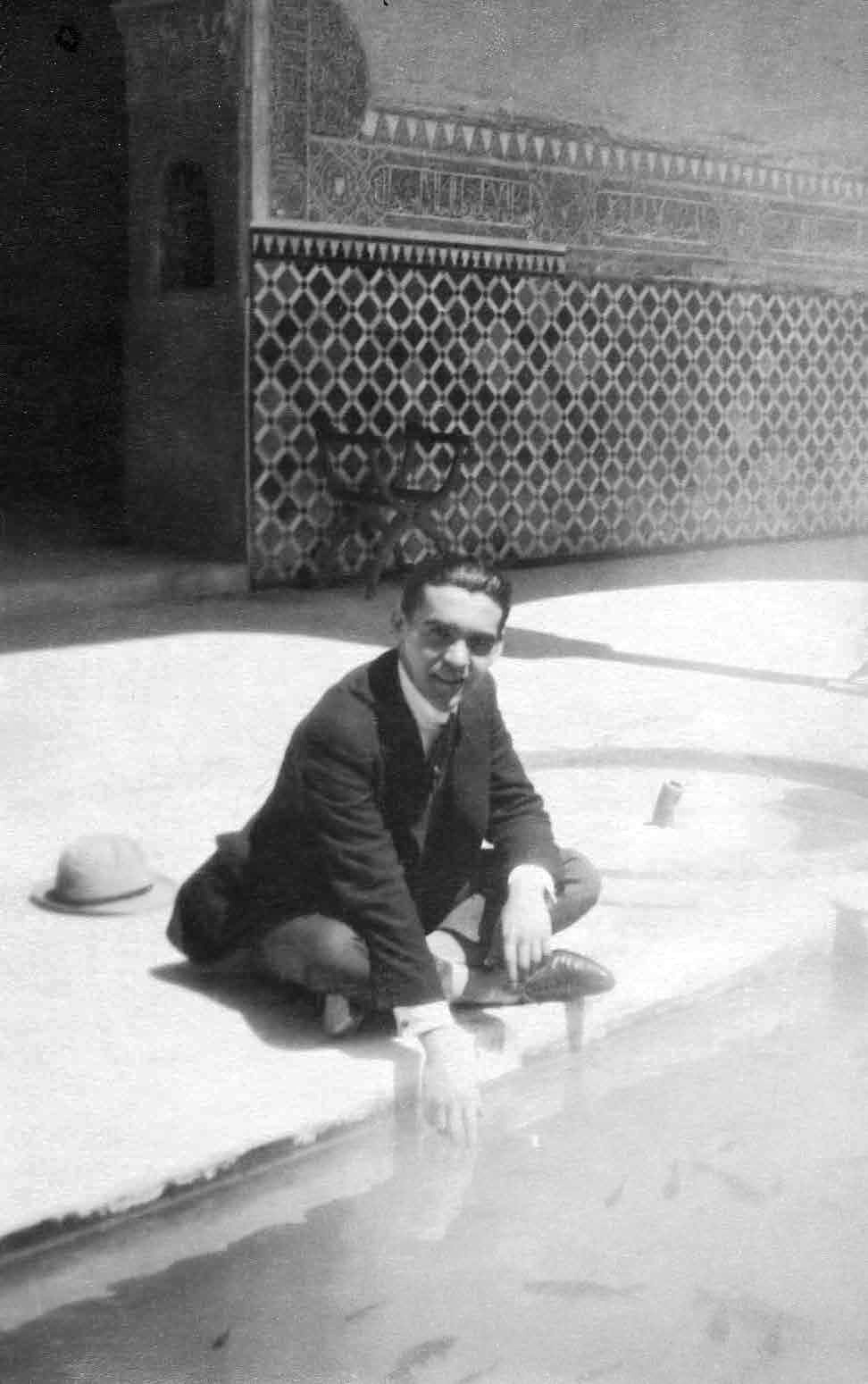 The contest that took place in 1922 in Granada
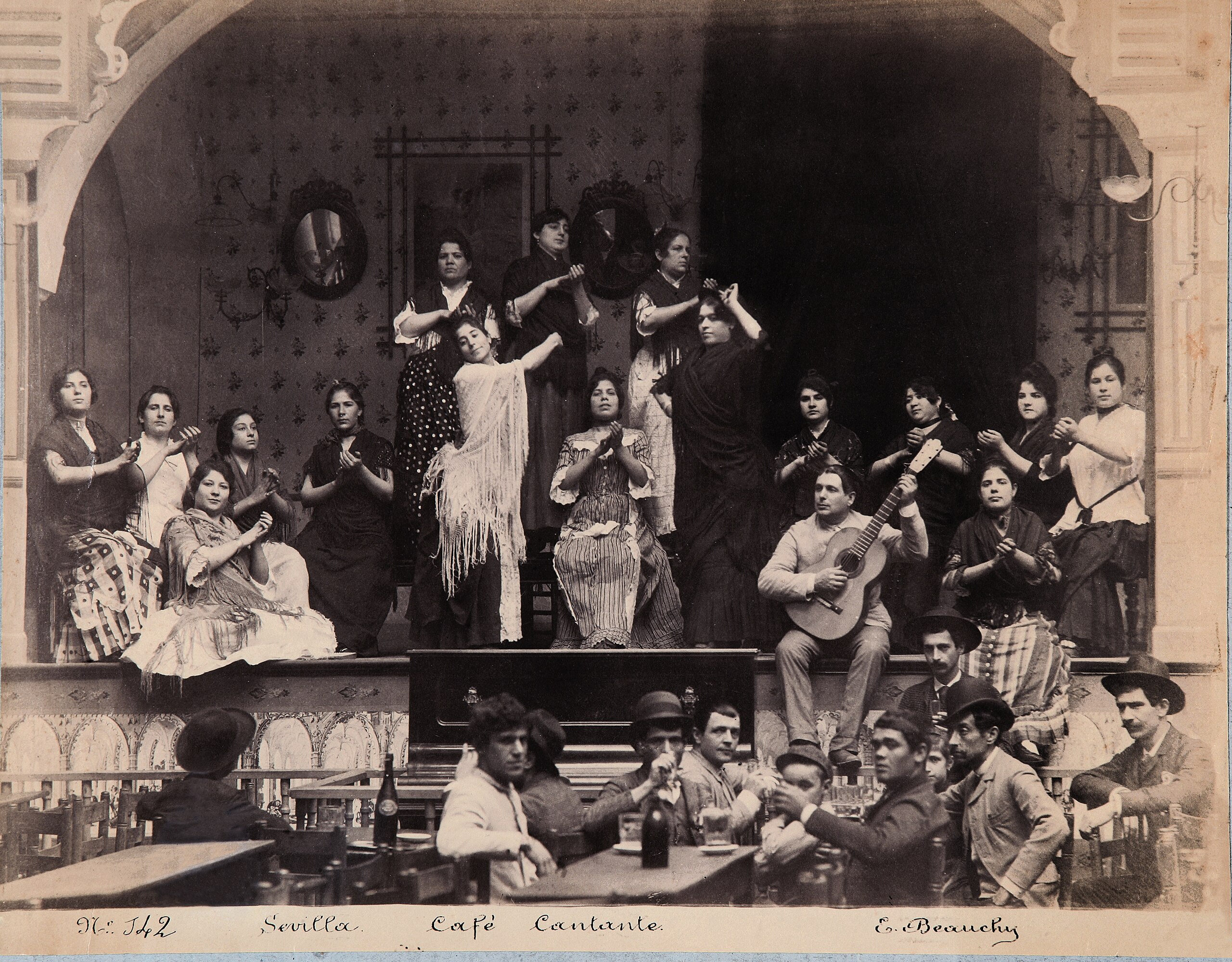 The great creators. The Golden Age. The Singing Cafes
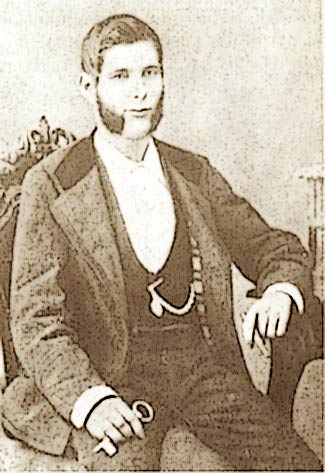 Evolution. Hermetic Stage. First singers
 Origin of the word “flamenco”
 First written references
 Musical background