



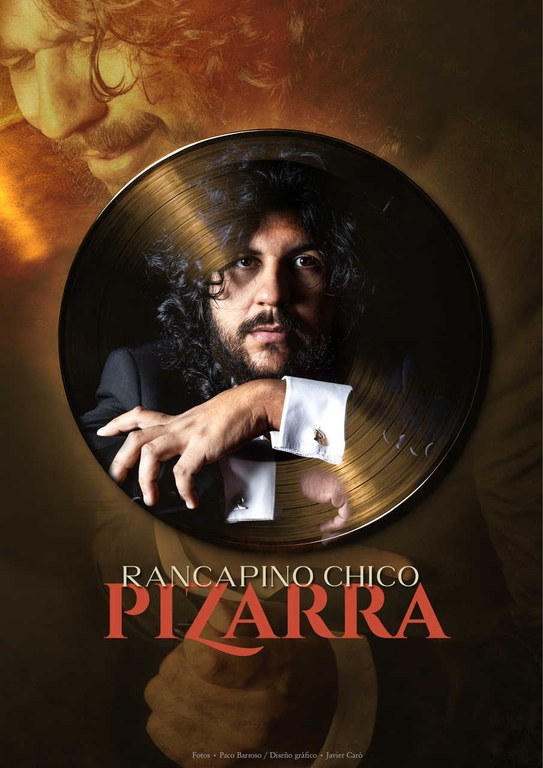
XXIV Flamenco Biennial
RANCAPINO BOY
Board
Sing: Rancapino Chico
Guitar: Antonio Higuero
Clapping and cheers: Edu Gómez and Naim Real
The slate flamenco discography is a treasure. An “old testament of sound” where the singing and playing were recorded for posterity
its original form. Three minutes to end the oral tradition that has existed for centuries. Technology finally allowed the genie to be locked inside the lamp, stealing the freedom to be born every day, but ensuring its survival for eternity in its original state.
All the great contemporary masters without exception have studied these songs in depth and have “drinked in” their most representative artists.: Don Antonio Chacón, Manuel Torre, Scene, The lame man of Malaga, Cayetano Muriel, The Owl, The Girl with the Combs… And with that primitive clay they modeled their own work. The slate is the foundation of any solid career in this art.
Alonso Rancapino has reached the point of maturity necessary to understand the value of tradition and has dedicated himself body and soul to deciphering the codes of old cante: You want to quench your thirst for knowledge without intermediaries, drinking directly from the spring where the deep springs, in a decided commitment to singing in its purest form. For that alone he deserves the first “Ole” of Seville.
In his voice of estuary and shadow, the song will become flesh and will live among us. Echoes of a glorious and wild past, when being a singer meant playing with just one card, dedicate yourself body and soul to a religion with its own rituals and become almost an outlaw.
Pizarra is an allegation to the origin, to that way of playing, to sing and feel flamenco. The commitment of a singer who wants to grow in the opposite direction to that of the majority, not up, but in its roots. Only in this way does the tree remain firm and Rancapino Chico, which for me is very big, he knows it.
Juan Valderrama
Alonso Núñez Fernández “Rancapino Chico” (Chiclana de la Frontera, Cadiz. 1988) belongs to a family with extensive flamenco roots: He is the son of the great singer Alonso Núñez Núñez «Rancapino», and Juana Fernández Núñez, nephew of Orillo del Puerto and great-grandson of the Bishop. According to his father, “the boy hummed the songs before starting to speak”.
Con 6 years he appeared in the Children's program I see, I see, by Canal Sur, where he won first prize in the Revelation section, being sponsored at the award ceremony by Antonio Fernández Díaz “Fosforito”. From that moment, His presence on stage has been constant, sharing the bill with artists of the stature of Chato de la Isla, Chocolate or Lebrijano. He debuted at the Falla Theater in Cádiz, accompanied on guitar by Paco Cepero, together with Chano Lobato, Juan Villar and his father Rancapino, among others.
Con 10 years he participated in Juan Habichuela's tribute album, Campo of the Prince, in which a wide cast of leading flamenco figures also collaborated. After his intervention in numerous television programs, con 22 years he won first prize in the Peña Flamenca Amigos del Cante contest, from Chiclana.
With his father, They presented the show at the Modern Theater of Chiclana Yesterday and Today, obtaining critical success that reaffirmed, already alone with Art and Purity, in which, with the dancer Claudia Cruz, offered a tribute to Manolo Caracol and Lola Flores. Considered a promise of the purest flamenco and heir to the songs of Cádiz, among its references are La Perla de Cádiz, Henry the Twin, Juan Talega or Paco Toronjo, without forgetting what your family school provides, as Manolo Caracol, Antonio de la Calzá, Shrimp, Aurelio Sellé or Juanito Valderrama, with whom he also got to share the stage.
From 2014 He is one of the most sought-after singers at major flamenco festivals.. In 2016, despite your youth, He received the Gypsy Culture Award in recognition of his career., in its Young Creators section.
In 2019 released his first album, For my love of art, recorded live at a party in which artists like Curro Romero participated, Pansequito, Juan Villar, Manuela Carrasco, Cristina Hoyos or José de la Tomasa, among others. That same year he received, with Manuela Carrasco, the New Compass of Cante.
Throughout his career, his songs have been accompanied by reference guitars such as those of Juan Habichuela., Moraito Chico, Tomatito, Quique Paredes or Antonnio Higuero, who has lately become his faithful squire.
Mars 15 September 2026 – Royal Alcazar: 21:30 hours
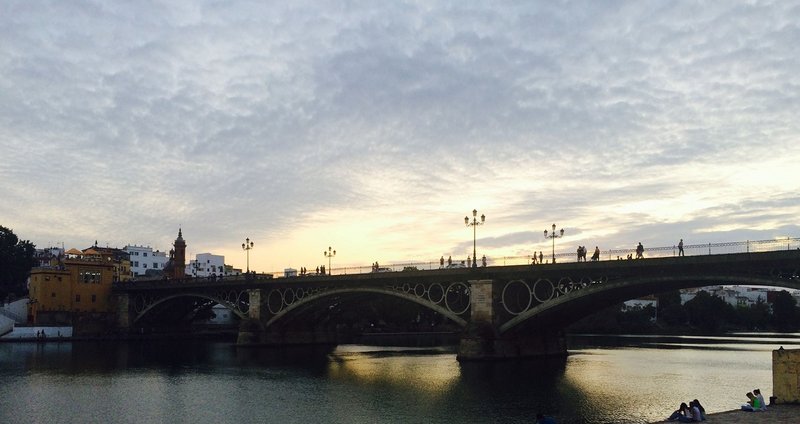 Sevilla
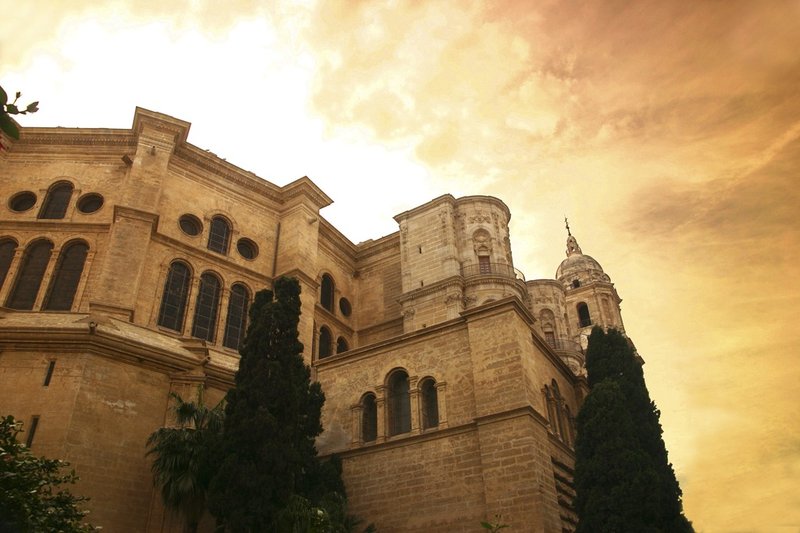 Málaga
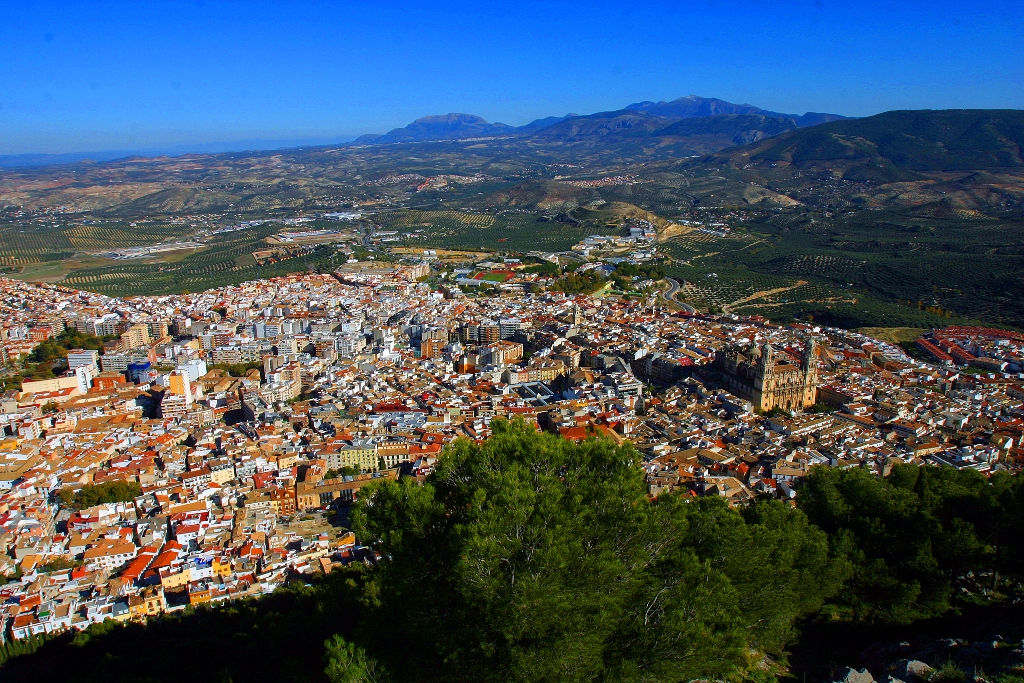 Jaen
Jaen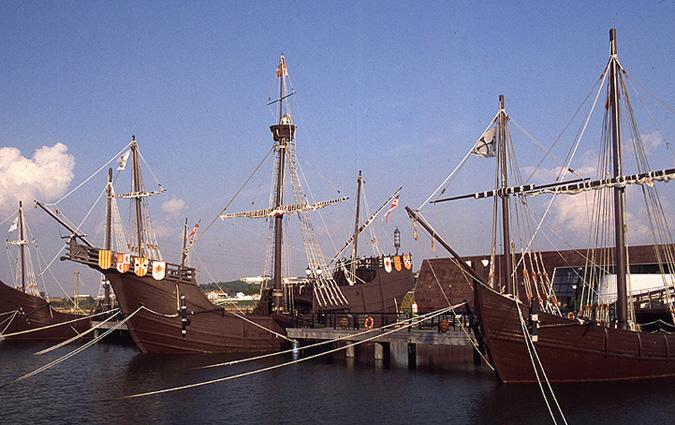 Huelva
 Granada
 Córdoba
 Cadiz
Cadiz Almeria
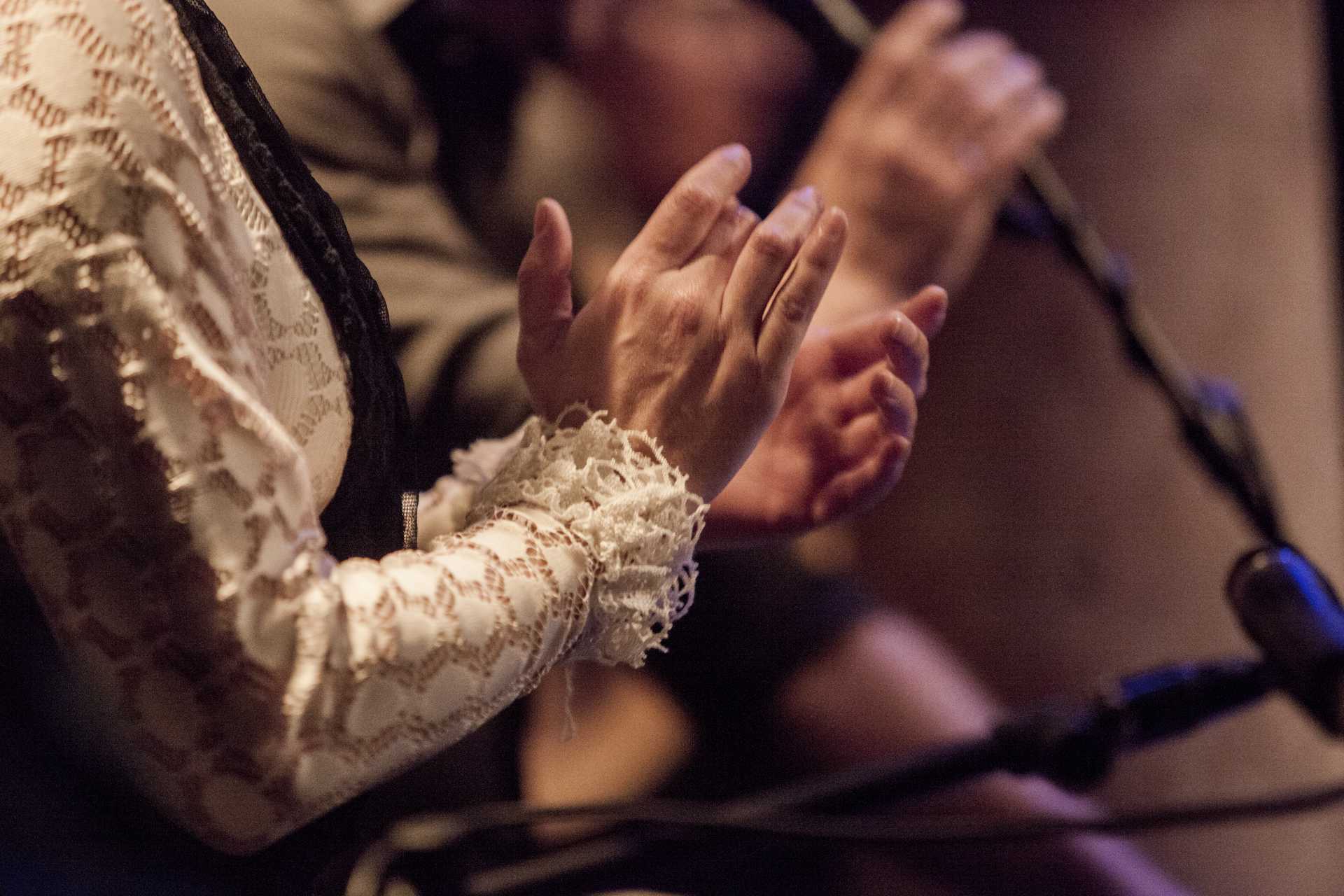 A tourist and cultural vision of flamenco
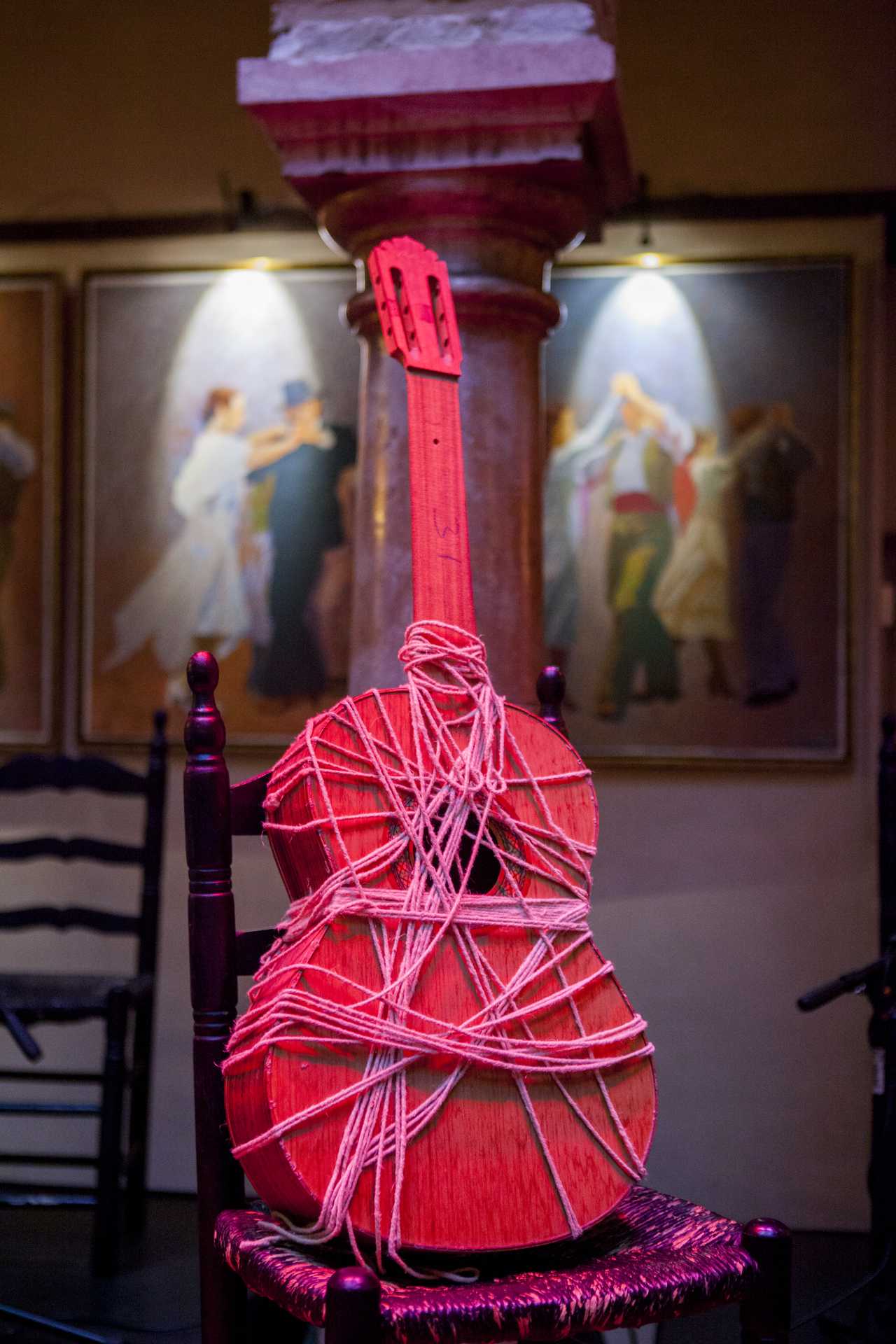 The Guitar, last to join.
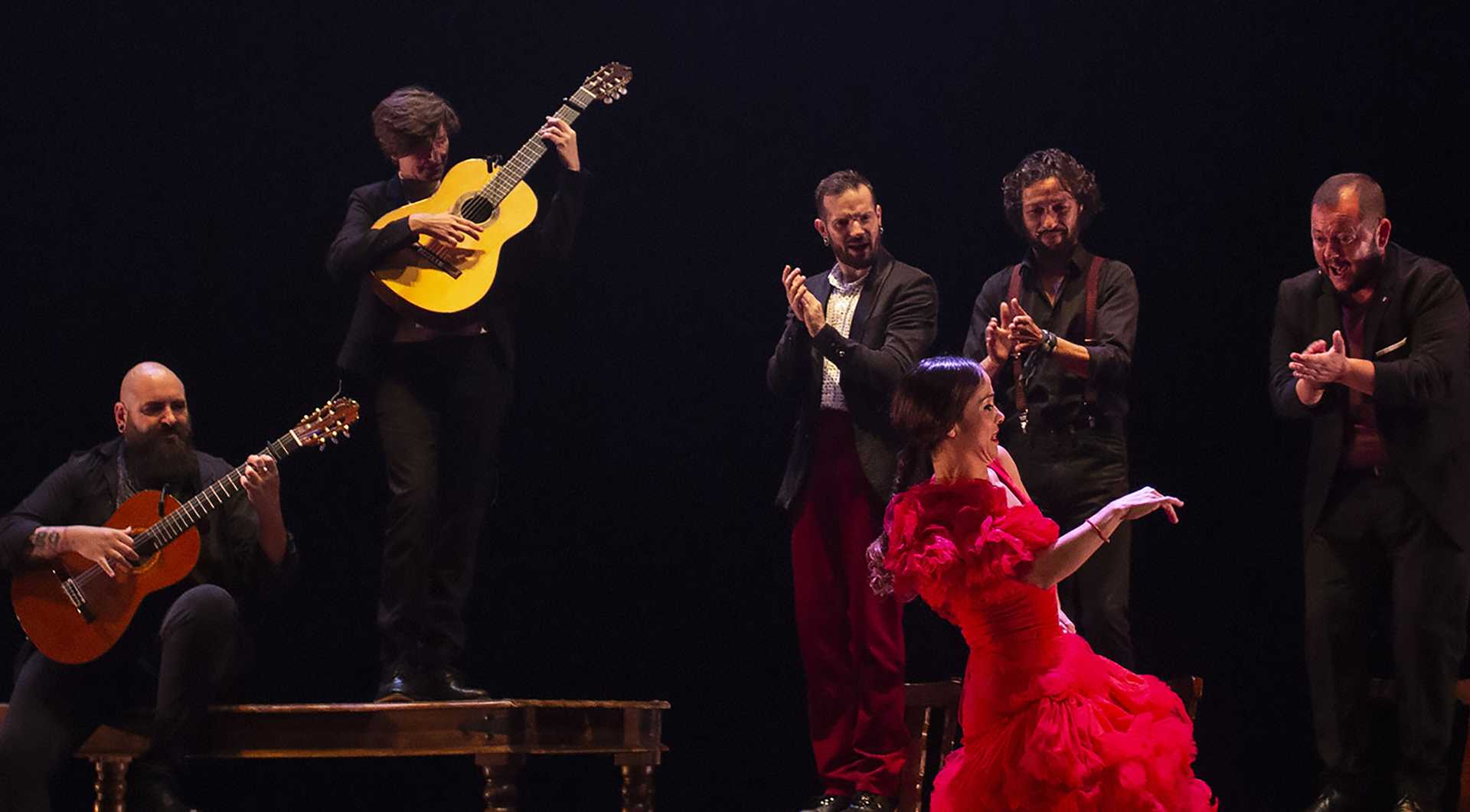 The history of flamenco with respect to its geographical distribution
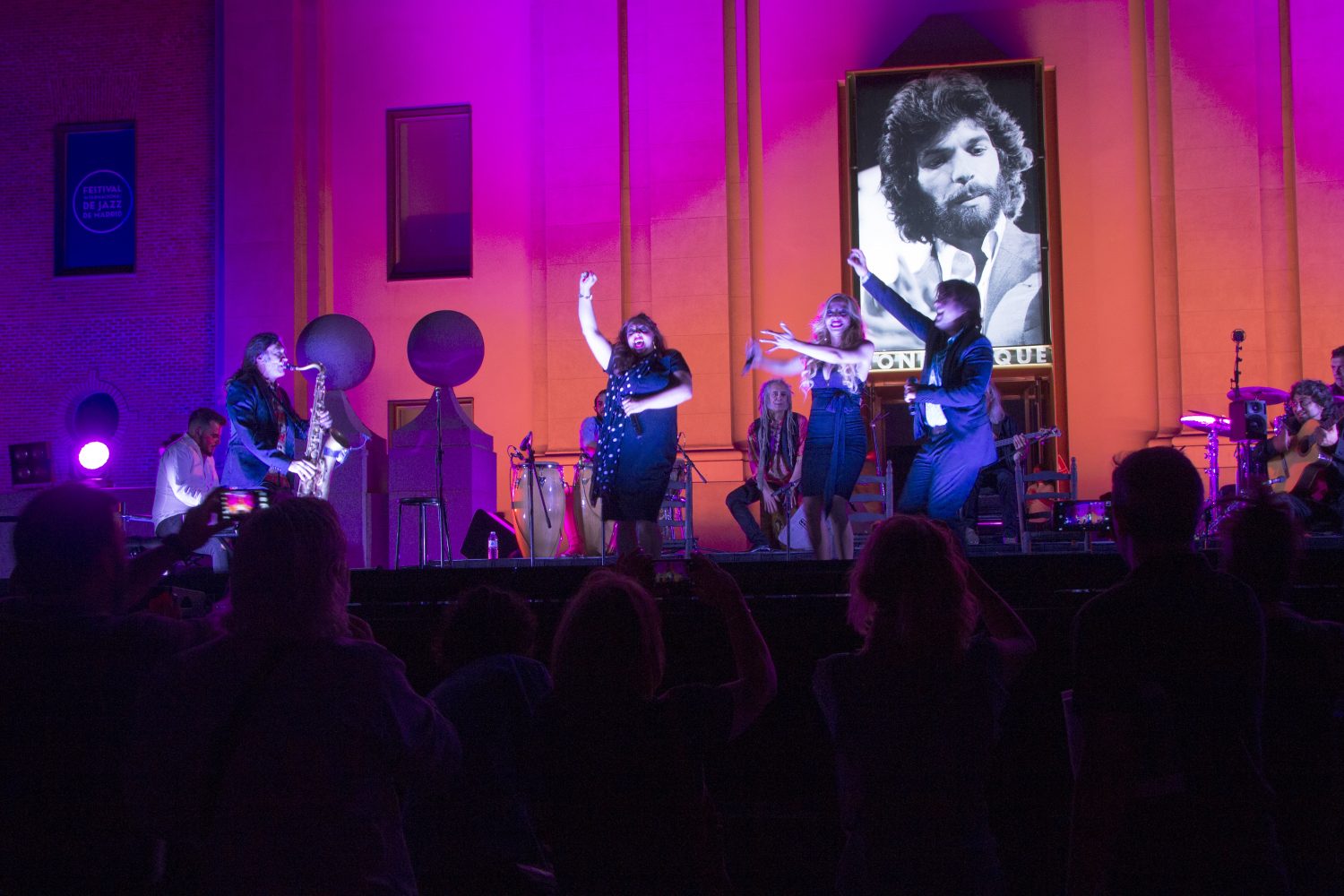 The present and future of the genre. The Fourth Golden Key of Singing.
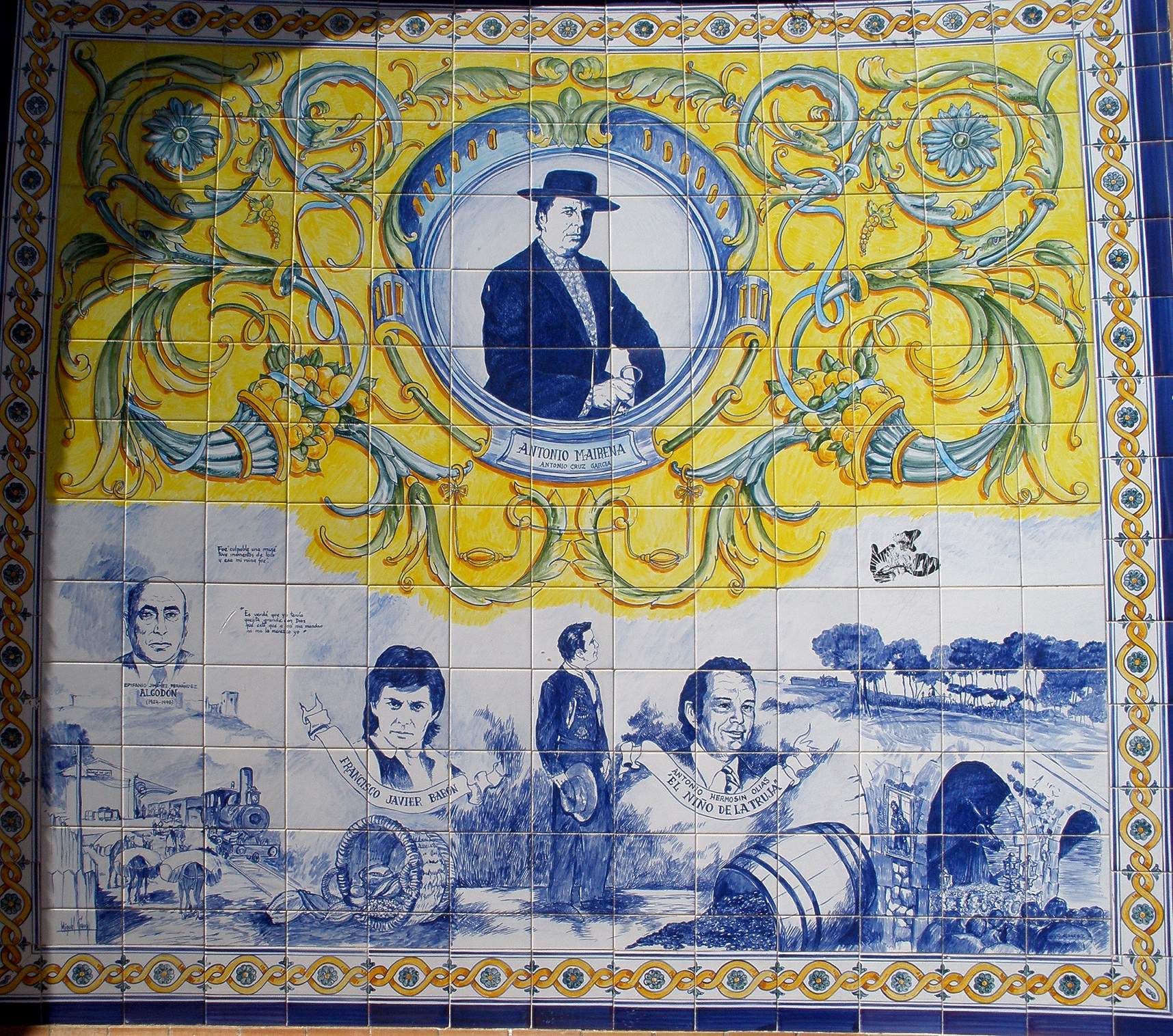 The festivals
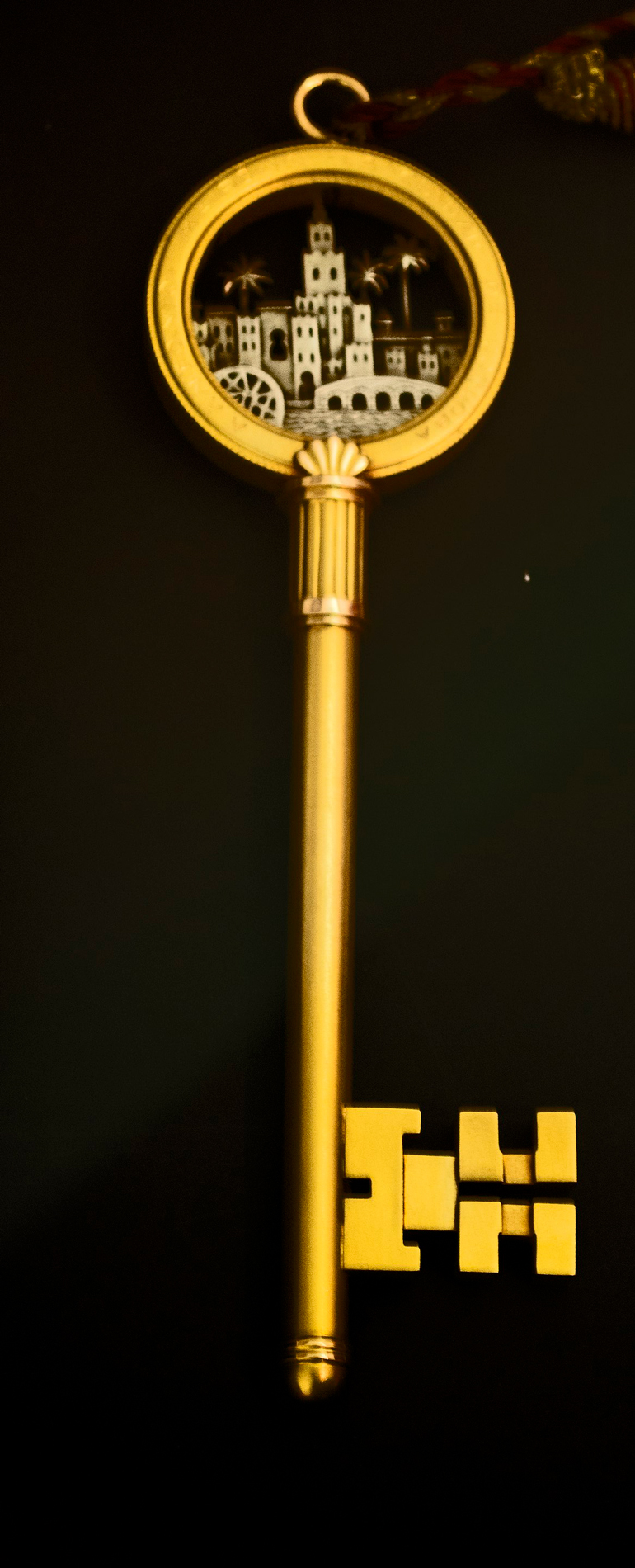 Revaluation of flamenco. Third Golden Key of Singing
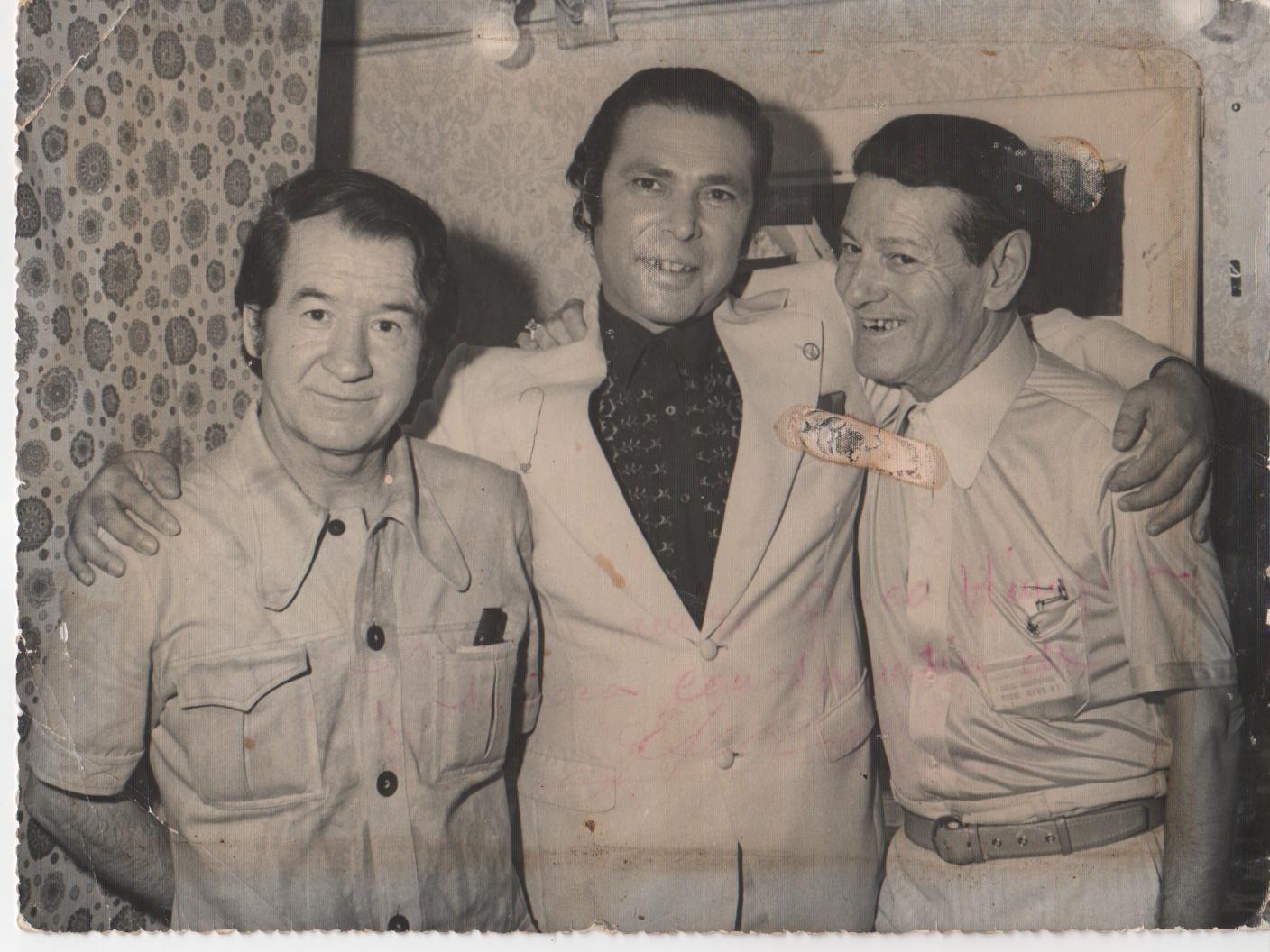 The Flamenco Opera
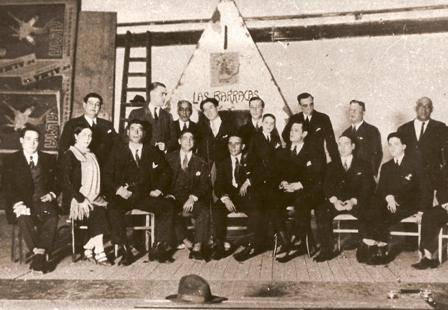 Flamenco in Madrid. The Pavón Cup. Second Golden Key of Singing
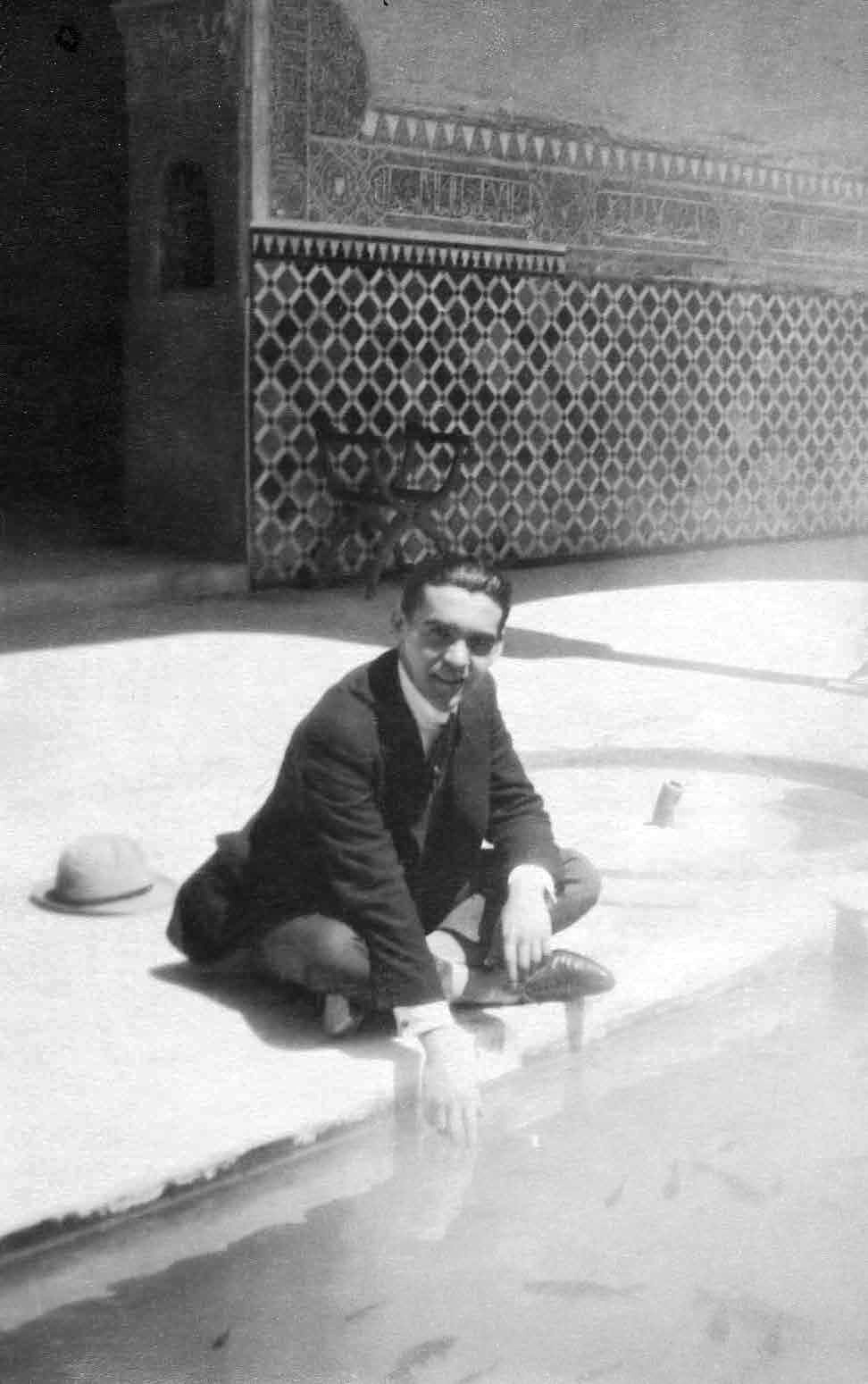 The contest that took place in 1922 in Granada
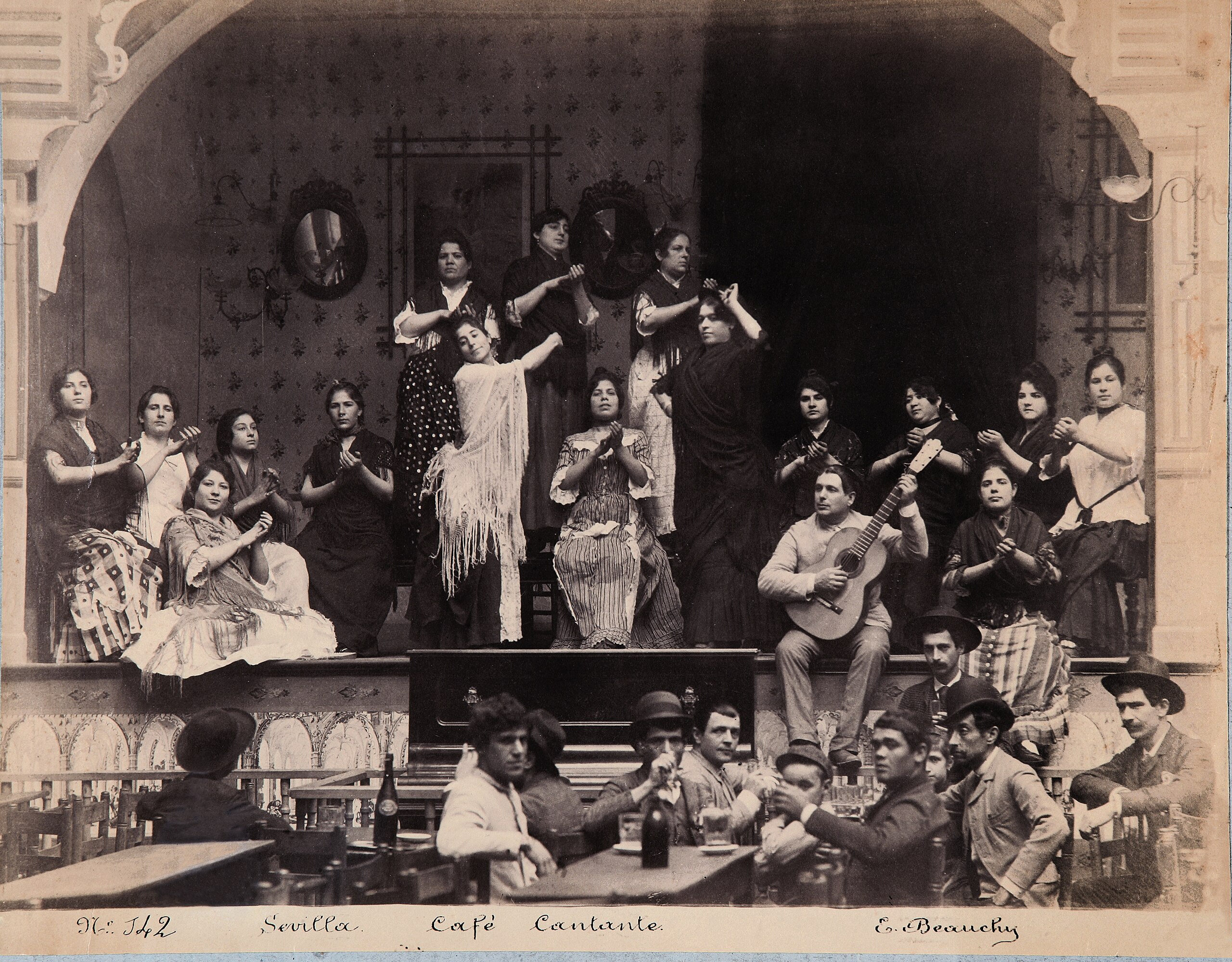 The great creators. The Golden Age. The Singing Cafes
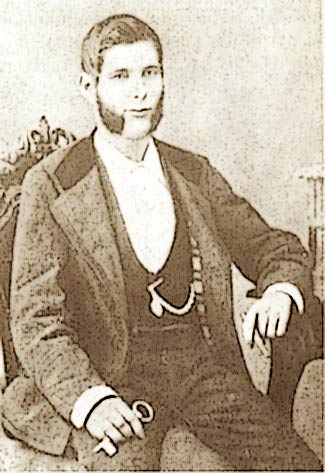 Evolution. Hermetic Stage. First singers
 Origin of the word “flamenco”
 First written references
 Musical background