



XXIV Flamenco Biennial
The idea of making a trilogy did not arise from the first moment.
After five albums dedicated to my compositions of what we could define Jazz Flamenco, the need arose to make a covers album. My career having been so closely linked to maestro Gerardo Núñez, The idea of making versions of compositions for the flamenco guitar arose naturally., but without flamenco guitar. Form a trio with an improvising pianist and a flamenco percussionist. And my two most obvious accomplices were undoubtedly Moisés Sánchez, on piano and Paquito González on percussion.
For my next album, I decided to arrange my own songs and invite my friend, the Jerez singer David Carpio, to sing on some songs.. At first the idea was to invite David on a couple of topics, but after some concerts and recording some songs I saw clearly that I had to delve deeper into the idea of integrating David's singing with my songs., and the name of “Al cante” emerged immediately.
These two projects are based on a vision of flamenco, from a trio more associated with jazz. Do “To the dance ” At first it seemed almost like a joke., but the idea of treating the three pillars of flamenco from this Trio more identified with jazz and doing so, a trilogy was very tempting. ” To the touch “, ” To the singing” and “To the dancing”” They are a vision of flamenco from a format that I know and that gives me freedom and confidence to approach this musical form., that I respect so much and that it has taught me so much: the flamenco.
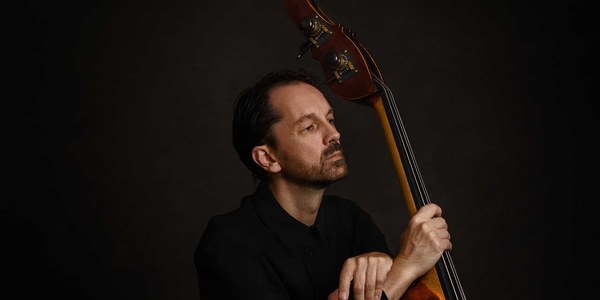
Pablo Martin Caminero
Pablo Martin Caminero (Vitoria-Gasteiz) ends in 1999 his classical double bass studies at the Vienna Higher School of Music and moved to Madrid, where he began his professional career as an interpreter, compositor, arranger and producer.
The diversity of musical styles in which he moves has allowed him to participate in jazz projects, flamenco or early music, and collaborate with a wide spectrum of artists: Jorge Pardo, Gerardo Nunez, Dhafer Youssef, Chano Dominguez, “Boy Josele”, Rocio Molina, Enrike Solinís, Rosary “La Tremendita” or Hippocampus.
His versatility as a performer and composer is also reflected in works such as film soundtracks. (“Guadalquivir” 2013, “The Plan” 2020, etc.) or his authorship of music for advertising campaigns.
He has released seven solo albums: “Domestic” (BOST, 2005), “The Wayfarer” (BOST, 2011), “O.F.N.I.” (BOST, 2014), “Jump into the void” (BOST, 2016), “Bost” (BOST, 2020), “To the Touch” (KARONTE, 2021) and “Al Cante” (KARONTE, 2025). He is currently working on a new record project: “51”.
From 2016 He has collaborated on several projects with the choreographer Antonio Ruz: the 'Double Bach' show, in which he performs two suites by J.S.. Bach en pizzicato; the symphonic composition of “Electra”, for the National Ballet of Spain; y la score of "Into Paradise", for the National Dance Company.
From 2022 He is the musical director of the show “Soleá” by the dancer María Moreno and in 2023 began his collaboration with the prestigious NDR Big Band from Hamburg, both in their concert schedule and in view of the publication of an album (planned for 2026) with songs from his repertoire arranged by Geir Lysne.
Currently he continues with his intense musical activity, through their own bands (quintet and trio), as well as with the concerts of “Enrike Solinís & Basque Baroque Ensemble", Abe Rábade Threesome, Fellini Quartet, Albéniz Jazz Quartet, Moisés Sánchez “Imagined Failure”, Daniel Garcia Diego & Pablo Martín Caminero Recital 2.0, etc.
Thursday 24 September 2026 – Royal Artillery Factory: 21:00 hours
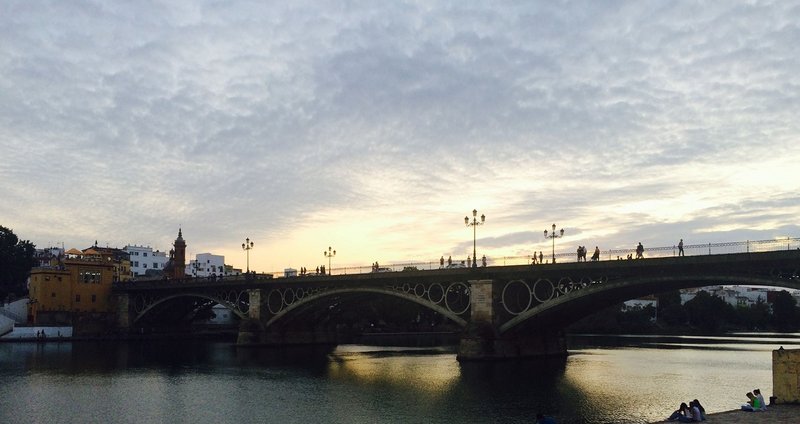 Sevilla
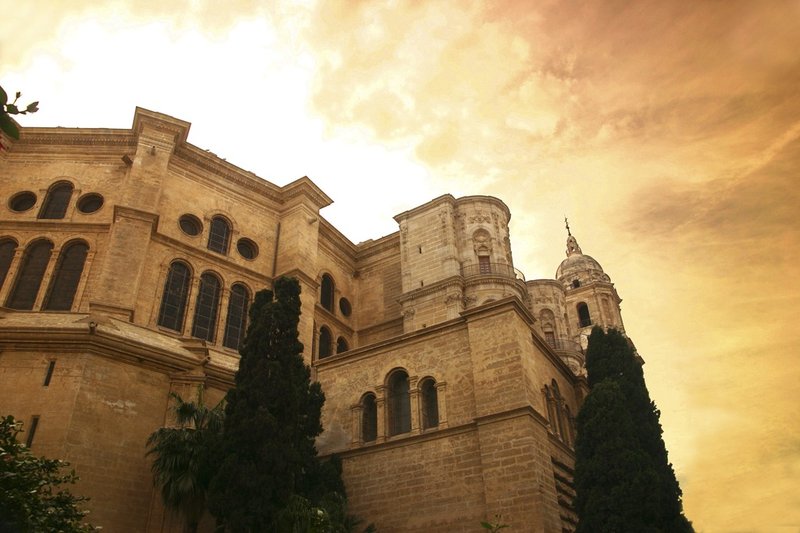 Málaga
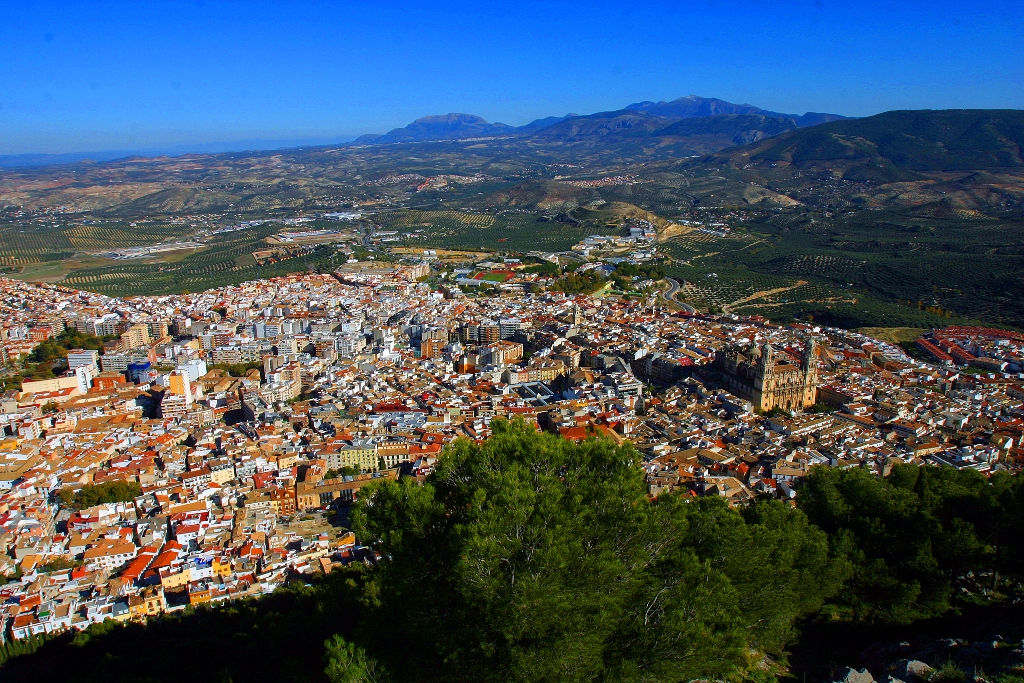 Jaen
Jaen Huelva
 Granada
 Córdoba
 Cadiz
Cadiz Almeria
 A tourist and cultural vision of flamenco
 The Guitar, last to join.
 The history of flamenco with respect to its geographical distribution
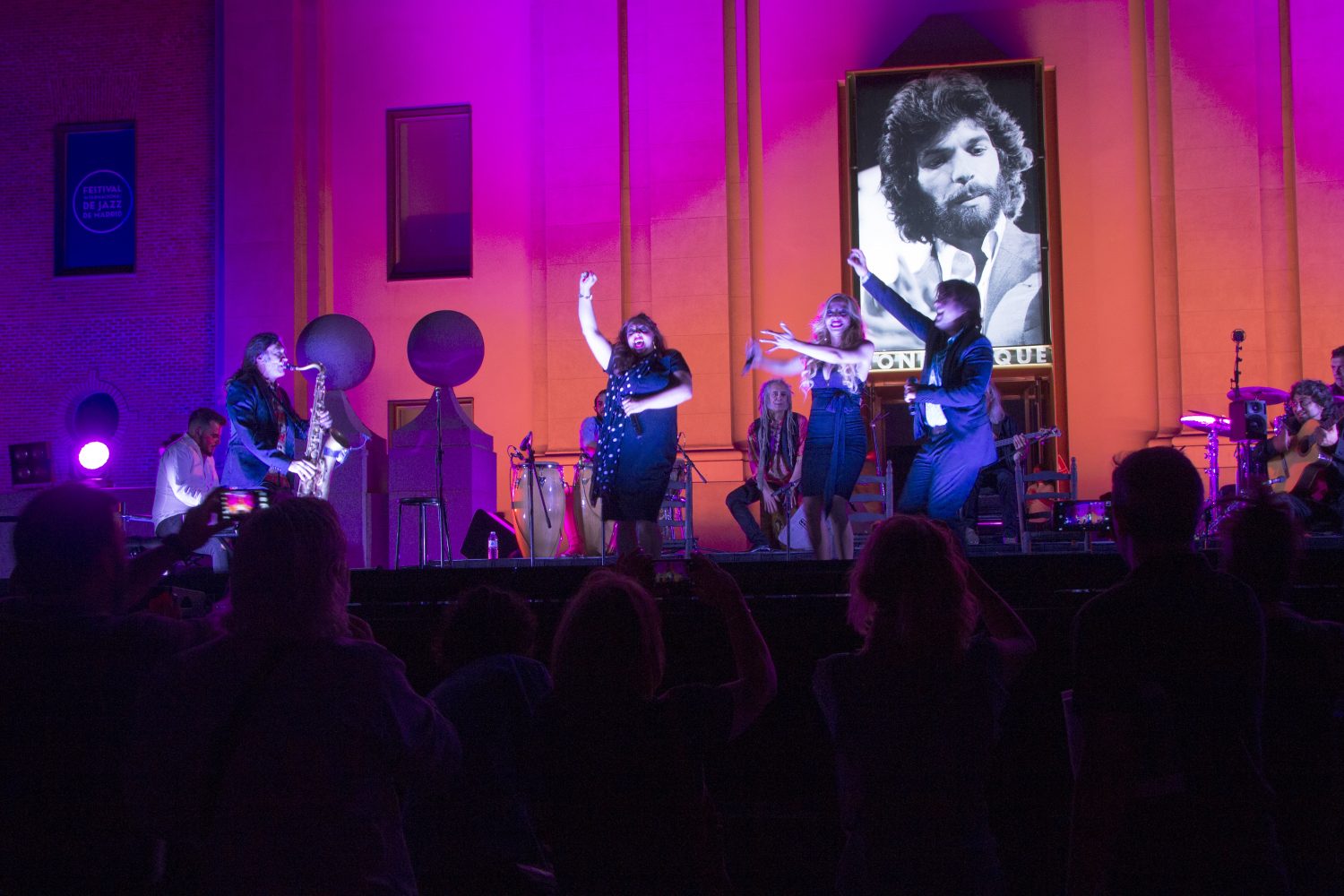 The present and future of the genre. The Fourth Golden Key of Singing.
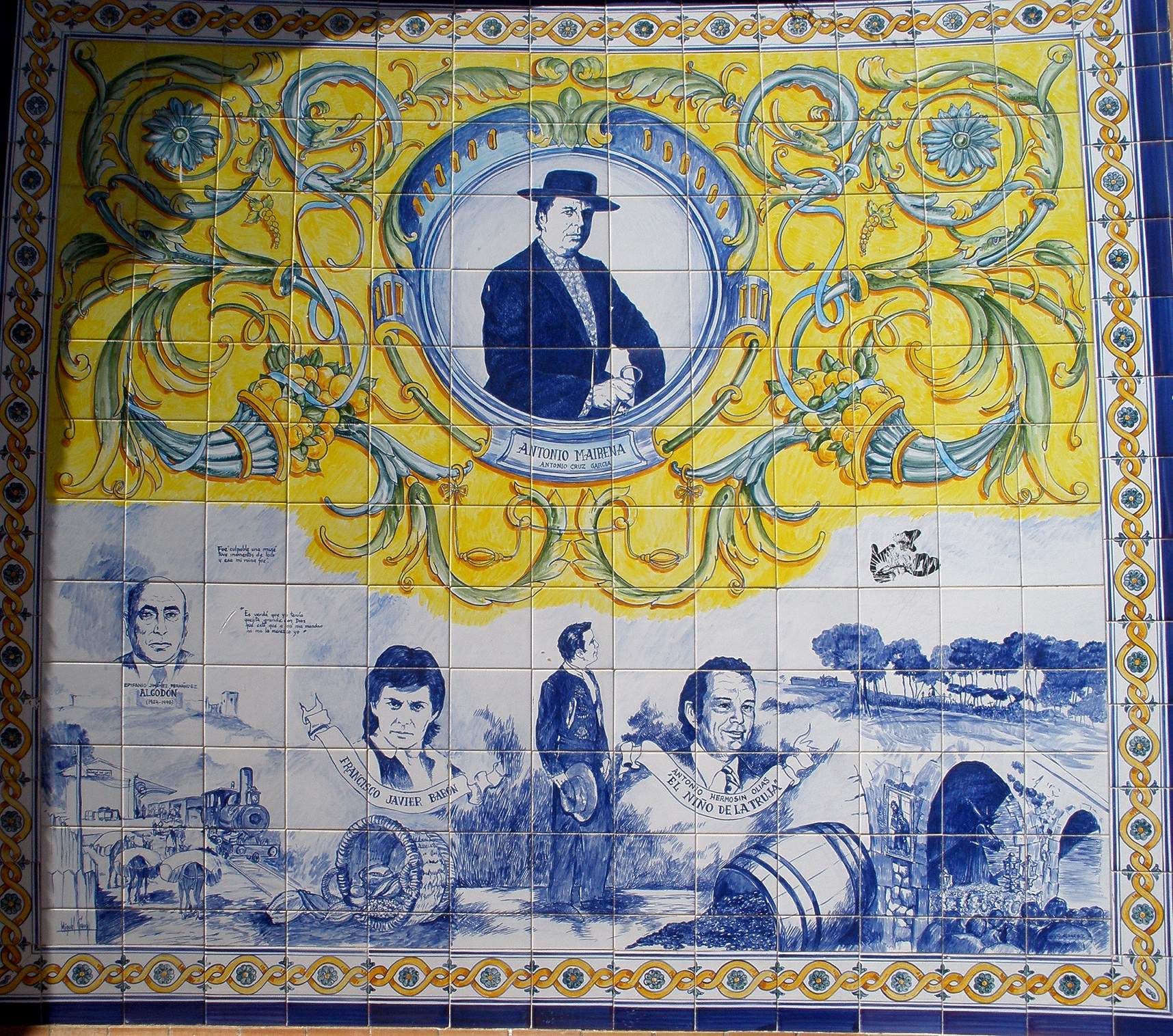 The festivals
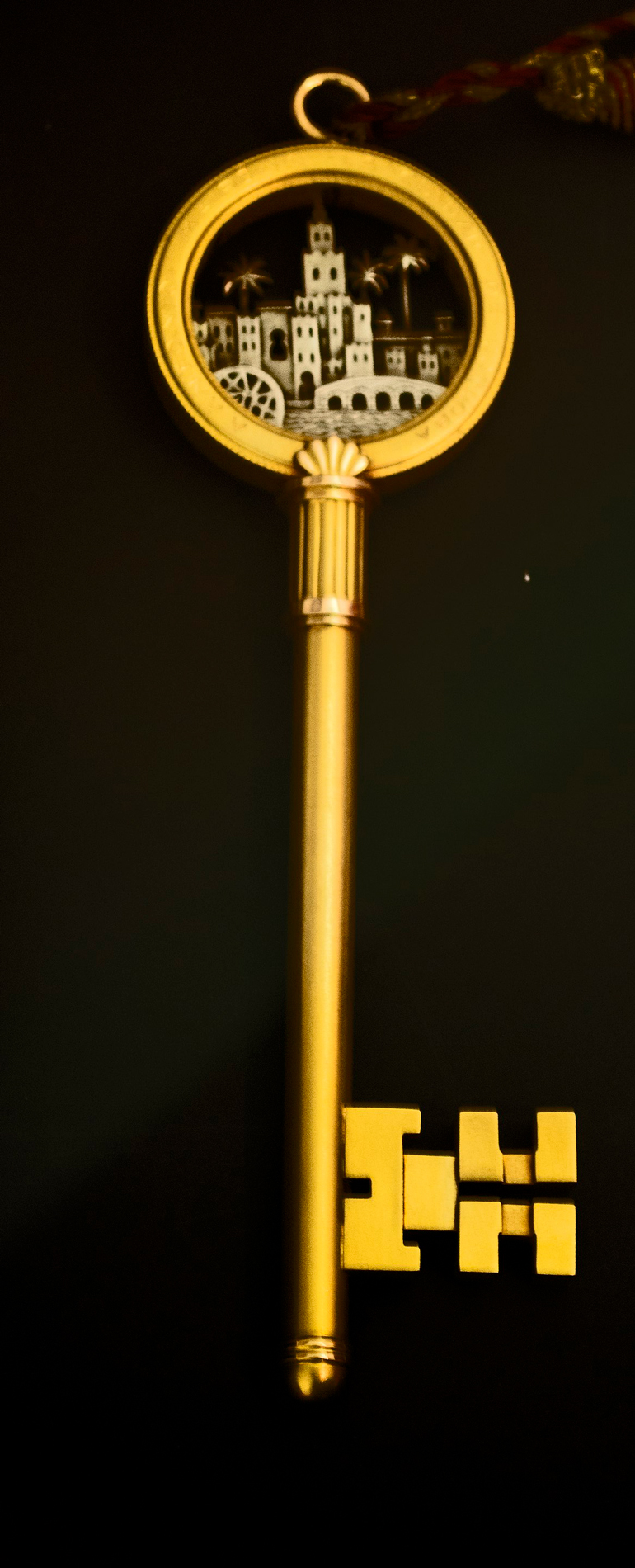 Revaluation of flamenco. Third Golden Key of Singing
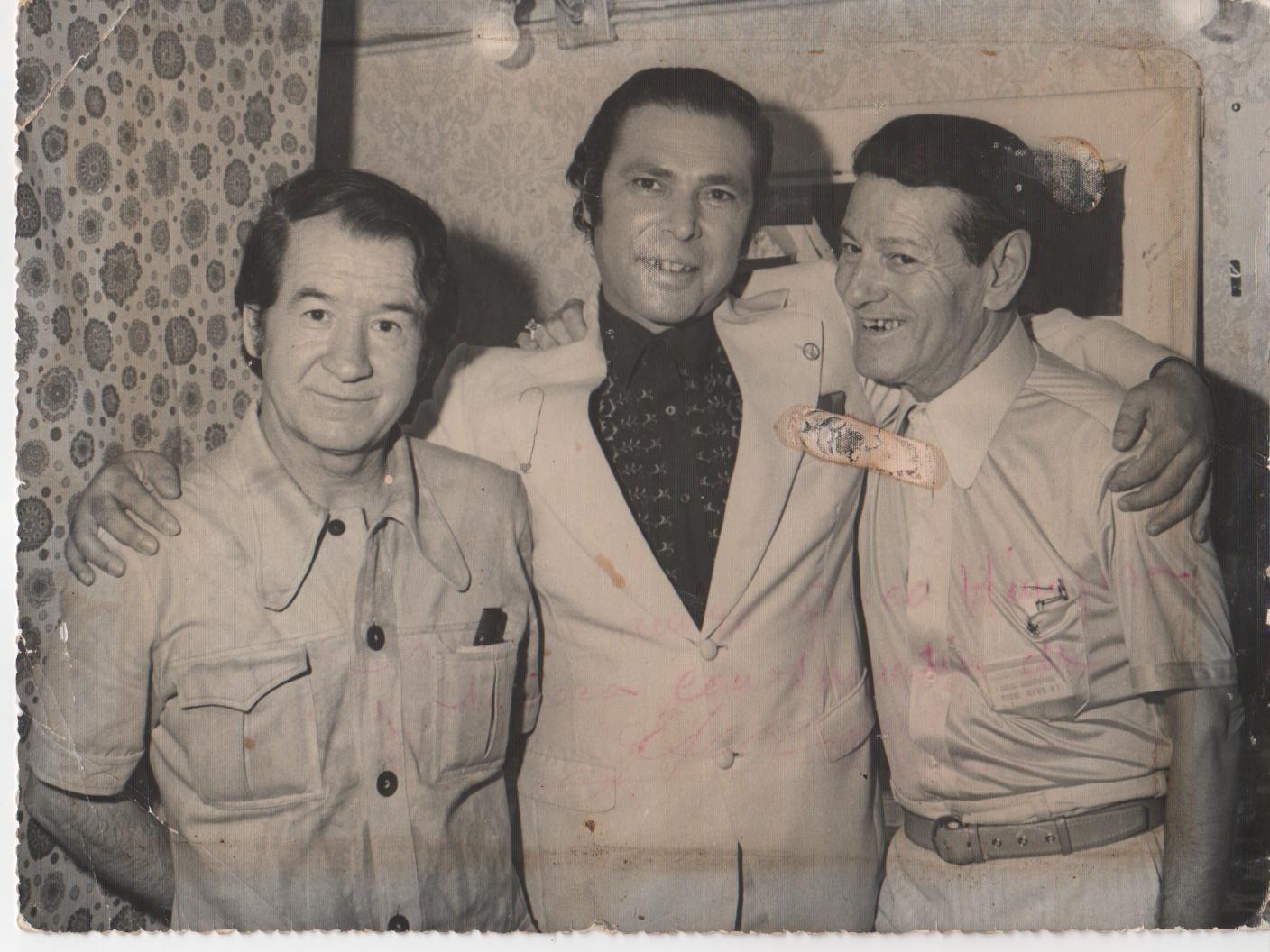 The Flamenco Opera
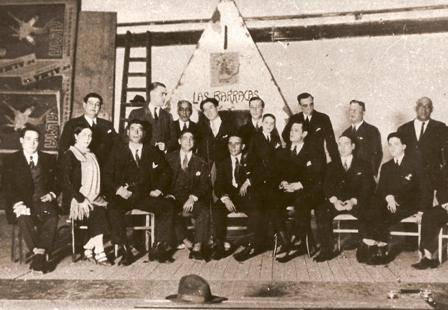 Flamenco in Madrid. The Pavón Cup. Second Golden Key of Singing
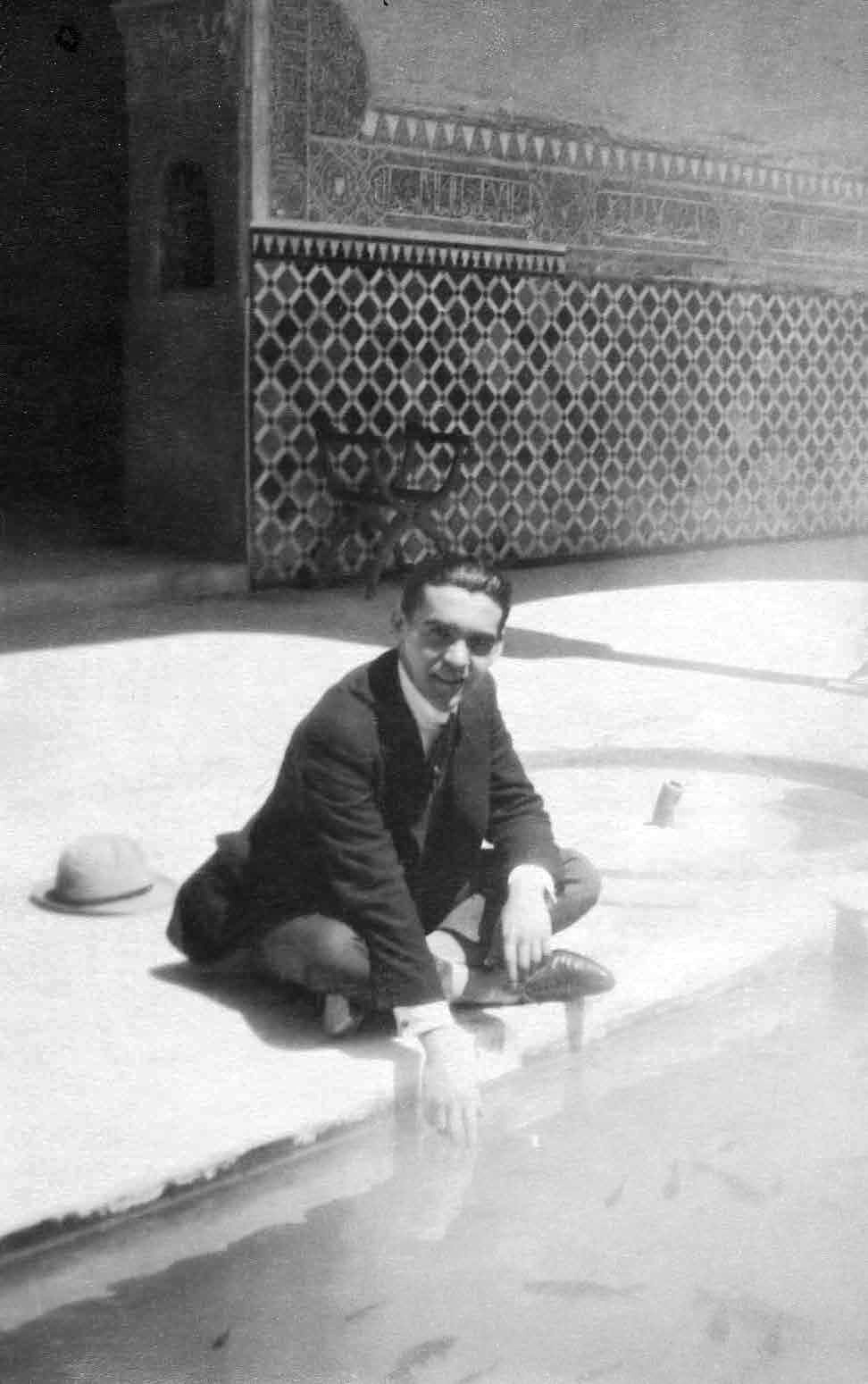 The contest that took place in 1922 in Granada
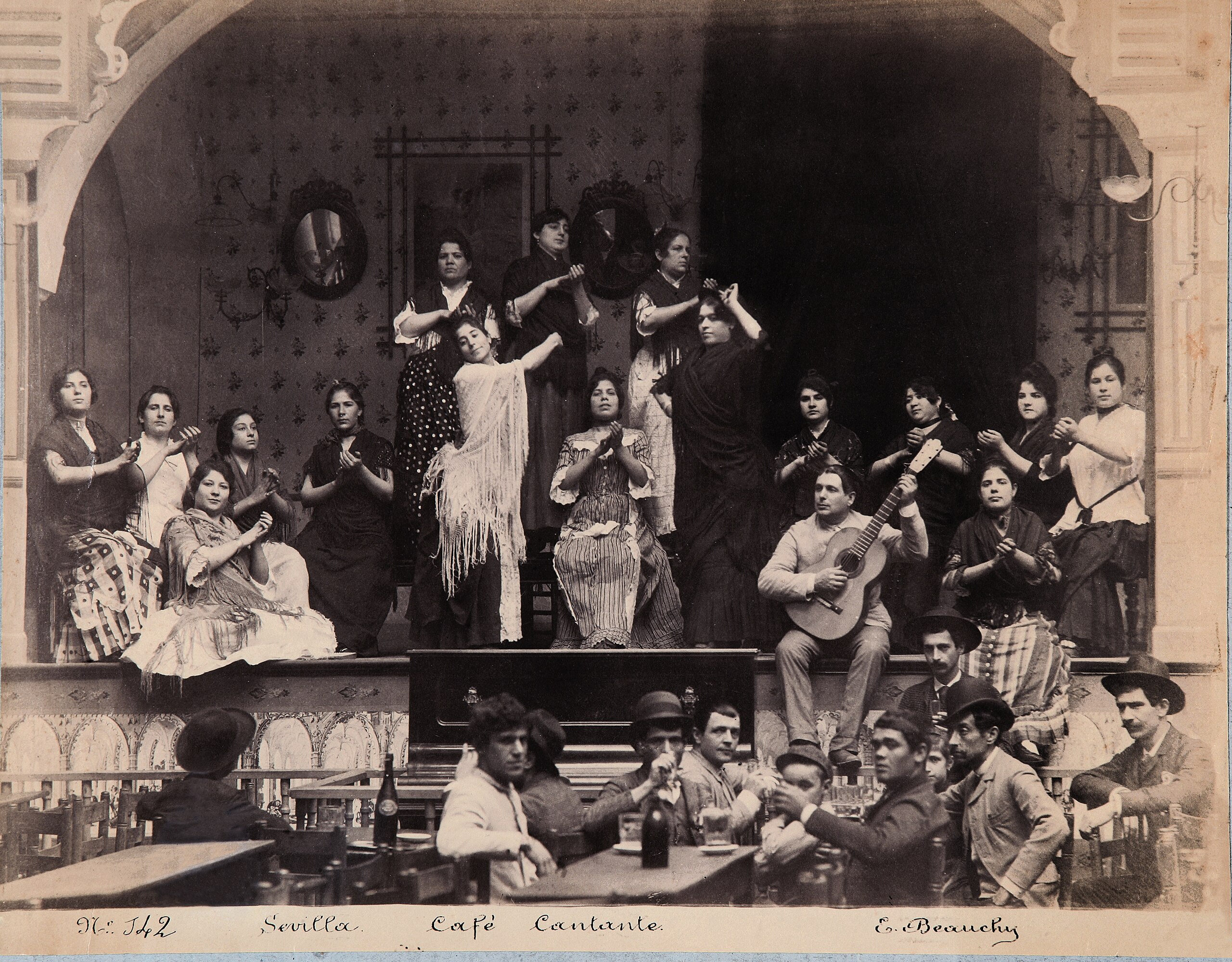 The great creators. The Golden Age. The Singing Cafes
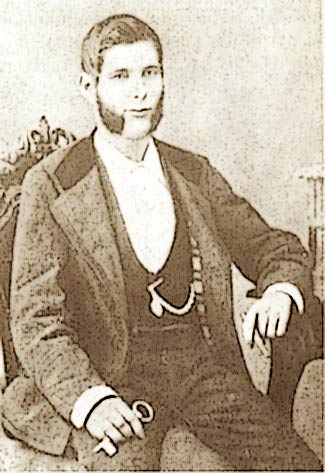 Evolution. Hermetic Stage. First singers
 Origin of the word “flamenco”
 First written references
 Musical background