



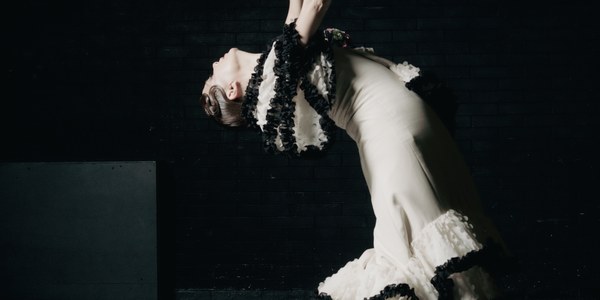
XXIV Flamenco Biennial
OLGA PERICET
Perspectives on a sound dance
Address, choreography and dance: Olga Pericet
Original music and guitar: Jose Manuel Leon
Sing: Mercedes Cortés
Lighting design: Gloria Montesinos
Sound: Curro You see
tailoring workshop: Lourdes Boan
Photograph: Jordi Terry
Executive Production: Miquel Santín
Distribution: Comb Productions
Production collaboration: AAIICC (Junta of Andalusia), Community of Madrid, Madrid City Council.
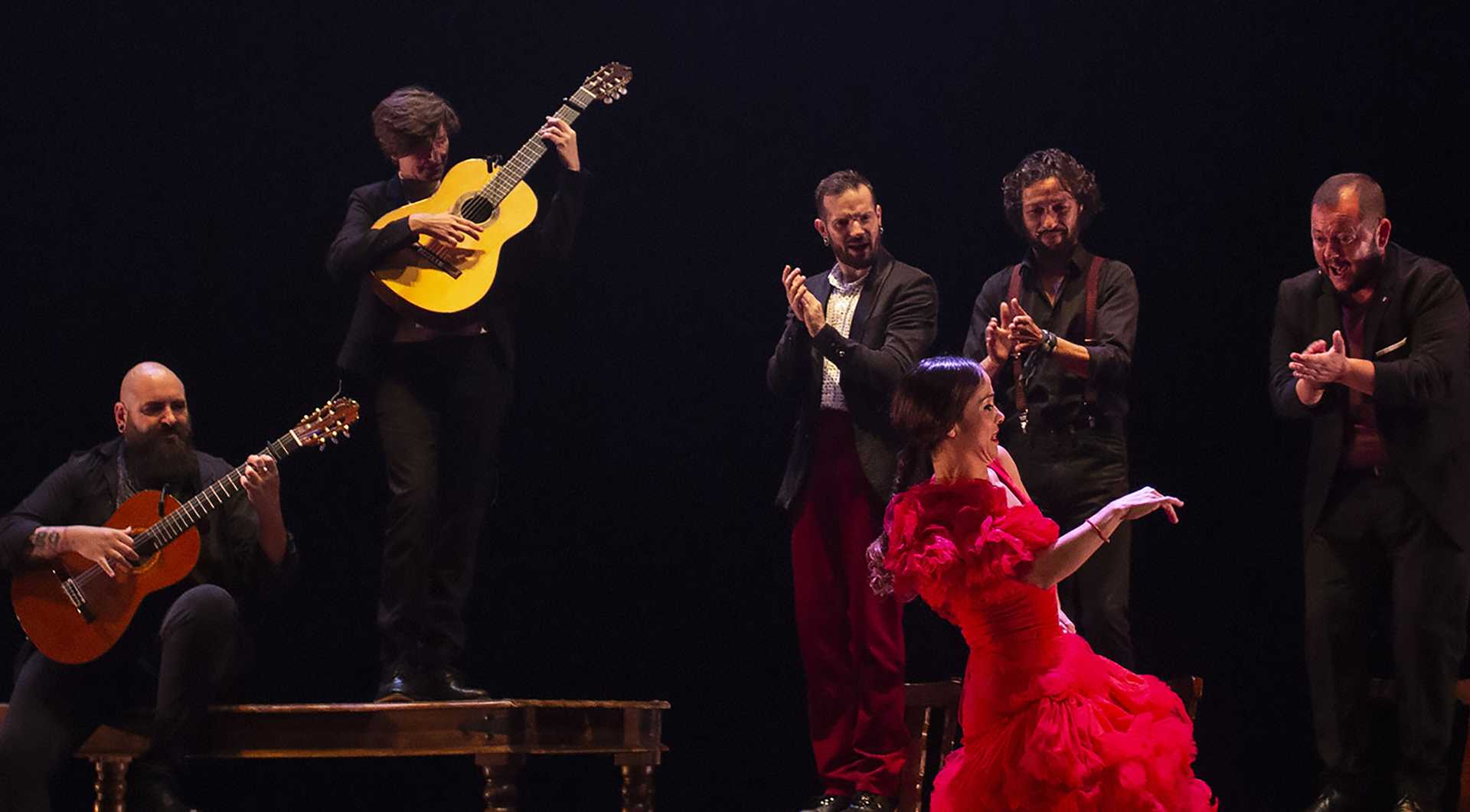
Perspectives on a sound dance is the title of the special format that, starting from Sound Dance, Olga Pericet premieres at the Biennial 2026, a project that dialogues between the memory of the body and its creative present. This work is born as a journey through the steps already taken, reviewed from a new artistic identity. Es, at the same time, a closing and an opening after thirty-five years of experience.
Through the simplicity of forms, the echo of flamenco and the exploration of the traditional format, The proposal seeks to open new perspectives from experience, maturity and research.
It is built together with José Manuel León on guitar and Mercedes Cortés and Miguel Lavi on vocals.. It focuses on the transformation of the original format, Sound Dance, expanding the dialogue between tradition, contemporary creation and personal identity.
Sound Dance It is a dance concert space where two bodies meet and connect. A third party breaks in communicating, moving and transforming time, the space, the pulse. These three bodies already in thinking movement, intuitive and fundamental flamenco, They synchronize and give voice to a Three-Way Sound Dance: They build a conversation in new, imperfect ways., personal, delicious and intimate, in an essay open to infinite possibilities of expression.
“Adding and sharing this special edition with Sevillian friends and teachers.”
“I want to resort to the call Recital Flamenco to give it a new personal twist within the contemporary scene in which I live. And so find, if there are, uninhabited holes.”
Olga Pericet
OLGA PERICET
National Dance Award
Olga Pericet (Córdoba, 1975). From a very young age she began to show her artistic interests in her Fuensanta neighborhood.. His training began in his city, under the tutelage of teachers like Inmaculada Luque , Concha Calero and, already in the Conservatory, with Maica Moyano , attending seminars with guests like José Granero, Pedro Azorín or Javier Latorre. Later she would complete her training with teachers like La Toná, Blanca del Rey or Matilde Coral.
International creator, dancer and choreographer, Olga Pericet shares her vibrant art with audiences at the world's main festivals and theaters. He drinks from tradition and throws himself into the abyss of the never seen with
shows in which a flamenco of opposites beats: dark and light, feminine and masculine, haunting and beautiful. They have written about her that she is “one of the great contemporary figures of flamenco” (Paris Art), “a mercurial presence and fearless experimenter” (The New Yorker), or that it possesses a “fierce energy locked in a sophisticated technique” (The Guardian).
In 2018 received the National Dance Award in the Interpretation category for, according to the jury, “its ability to combine the different
Spanish dance disciplines, updating them in an interpretive language with its own stamp” and for “its scenic versatility and its valuable transmission capacity”.
Great flamenco renewer, many other awards recognize his technical mastery, the harmony and preciousness of his work. Among the most recent, the MAX Award for Best Choreography for The matter (2024), the MAX Award for Best Dance Performer for an infinite body (2020), the ACE Awards Extraordinary Theater Award 2016 (Association of
New York Entertainment Reporters); the MAX Award for Best Principal Dancer for Footsteps (2015) or the RNE Critical Eye award (2014).
His most recent work is The matter, released in 2023 at the Girona Season High Festival, second part of the trilogy inspired by the guitars of the famous luthier Antonio de Torres. The first part, Lion day, premiered at the Seville Biennial in 2022.
Other of his shows are: an infinite body (2019); Dances of
repertoire (2018); The thorn that wanted to be a flower or the flower that dreamed of being
flamenco dancer (2017), which earned him the Specialized Critics Award of the
Jerez Festival; FLAMENCO (Untitled), premiered at the Spanish Repertory Theater in New York in 2016; o Footsteps, end and beginning of woman (2014).
Sometimes his pieces are the result of a personal creation process., In others he joins his talent with that of other artists, with whom she feels comfortable on and off stage. Together with Daniel Doña and Marco Flores he took the stage Recital (2009), Conspiracy (2008) and Chanta la Muí (2007). With Manuel Liñán and Marco Flores he signed In key (2006) and In their 13 (2005). With Manuel Liñán he created Black Chamber in 2005.
He has also collaborated with Irene Escolar, Silvia Abascal, Lucia Lacarra, Ygor Yebra, José Carlos Martínez and Boris Charmatz. Famous are his works with the stage director Carlota Ferrer or, more recently, with the choreographer and dancer Daniel Abreu, his partner in The matter.
In 2023 created the choreography for Goyescas/The altarpiece of Master Pedro,
directed by Francisco López at the Oviedo Opera and the Cervantes Theater in Málaga. In 2022 participated in the children's show Rebellion by Tide Dance, which earned him a nomination for the Max Awards for Best Choreography. was required in 2017 by the National Ballet of Spain, as guest choreographer, for the show Electra, by Antonio Ruz. As a guest artist she has worked alongside artists of the stature of Belén Maya, Blanca Del Rey, Miguel Poveda, Rocio Molina, Teresa Nieto, Frame Flowers, Manuel Liñán, Daniel Dona, Juan Carlos Lérida, Chevy Murray, Angel Rojas, Carlos Rodríguez or Miguel Ángel Berna, among others.
Monday 21 September 2026 – Central Theater: 22:30 hours
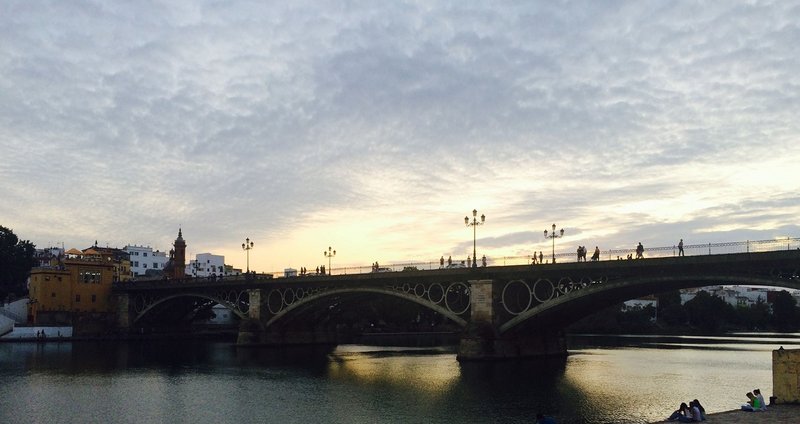 Sevilla
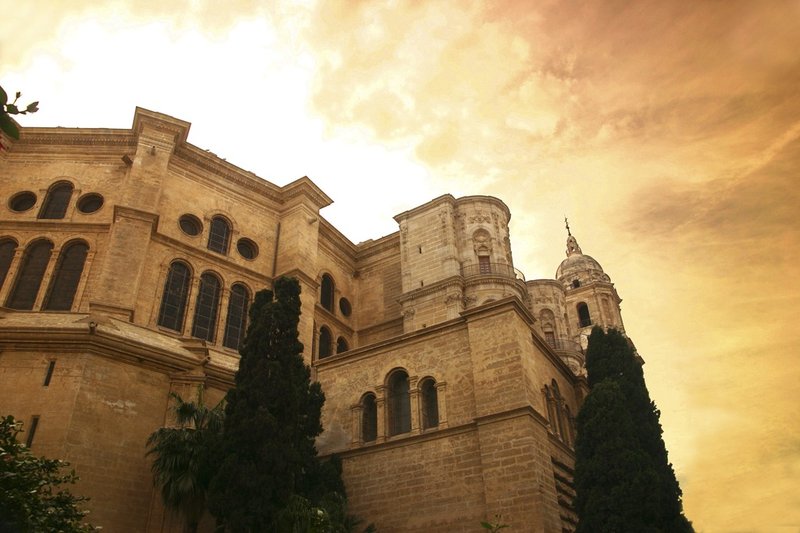 Málaga
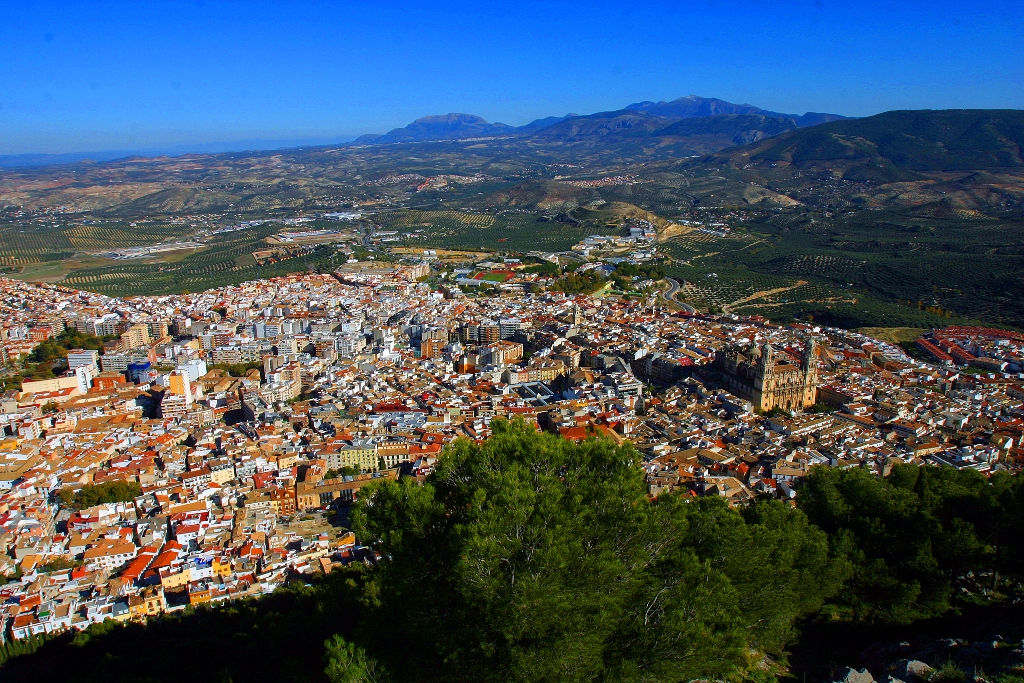 Jaen
Jaen Huelva
 Granada
 Córdoba
 Cadiz
Cadiz Almeria
 A tourist and cultural vision of flamenco
 The Guitar, last to join.
 The history of flamenco with respect to its geographical distribution
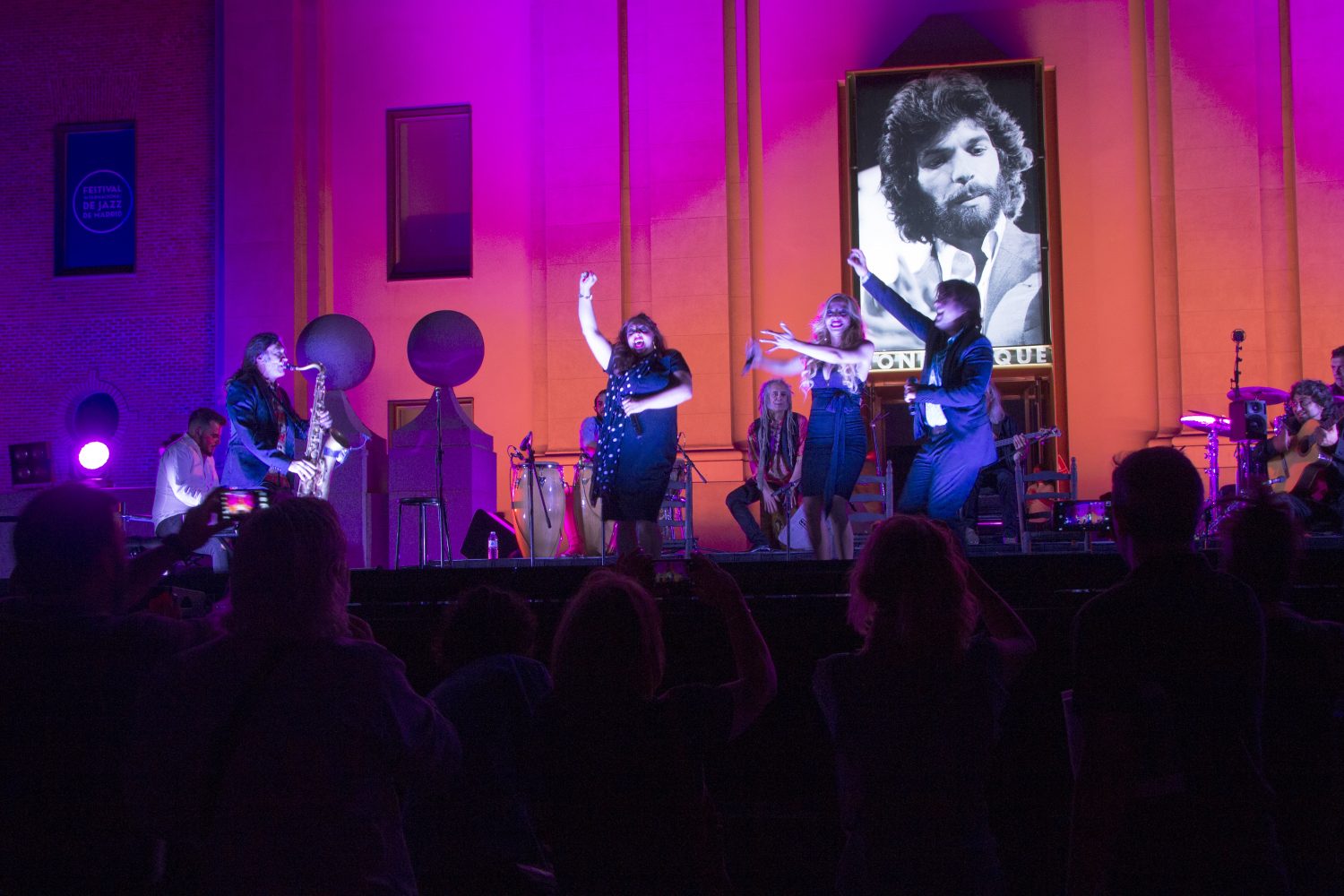 The present and future of the genre. The Fourth Golden Key of Singing.
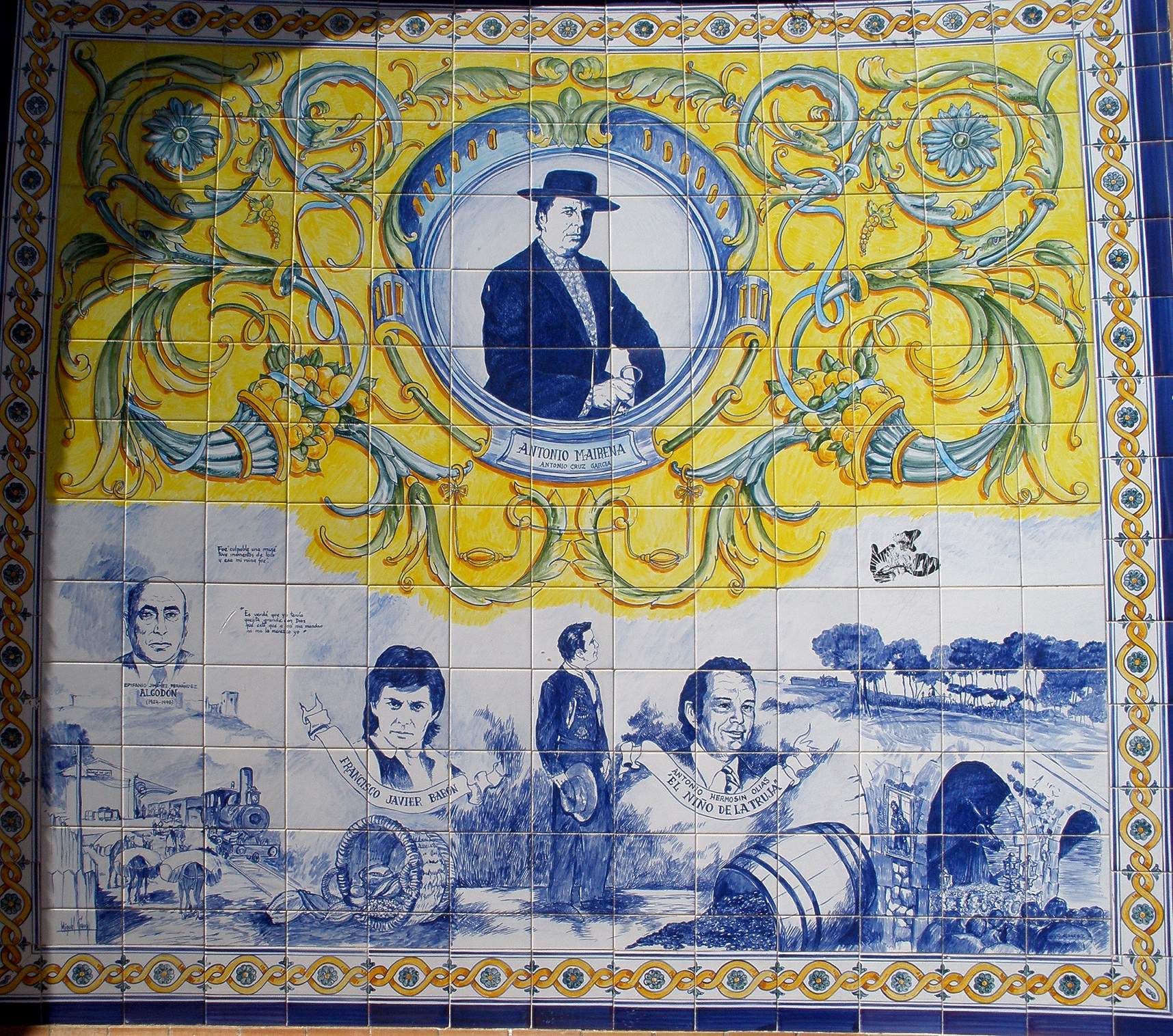 The festivals
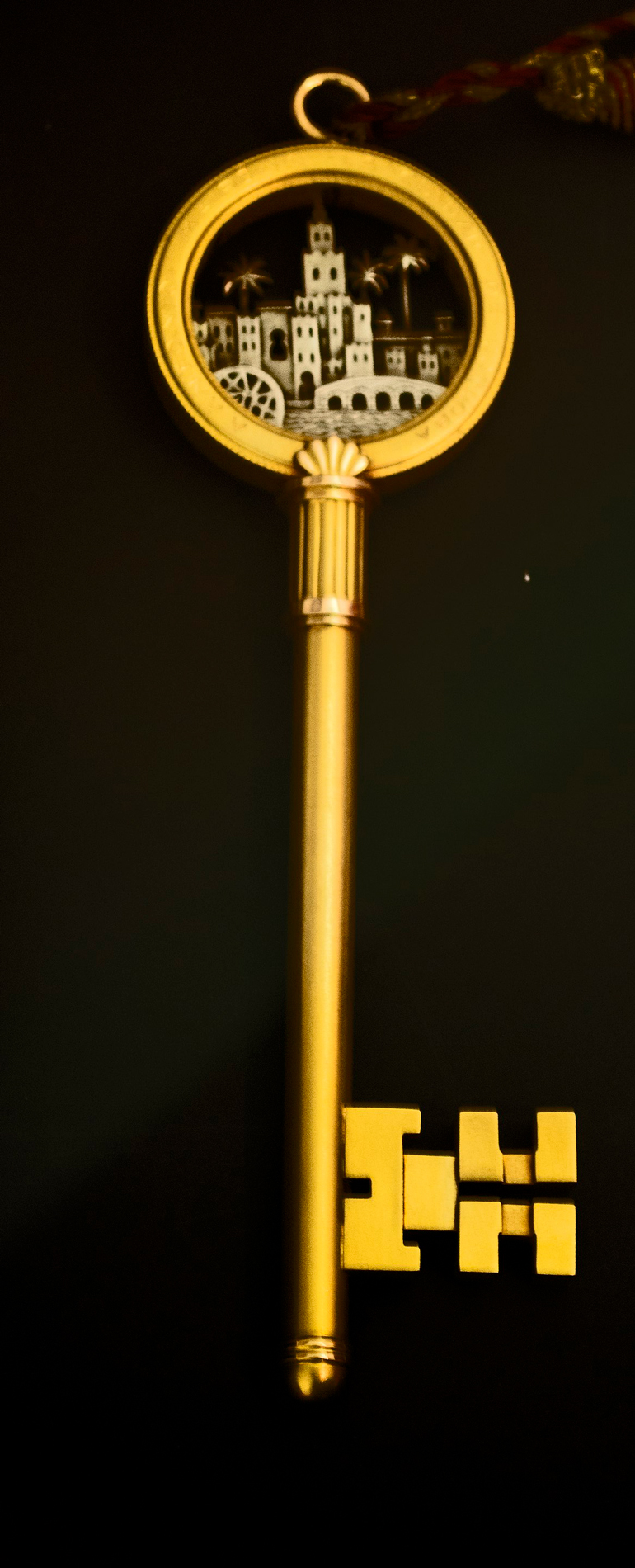 Revaluation of flamenco. Third Golden Key of Singing
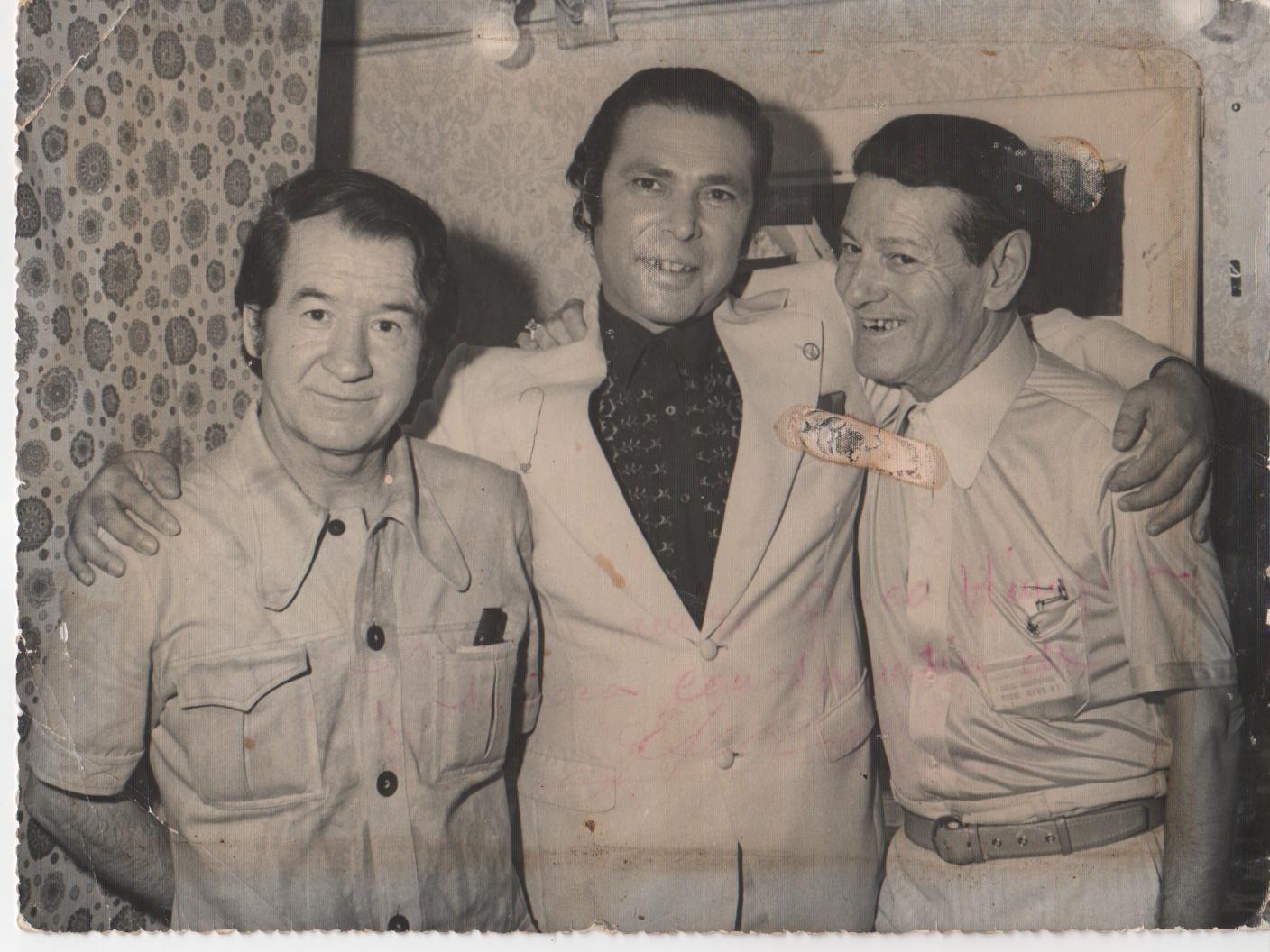 The Flamenco Opera
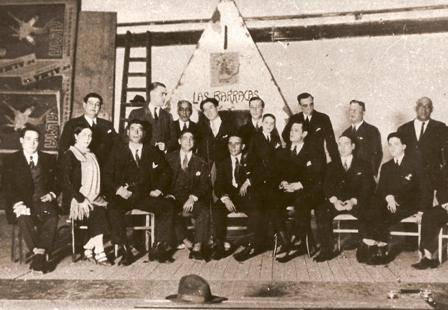 Flamenco in Madrid. The Pavón Cup. Second Golden Key of Singing
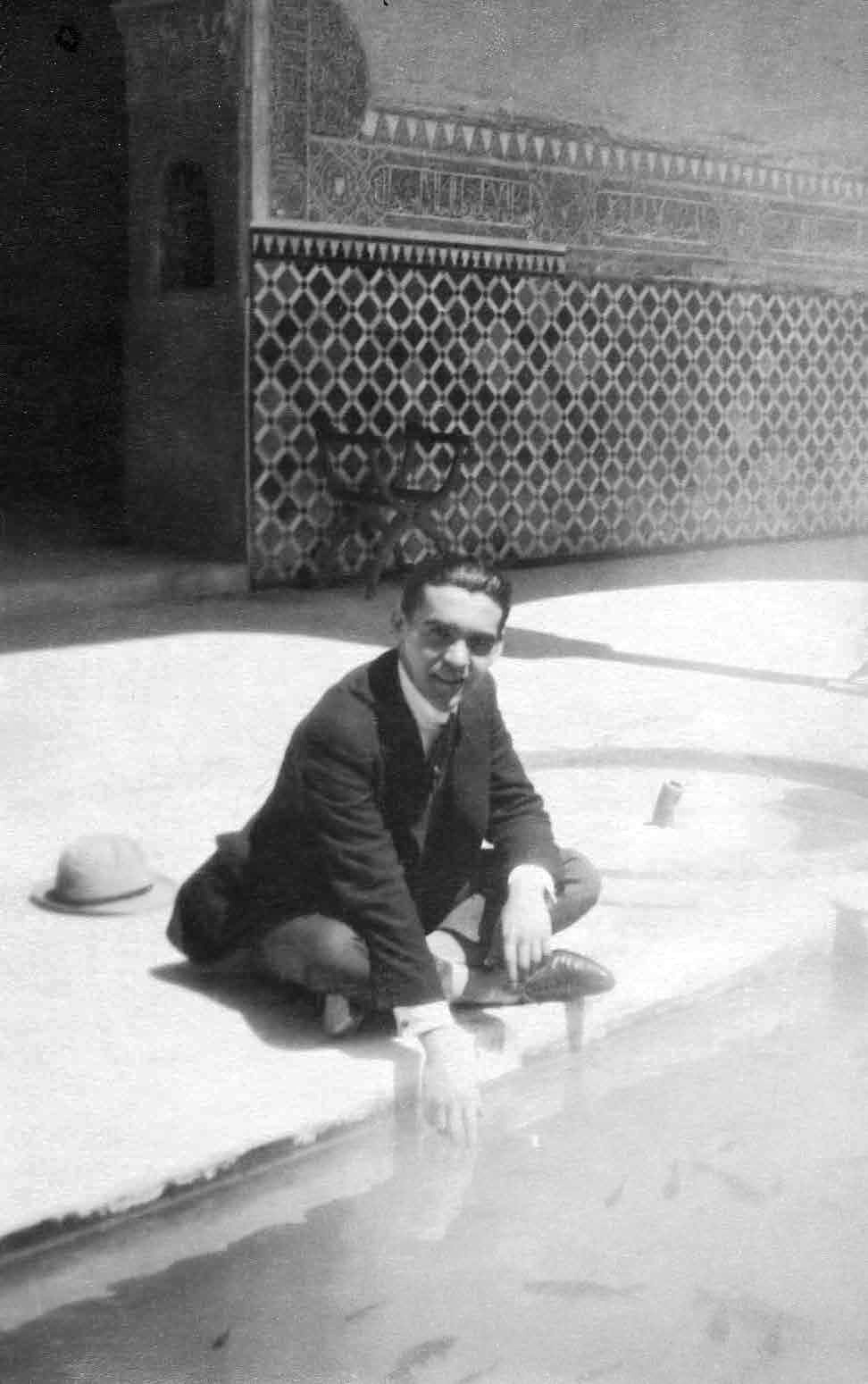 The contest that took place in 1922 in Granada
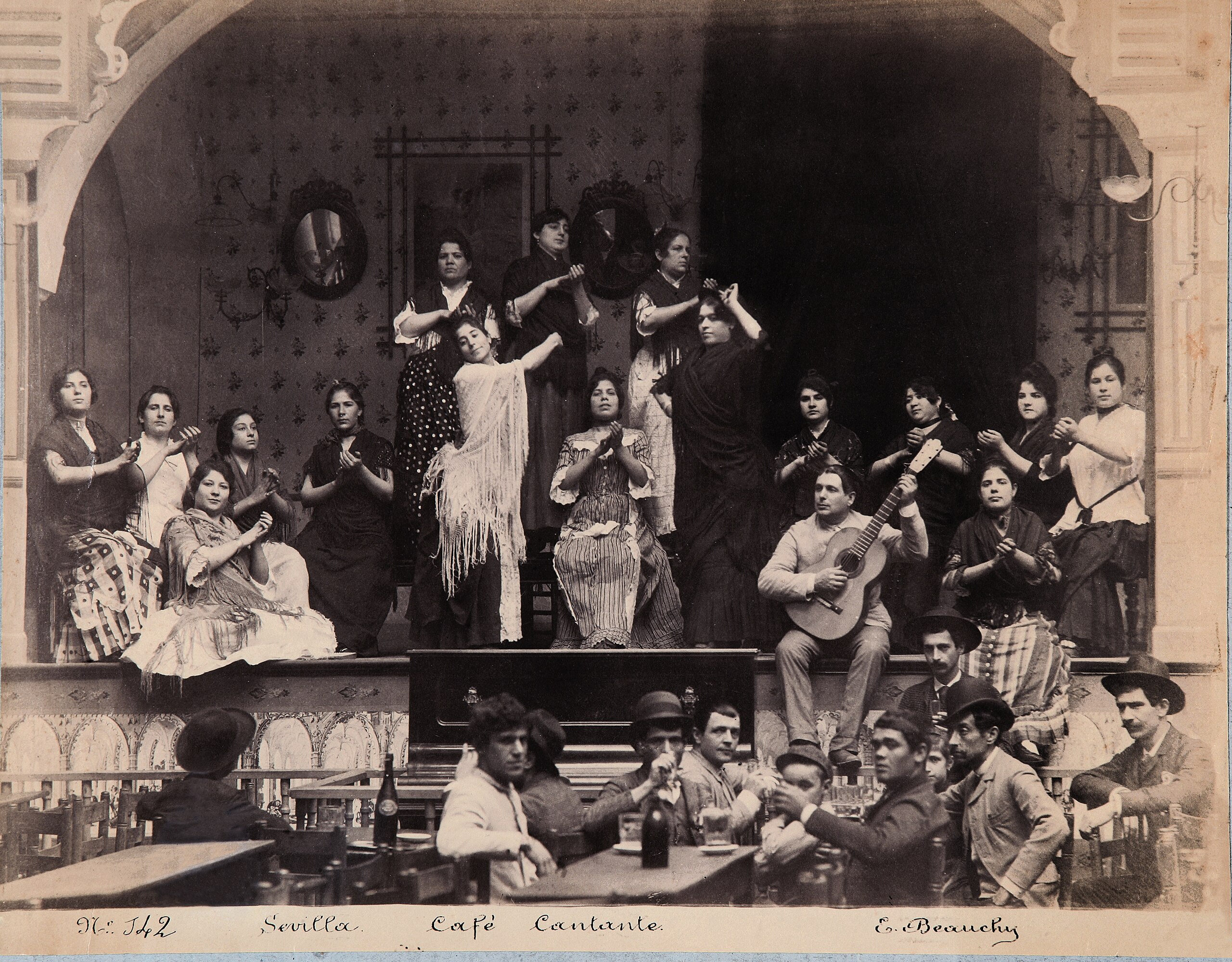 The great creators. The Golden Age. The Singing Cafes
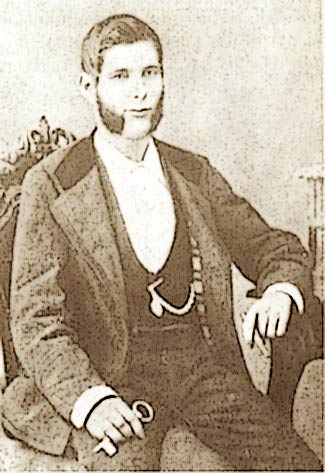 Evolution. Hermetic Stage. First singers
 Origin of the word “flamenco”
 First written references
 Musical background