



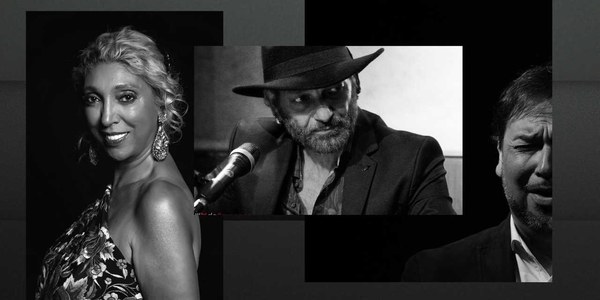
XXIV Flamenco Biennial
CINNAMON AND CLOVE
Esperanza Fernandez, Duquende and José Valencia. Address. Pedro Pena
Address: Pedro María Peña
Sing: Esperanza Fernadez, Duquende and José Valencia
Baile: Pepe Torres and Nazaret Reyes
Guitars: Joni Jiménez and Juan Requena
Flute: Juan Parrilla
Double bass: Gal Maestro
Violin: Leslie Jordan
Percussion: Paco Vega
Choirs and Palms: The Mellis of Huelva and Pedro Peña
Lightning: Tatiana Ruiz
Sound: Angel Olaya
Production: Live Flamenco Passion
Executive Production: Maria Larroca
Ayte. Production: Jose Fernandez
Cinnamon and Clove is a tribute to the deep mark left by the gypsy community on flamenco, an art that would not be what it is without the particularity of his contribution, unique and essential. Since its arrival in the Iberian Peninsula in the 15th century, Gypsies have been an integral part of the identity and cultural evolution of our land, leaving a transformative mark on the arts, customs and collective sensitivity.
The flamenco, today considered a universal language, owes much of its essence and magic to creativity, the intuition and the unique ability of gypsies to feel it and interpret it. Cinnamon and Clove It is a tribute to this double condition: a creative and innovative people with exceptional performers capable of turning experiences into emotion and their expression into genius.
The title, Cinnamon and Clove, It is an allegory that symbolizes the mixture between the sweet and the sharp, the soft and the deep. Metaphorical title that reflects the spirit of the show: an encounter with the roots of flamenco, what, far from staying anchored in nostalgia, is projected towards the present and the future, transforming the legacy into something alive and renewed.
Cinnamon and Clove It does not intend to enclose flamenco in molds or reproduce pre-established formulas.. Its purpose is to create a space where tradition and avant-garde meet., where the past illuminates the present. Not everyone who is will be on this emotional journey., but if they are all who are.
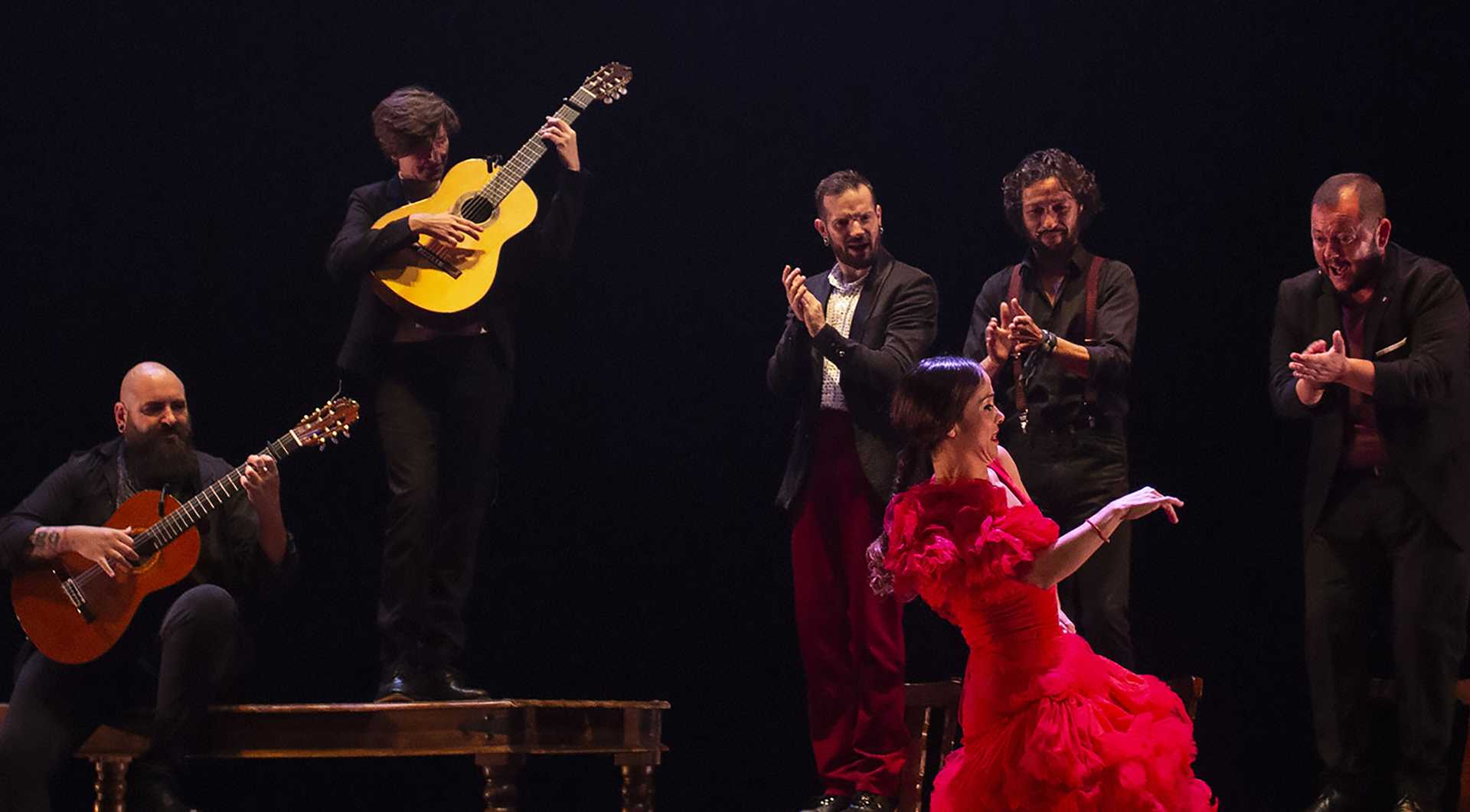
The show is presented within the framework of the Seville Flamenco Biennial 2026, bringing together prominent artists such as Duquende, Esperanza Fernandez, Jose Valencia, Pepe Torres and Nazaret Reyes, among others; who, under the direction of Pedro María Peña, will give well-deserved recognition to a people who, for centuries, continues giving soul to flamenco.
HOPE FERNÁNDEZ
Esperanza Fernandez (Sevilla. 1966) He was born in the Triana neighborhood. She is a singer of genuine flamenco heritage from both of her parents.. Considered one of the best voices on the current flamenco scene., highlights his defense of classical singing and his great versatility in approaching different musical aesthetics, like symphony or jazz.
Nominated for the Latin Grammy Awards, Esperanza Fernández is a renowned performer of emblematic compositions such as Witch Love, work that he has tackled with a wide variety of conductors and symphonic ensembles, or in assemblies with a more peculiar seal, like the version that La Fura dels Baus put together of Falla's work. Its prestige and international recognition, have allowed him to perform on emblematic stages in cities around the world, like new york, Moscow, Paris, Tokio, Lisboa, Mexico D.F., Istanbul, Ginebra, Budapest, Oslo, Saint Petersburg, Rome or Jerusalem.
He has released six solo albums: Esperanza Fernandez (2001), Memories (2007), My voice in your word (2013), oh life! (2018), singing is prohibited (2021) (with collaborations by Miguel Poveda, Archangel, Rocio Marquez, Jesus Mendez, José Valencia and Tomatito) and Sevilla 40.0 (2024), with whom he is preparing a tour entitled From Triana to the world.
Throughout his career he has received outstanding recognitions: Clara Campoamor Award, Giraldillo del Cante Biennial Flamenco, Andalusian Gypsy Award, City of Seville Medal, o Institute of Gypsy Culture Award, among others.
DUQUENDE
Juan Cortes, Duquende (Sabadell, 1965), He was born into a gypsy family. To the 8 years, Camarón de la Isla invites him to debut on stage, accompanying him on guitar. His performance had such an impact that he was requested by promoters and record companies., but his parents did not allow him to dedicate himself professionally to music at such a young age..
In 1992 He begins a brilliant career that has led him to appear on prestigious Spanish stages., like the Palau de la Música in Barcelona, the National Music Auditorium of Madrid, the Manuel de Falla Auditorium in Granada or the Lope de Vega Theater in Seville, among others. In 1996 He became the first singer invited to give a recital at the Theâtre des Champs Élysées in Paris, where since then it is common to see it on posters. Among his international performances, his solo debut in the United States stands out., including a performance in New York's Central Park. For almost two decades he was the guest singer on Paco de Lucía's international tours..
His discography includes: I am the elf (1988), In the middle (1989), Duquende with Manzanita (1990), Duquende and Tomatito's guitar (1993), Samaruco (2000) (with the collaboration of Paco de Lucía), my way of living (2005), Qawwali Flamenco (2006), my way of living (2006), Live in Cirque d´Hiver – Paris (2007) and puzzles (2012). He has also participated in the film Flamenco by Carlos Saura.
Great guitarists such as Juan Habichuela have collaborated with Duquende., Tomatito, Juan Manuel Canizares, Moraíto Chico o Vicente Amigo.
JOSE VALENCIA
Jose Valencia (L'Hospitalet de Llobregat. 1975) It is a faithful example of the validity of the transmission model of gypsy singing houses in the 21st century.. Born in Catalan lands, His family origins are located in Lebrija, town where he settled since he was a child to learn directly his flamenco roots and the cantaora heritage of a long and wide lineage, which also has its Jerez derivation with mythical names such as Juanichi el Manijero, Tío Borrico or the Parrilla de Jerez.
premature singer, with barely 3 years he was already on the stages of the Catalan clubs, as Joselito de Lebrija, from the hand of his uncle Luis de Lebrija. Con 5 years you can register your debut, sharing the stage with figures of the stature of Camarón, Bernarda de Utrera, his uncle Manuel de Paula, José Meneses or Lebrijano, of whose singing he is currently considered the natural heir.
In 1986 He obtained First Prize in the Youth Competition of the Federation of Flamenco Clubs and Entities of Seville and his mastery of the soleá allowed him, with only 12 years, collect a prize in the prestigious Mairena del Alcor competition. In 1991 He joins the company of guitarist Pedro Bacán and with his group, The Pinini Clan, He tours different countries in Europe. Starting the following year, he went on national and international tours with the shows Our History to the South and Chachipén and Majari Cali from his uncle Manuel de Paula.
Four Giraldillos, merit that no other artist has achieved, endorse a career that has made it currently one of the indispensable references when talking about singing with roots. His versatility and the power of his singing have allowed him to collaborate with a wide and varied number of artists or companies., as Andrés Marín, Loss Me, Joaquín Grilo or Antonio Canales; At the same time, he has developed an increasingly important and intense solo career., offering recitals on prestigious national and international stages.
He has two albums on the market: Flamenco only (2012) and Straight (2016), recorded live at a concert at the Flamenco Biennial at the Lope de Vega Theater. He is currently in the process of recording his third album.. has also registered The High Tower. Bécquer and Flamenco, tribute concert to 150 years of the publication of the Rimas.
He has starred in shows with which he has achieved outstanding success.. That is the case of Gila (2017), within the framework of 50 anniversary of the Lebrijano Theater; With hierarchy (2018) which he presented at the Caracolá de Lebrija, with musical direction by Manuel de Paula; and Beshavel (2018) and Study on the songs of Lebrija (2024), both premiered at the Biennale.
In 2020 also participated, together with Jesús Carmona and Juan Requena, in an intimate show titled The Game.
Thursday 24 September 2026 – Maestranza Theater: 20:00 hours
 Sevilla
 Málaga
 Jaen
Jaen Huelva
 Granada
 Córdoba
 Cadiz
Cadiz Almeria
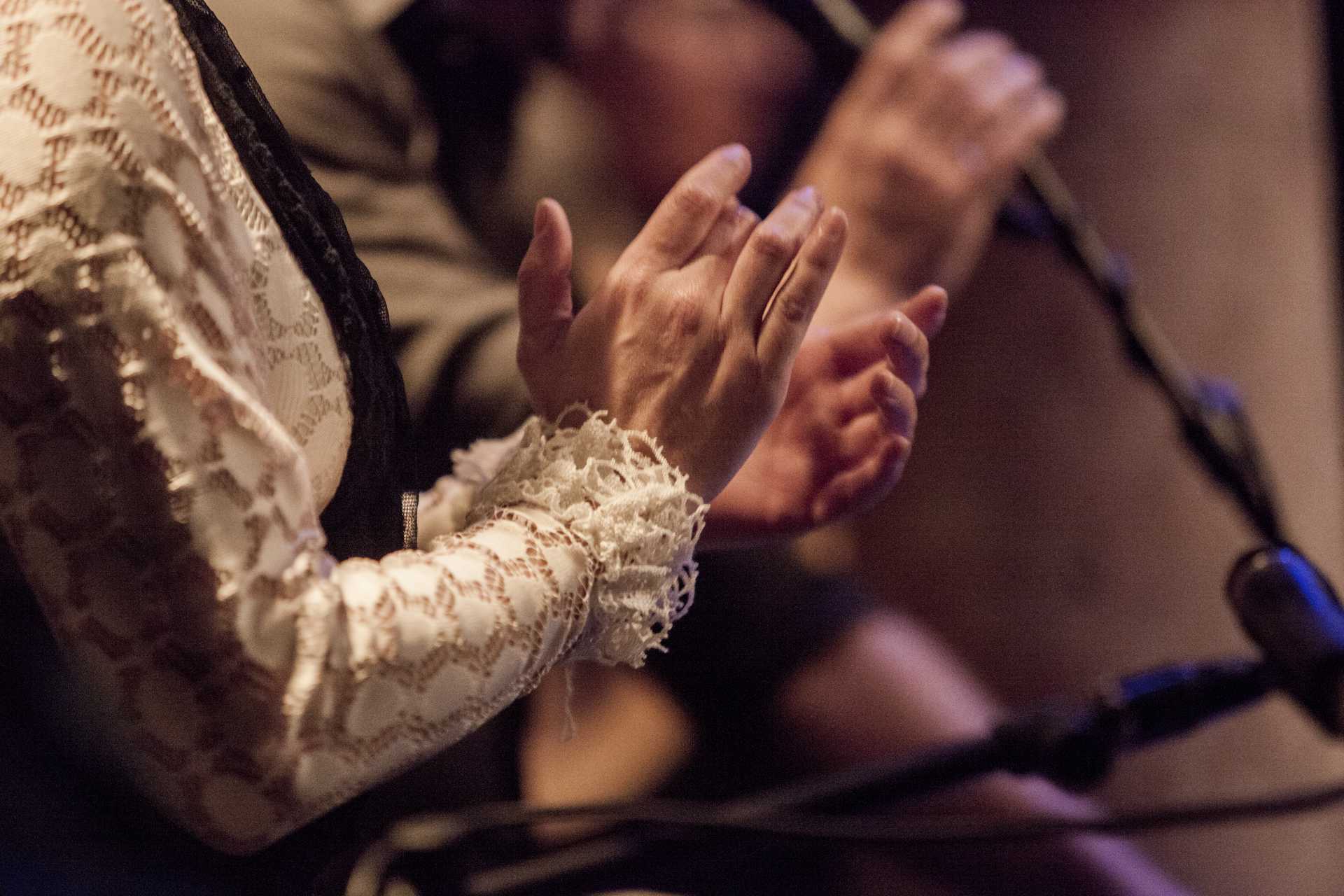 A tourist and cultural vision of flamenco
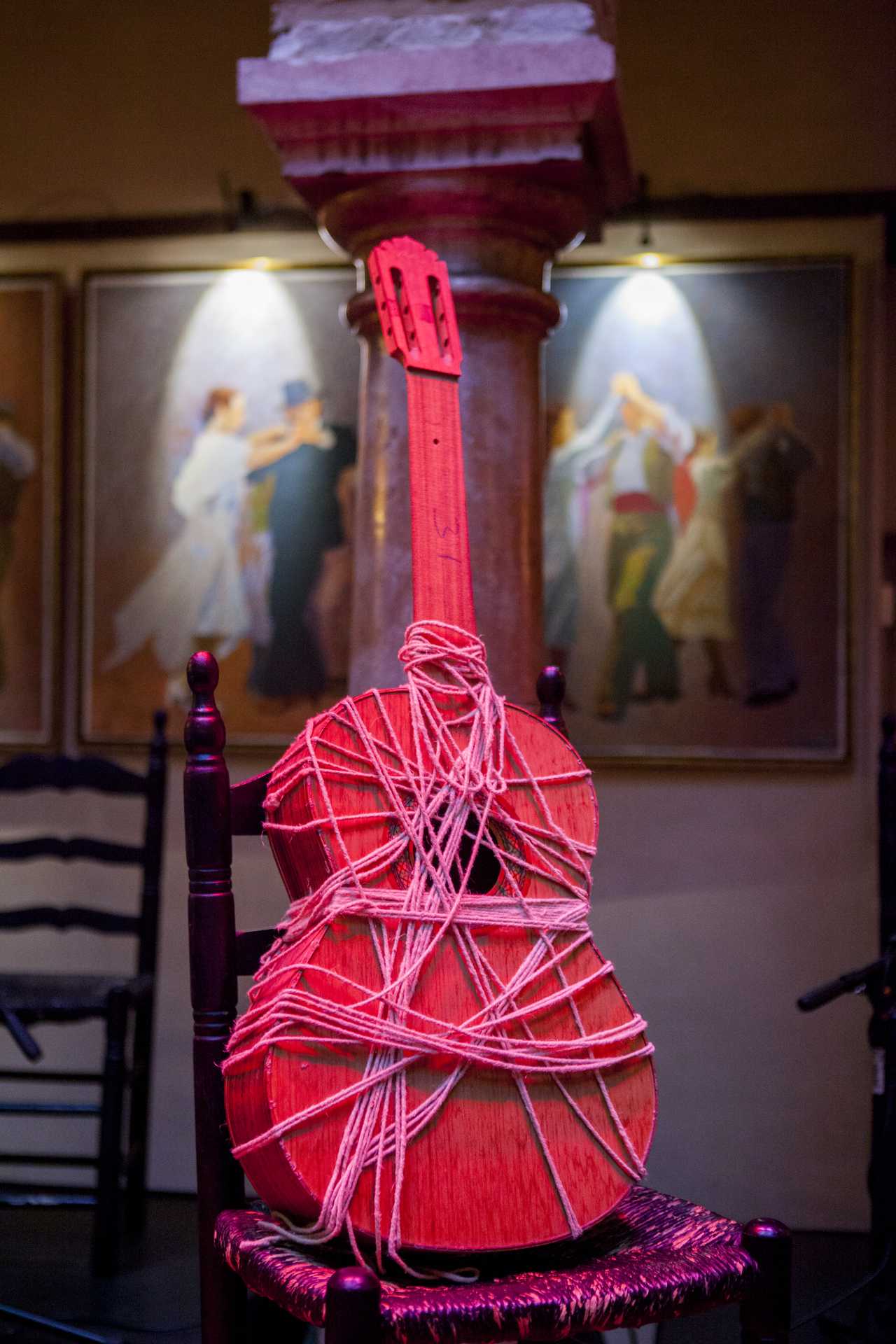 The Guitar, last to join.
 The history of flamenco with respect to its geographical distribution
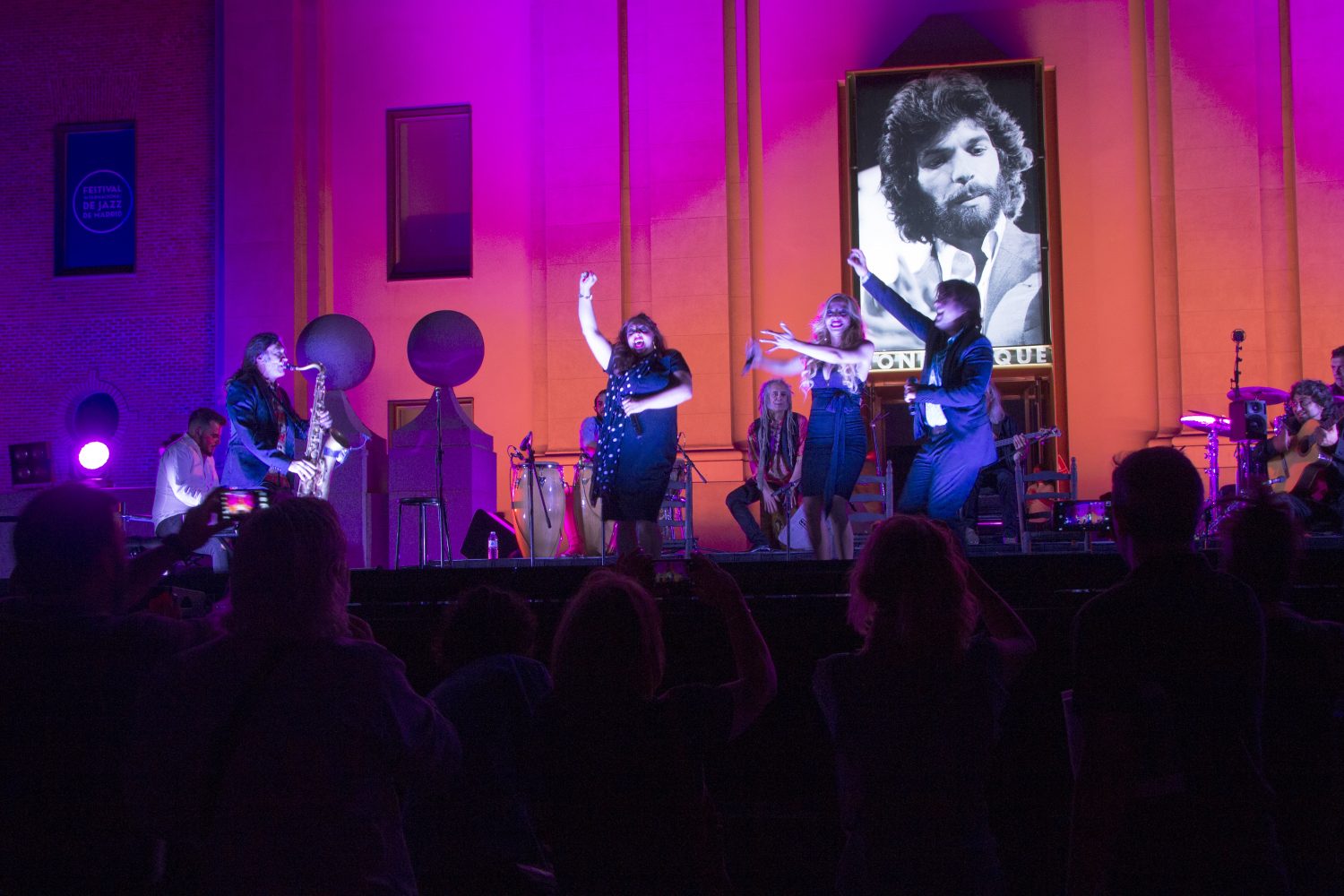 The present and future of the genre. The Fourth Golden Key of Singing.
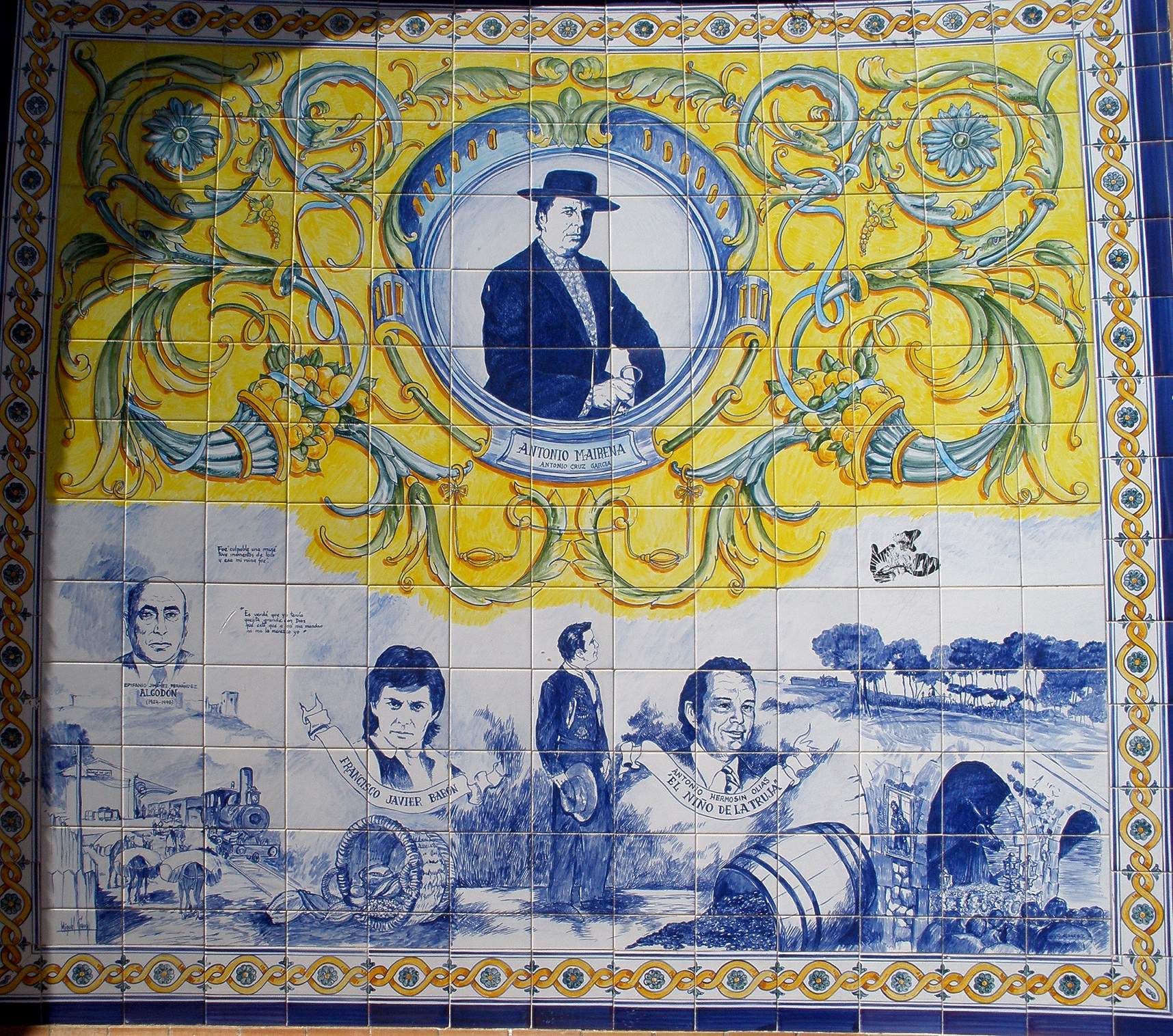 The festivals
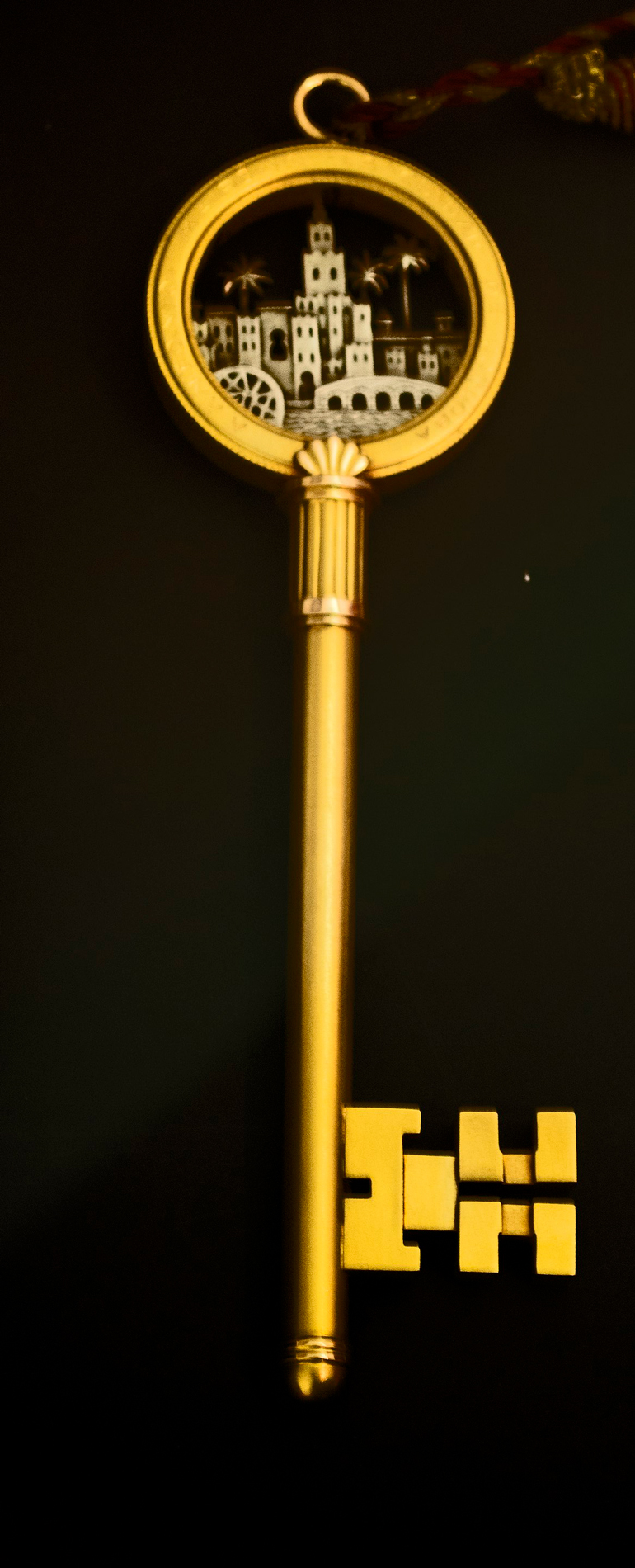 Revaluation of flamenco. Third Golden Key of Singing
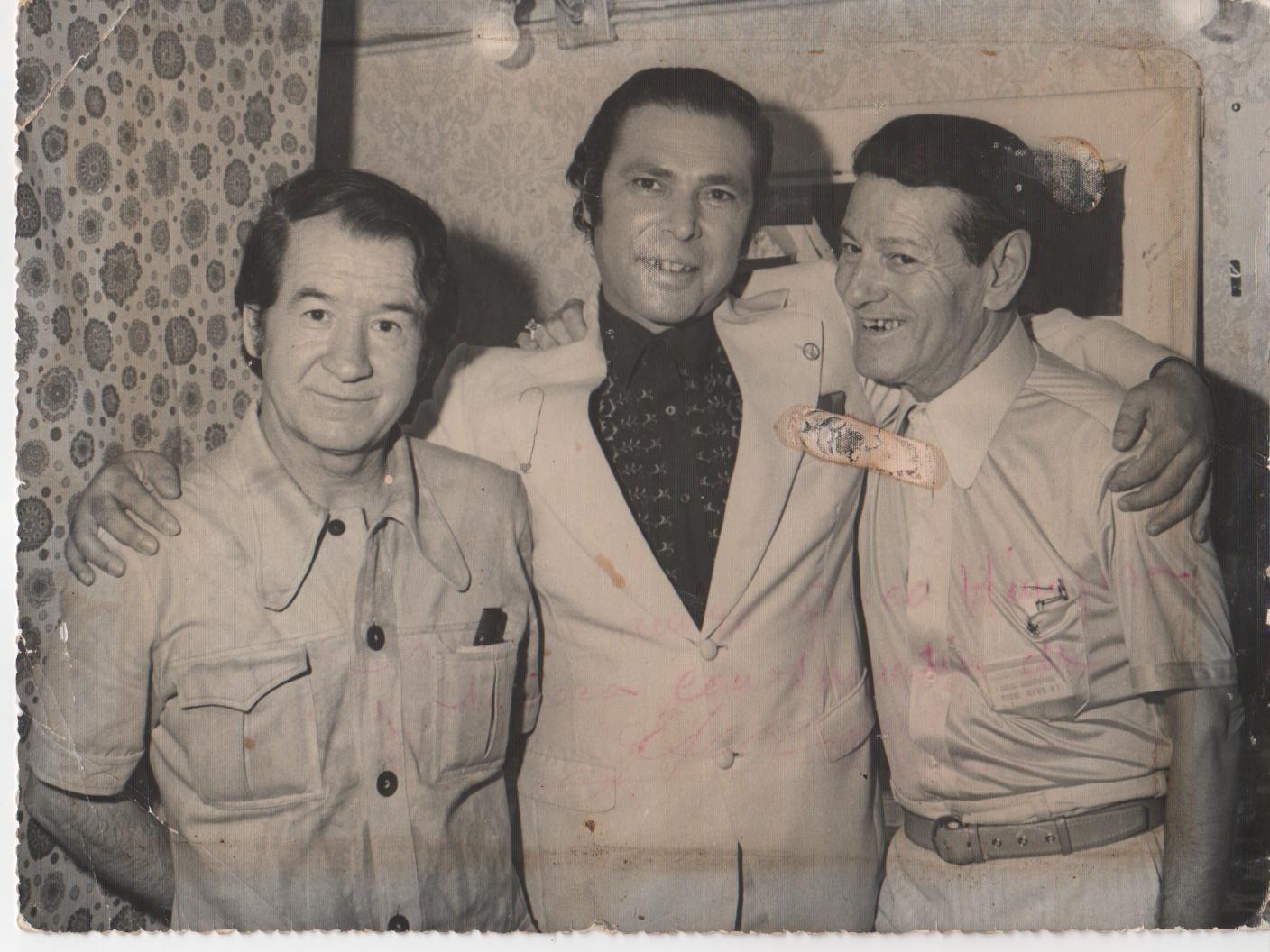 The Flamenco Opera
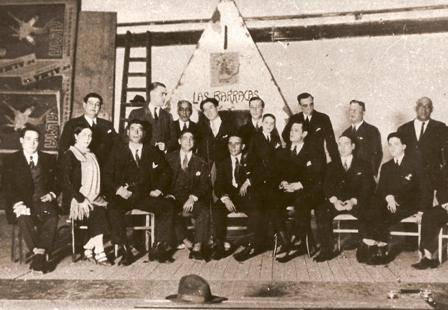 Flamenco in Madrid. The Pavón Cup. Second Golden Key of Singing
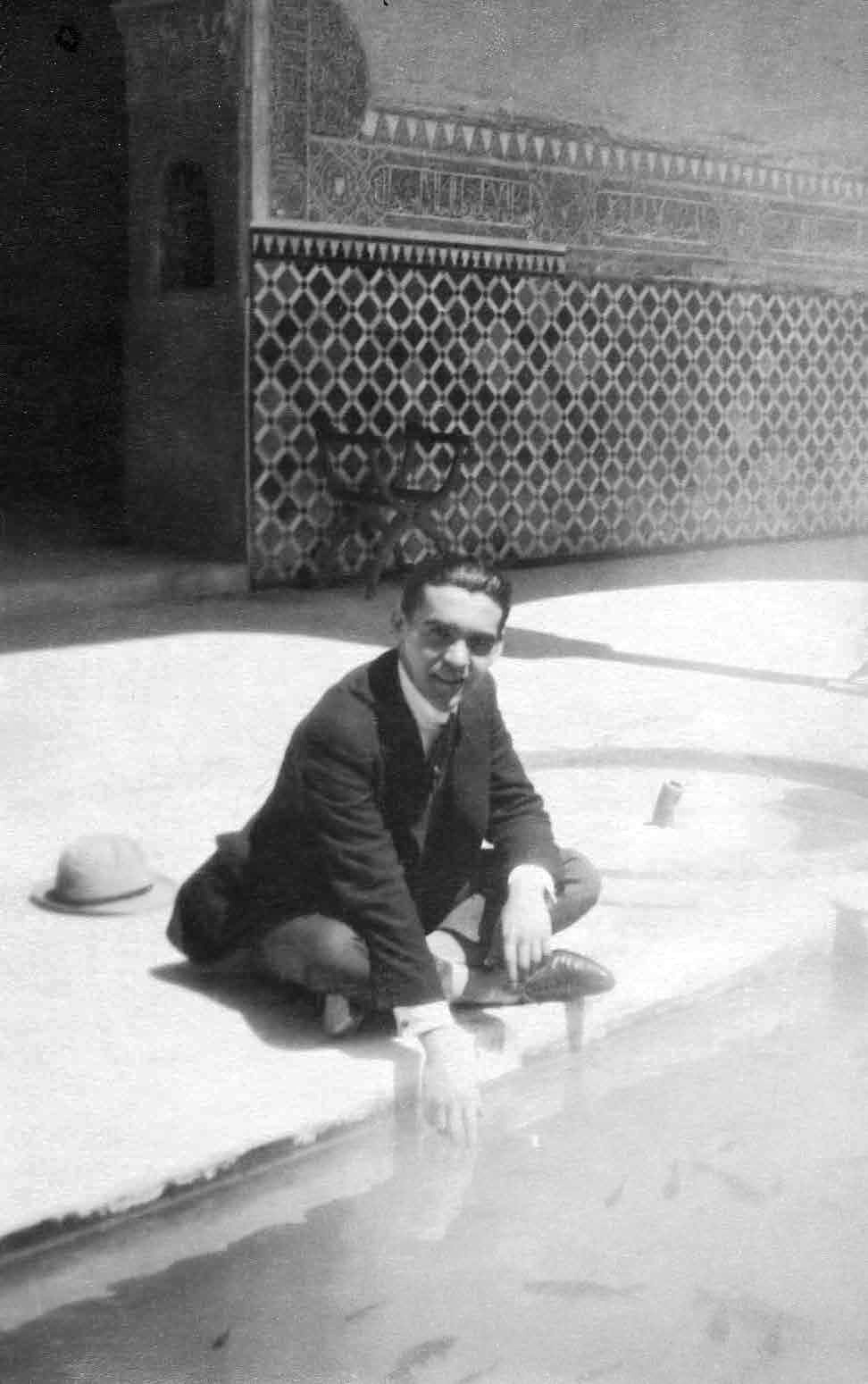 The contest that took place in 1922 in Granada
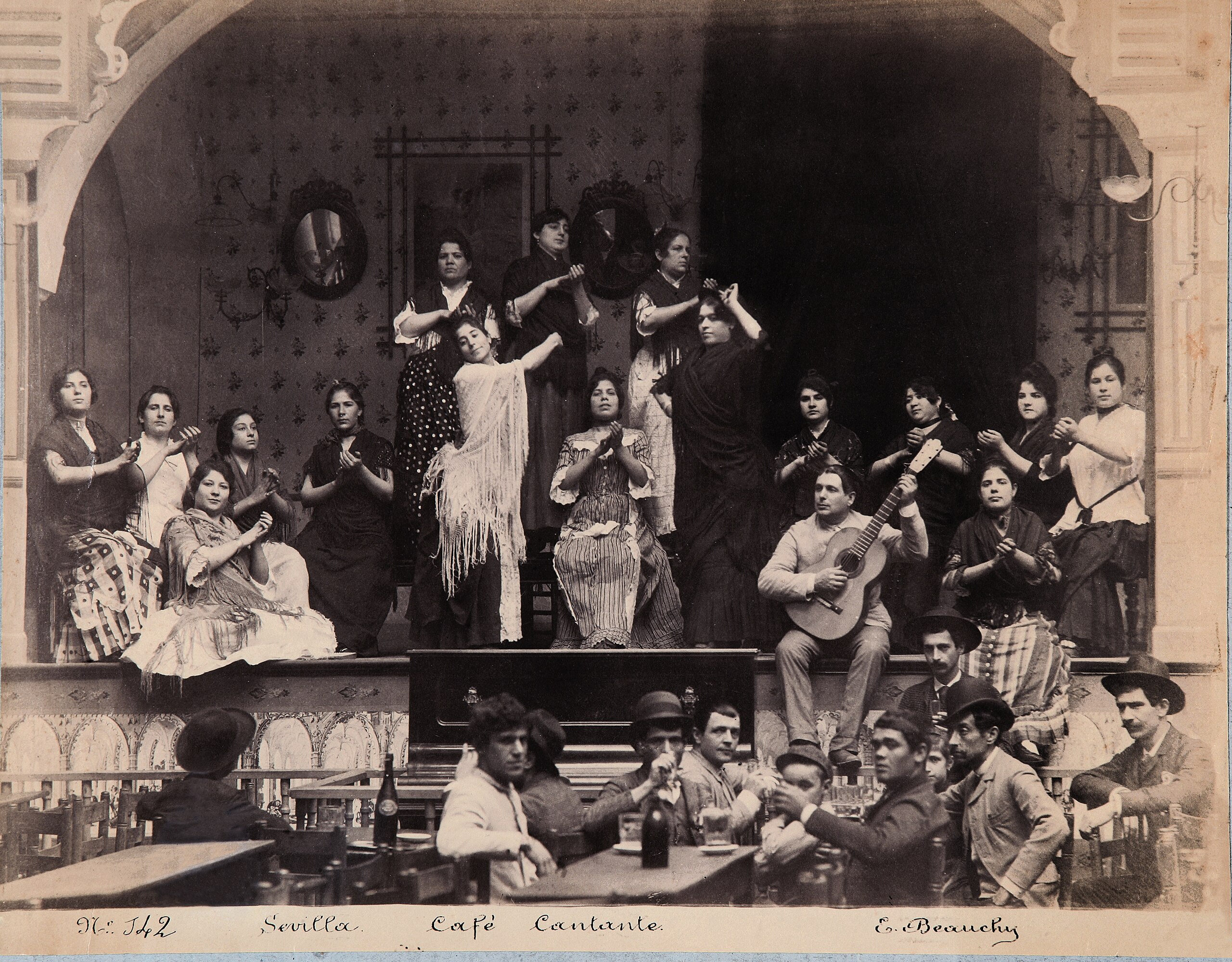 The great creators. The Golden Age. The Singing Cafes
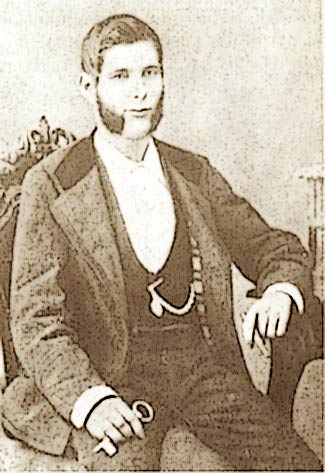 Evolution. Hermetic Stage. First singers
 Origin of the word “flamenco”
 First written references
 Musical background