



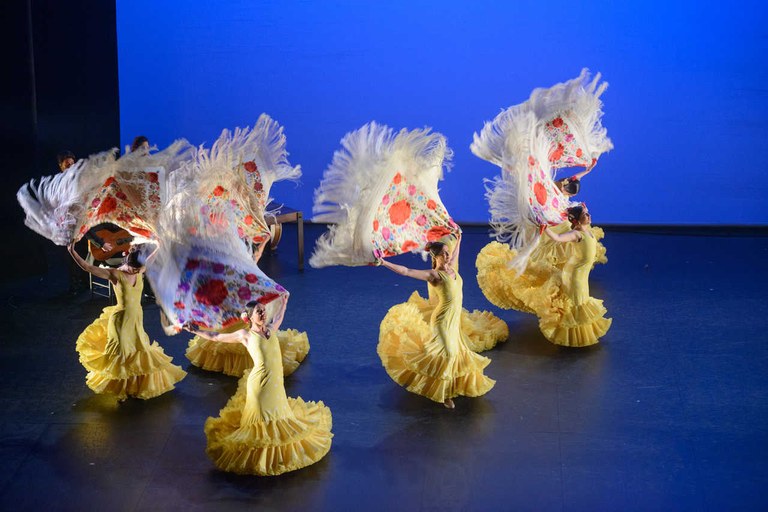
XXIV Flamenco Biennial
Artists
Jose Merce
José de la Tomasa
Martyrdom
Archangel
The Tremendita
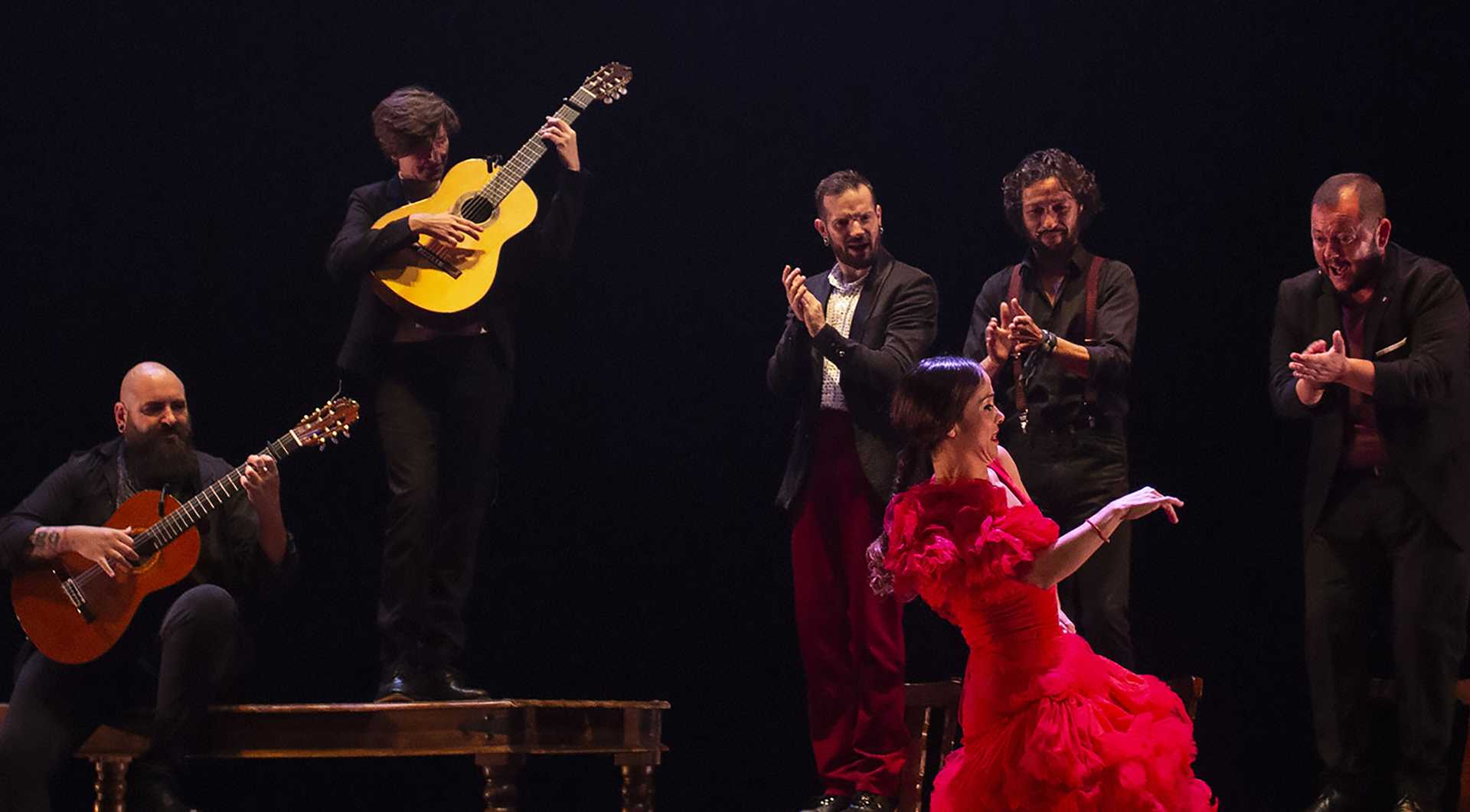
Flamenco Ballet of Andalusia with Patricia Guerrero
Angeles Toledo
From Perrete
Manuel de la Tomasa
Guitars: Manolo Franco, Alfredo Lagos and David de Arahal
Sax duo: Juan Jiménez and Alfonso Padilla
Percussion/claps: The Oruco, Abel Harana, Daniel Suárez and El Chupete
Artistic direction: Andrés Marín and Luis Ybarra
Description
“The world by montera” It is framed in the centenary of a transcendental context for flamenco.
In 1926 El Niño de Marchena signs for businessman Vedrines, becoming part of the shows of the so-called Flamenco Opera. That same year, Manuel Vallejo publishes the rumba “Catalina” and receives the II Golden Key to Cante, immediately after Manuel Centeno won the second edition of the Pavón Cup. And it also marks a century since the beginning of electrical recordings, which was a real shock for the recording industry. The La Voz de su Amo label increased the presence of flamenco in its catalog, that would reach more than 30% in 1929, while the theaters, cinemas and bullrings were packed with audiences eager to sing. In these large formats it was manifested alongside dance, the battles between saxophones, comedy and other expressions linked to entertainment.
Antonio Chacón and Manuel Torre were the teachers, those that connect directly with the figures of the 19th century who left no sound record. The Girl with the Combs, Manuel Vallejo, Pepe Marchena, Scene, Pepe Pinto, the Lame of Malaga, Carbonerillo, Jose Cepero, Medina Child, The Glory, Snail Boy, The Owl, The Estampío, Ramon Montoya, Niño Ricardo and a long etcetera, those who without a public address system and with the help of talent were going to take this genre to a golden dimension of creativity and popularity. At the dawn of the Generation 27, Vicente Escudero triumphs in Europe and La Argentinita returns to Spain after her tour of Argentina and France. These are times of avant-garde and development of the cabal as a performing art, while tones are heard in the little rooms, with Tomás Pavón, Juanito Mojama and other singers of genuine character in more intimate spaces. I fuck it up, in public, compete with the bullfights in the bullrings, thus expanding an art that transforms into a mass spectacle with the singing cafés behind us.
All of this invites us to celebrate without nostalgia a century of flamenco in the light of hundreds of eyes and moons.. Of ears willing to receive the voices that broke a silence that has never happened again.
The Flamenco Opera, the flamenco of the years 20, It was called that for two reasons.. First, for elevating this culture. In popular terms: dress the tuxedo song, like Marchena did Gardel style. Give it a superior appearance. Hidden, by the way, which per se I already had, but he would not be recognized so easily. On the other, to take advantage of the tax reduction that the opera enjoyed, which was then encumbered with a 7% versus varieties, who paid taxes to 10%. The reality, in any case, is that these shows had a lot of flamenco and no opera. A case of unprecedented mischief, Well, that didn't just work, but it changed Spanish music forever.
Contrary to what some think, Flamenco Opera is not an open and mixed format in which only fandangos and palos were performed back and forth.. Although songs like the soleá and the seguirilla were not the most in demand by the public, they do appear in the repertoires along with the tientos, tangos, snails, joys, tarantas, marianas, cudgels, peteneras, arrows, malagueñas, granaines, bulerías, poles and rods, among many others. This is also completely paradoxical.: the Granada Competition 1922 was organized to recover the supposed lost essences, fandangos are prohibited in it, considering them something folkloric.. a few years later, fandango reaches its peak, consolidating itself as the most famous song for decades.
With all this behind you, “El mundo por montera” does not try to relive that moment, but rather revisit it. Take the atavistic modernity of aromas that still smell to contemplate the idyllic from another place with great figures of today. This is a timeless woe among what lives in oblivion. The communion of the fan with his loves. a party, above all, on the shoulders of history. Legacy virtue is celebrated without showcases. The living museum of blood. The stealthily apart. Also a harmonious architecture that entered the arena to draw wounds that are still open.. Collecting pearls by the thousands may be the main intention. Recreate them, expand them, inhabit them. Feel them so deeply that we end up seeing ourselves in this sublime tension that involves the search for the center and the stone..
Luis Ybarra
Biennial Director
Thursday 10 September 2026 – Real Maestranza Bullring: 21:30 hours
 Sevilla
 Málaga
 Jaen
Jaen Huelva
 Granada
 Córdoba
 Cadiz
Cadiz Almeria
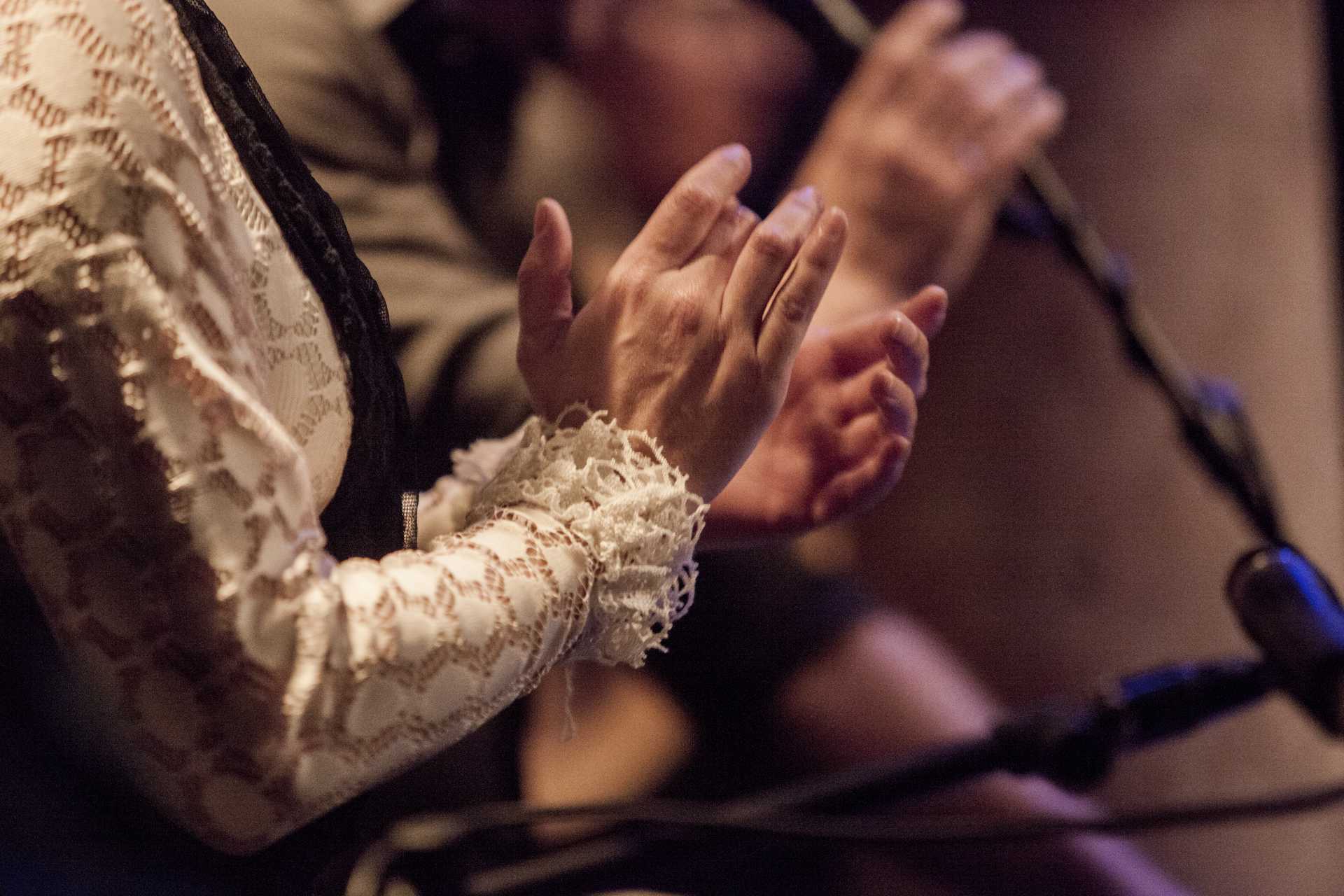 A tourist and cultural vision of flamenco
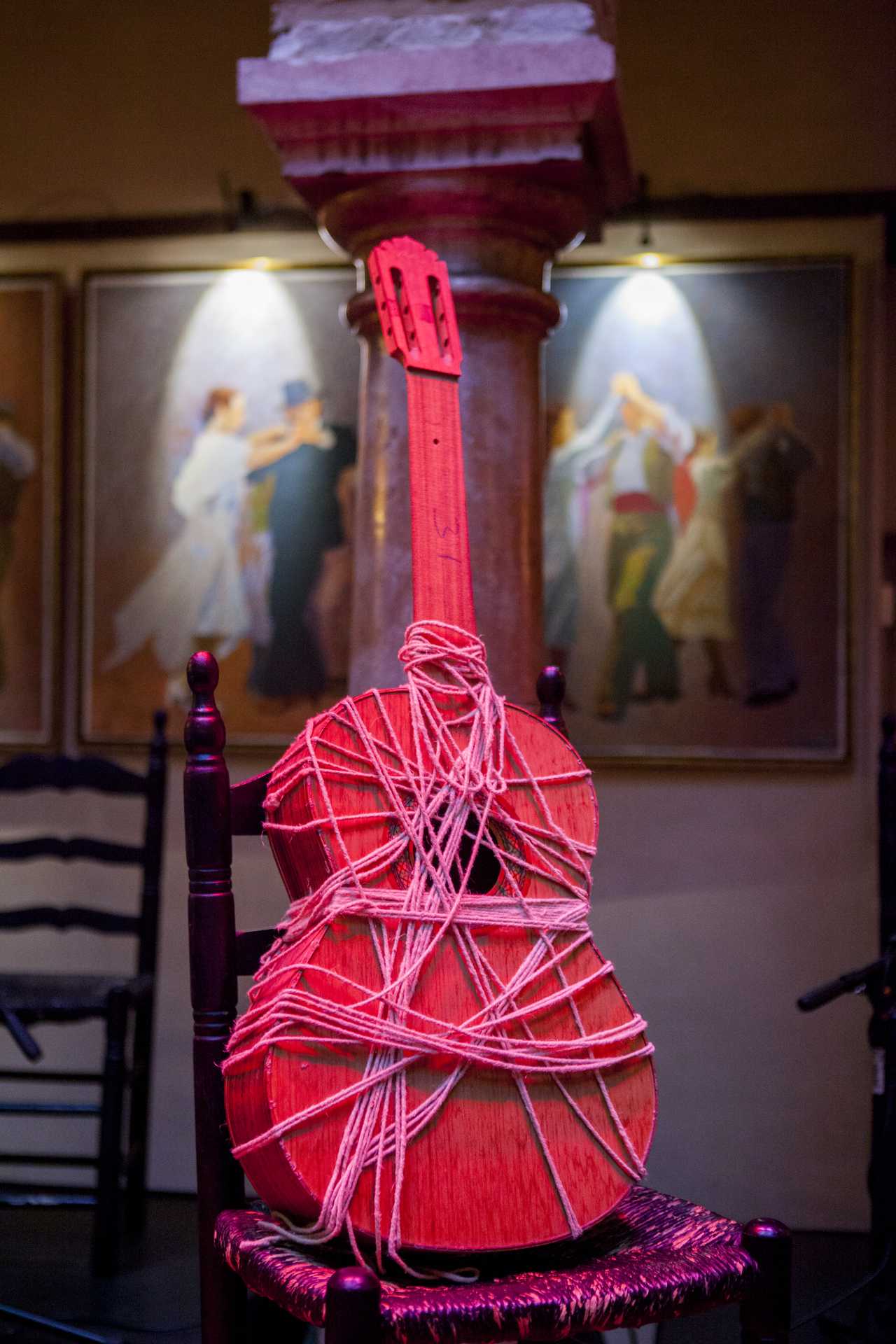 The Guitar, last to join.
 The history of flamenco with respect to its geographical distribution
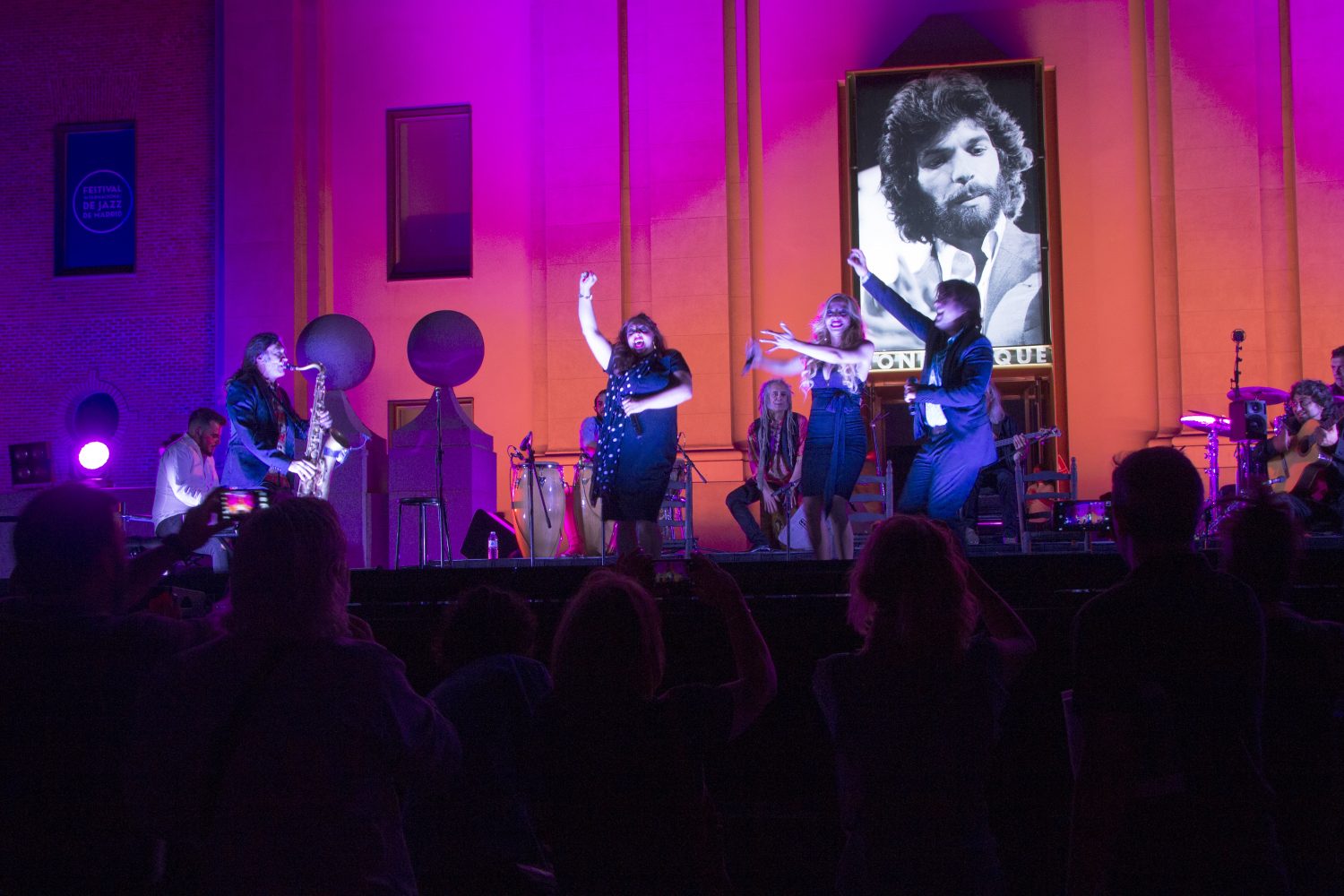 The present and future of the genre. The Fourth Golden Key of Singing.
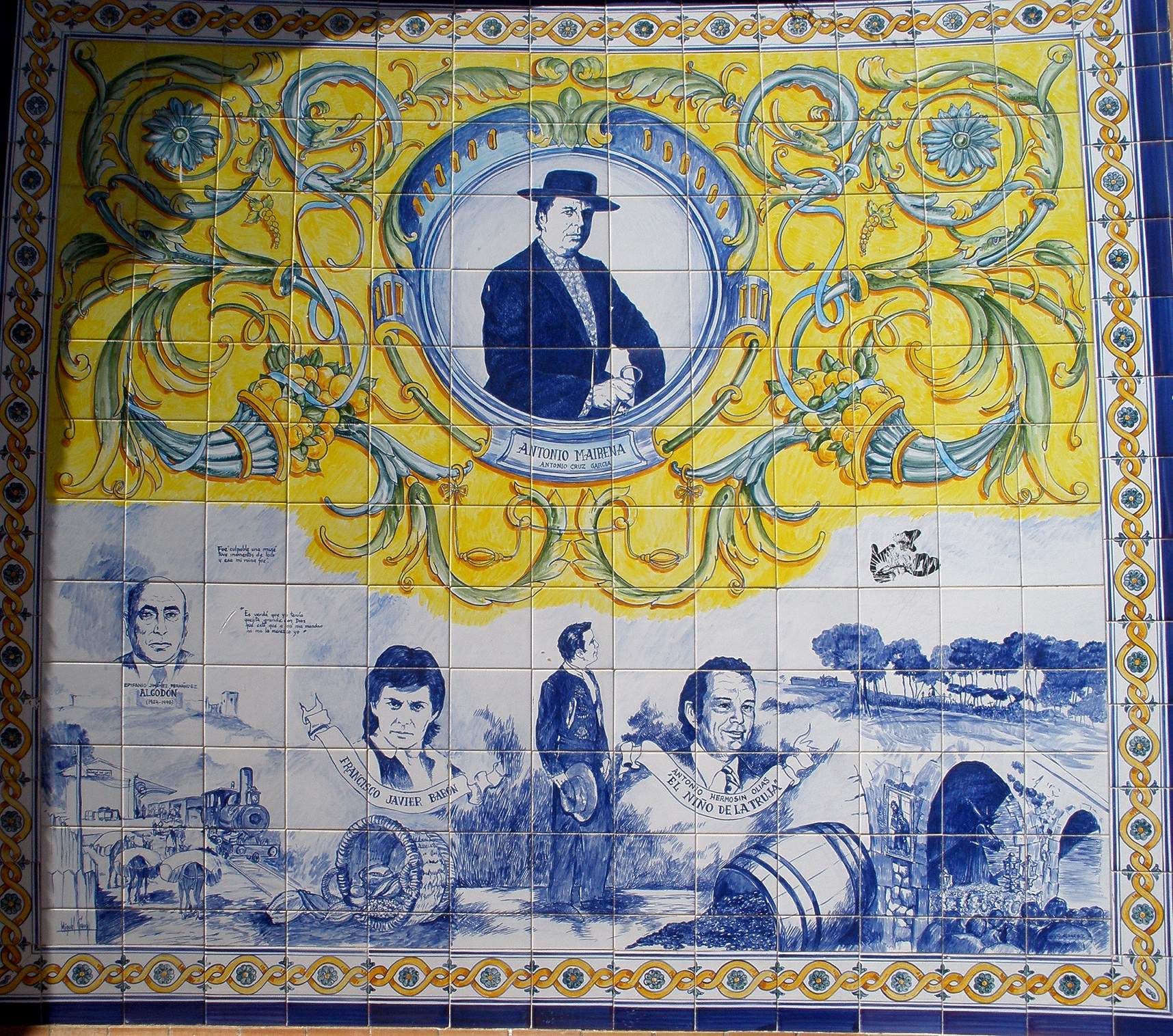 The festivals
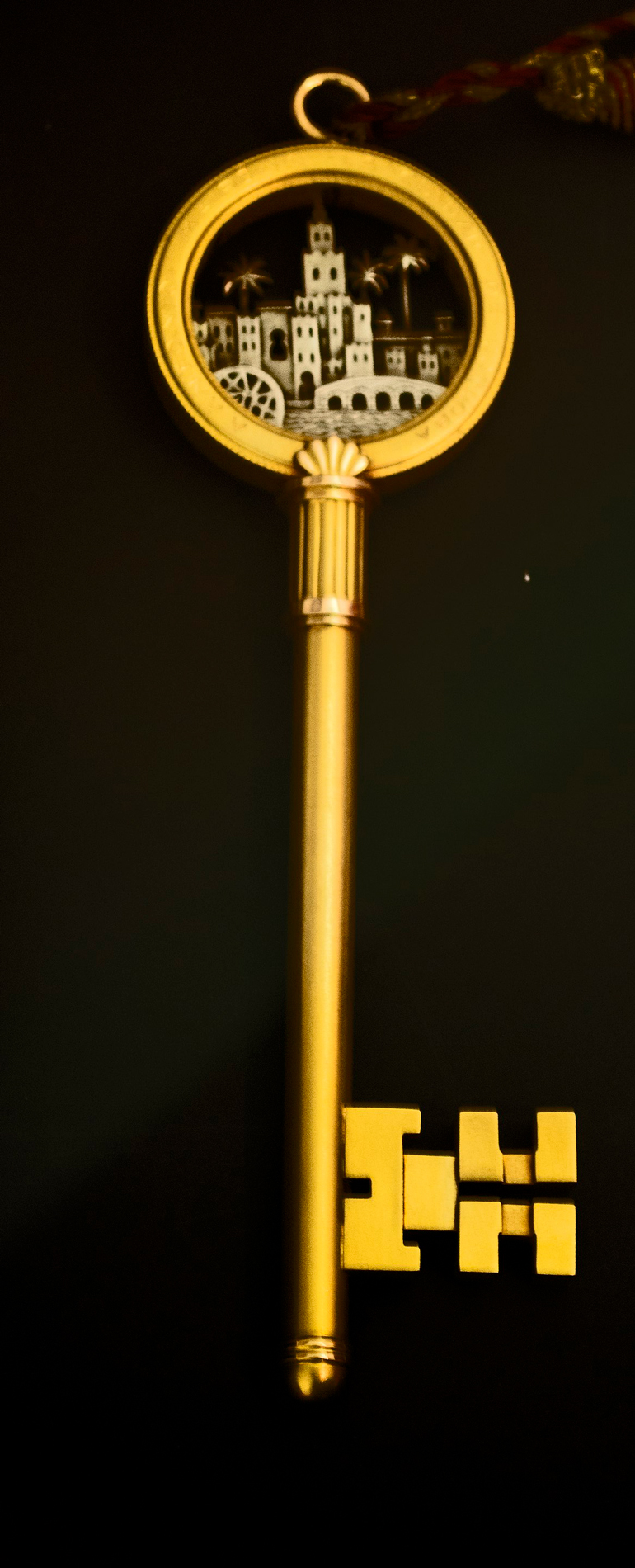 Revaluation of flamenco. Third Golden Key of Singing
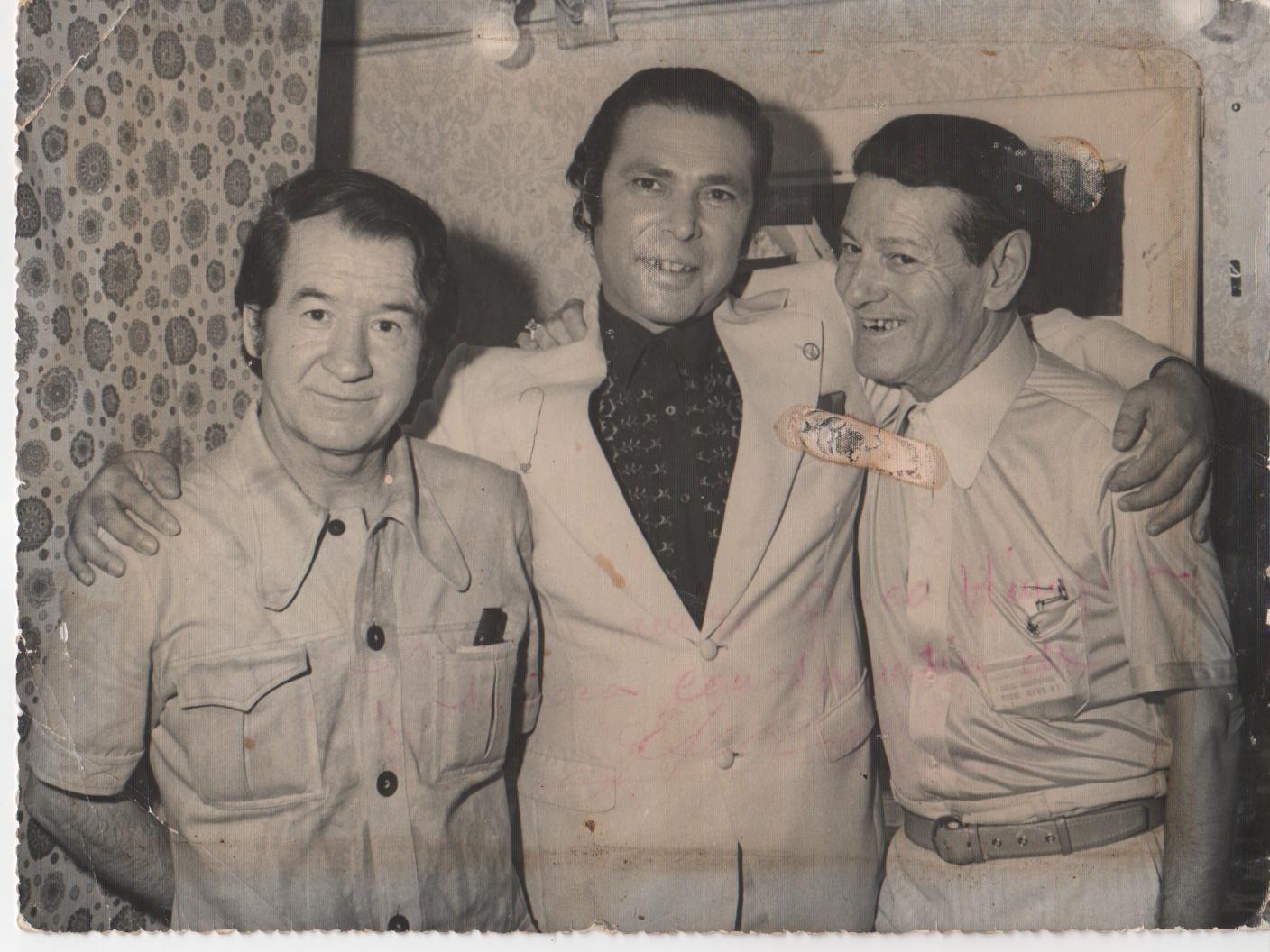 The Flamenco Opera
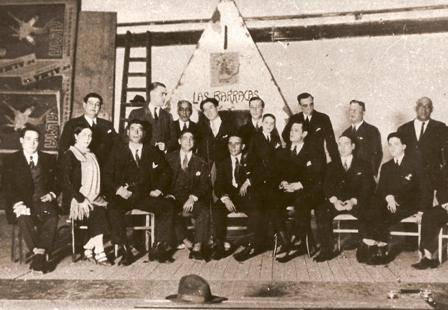 Flamenco in Madrid. The Pavón Cup. Second Golden Key of Singing
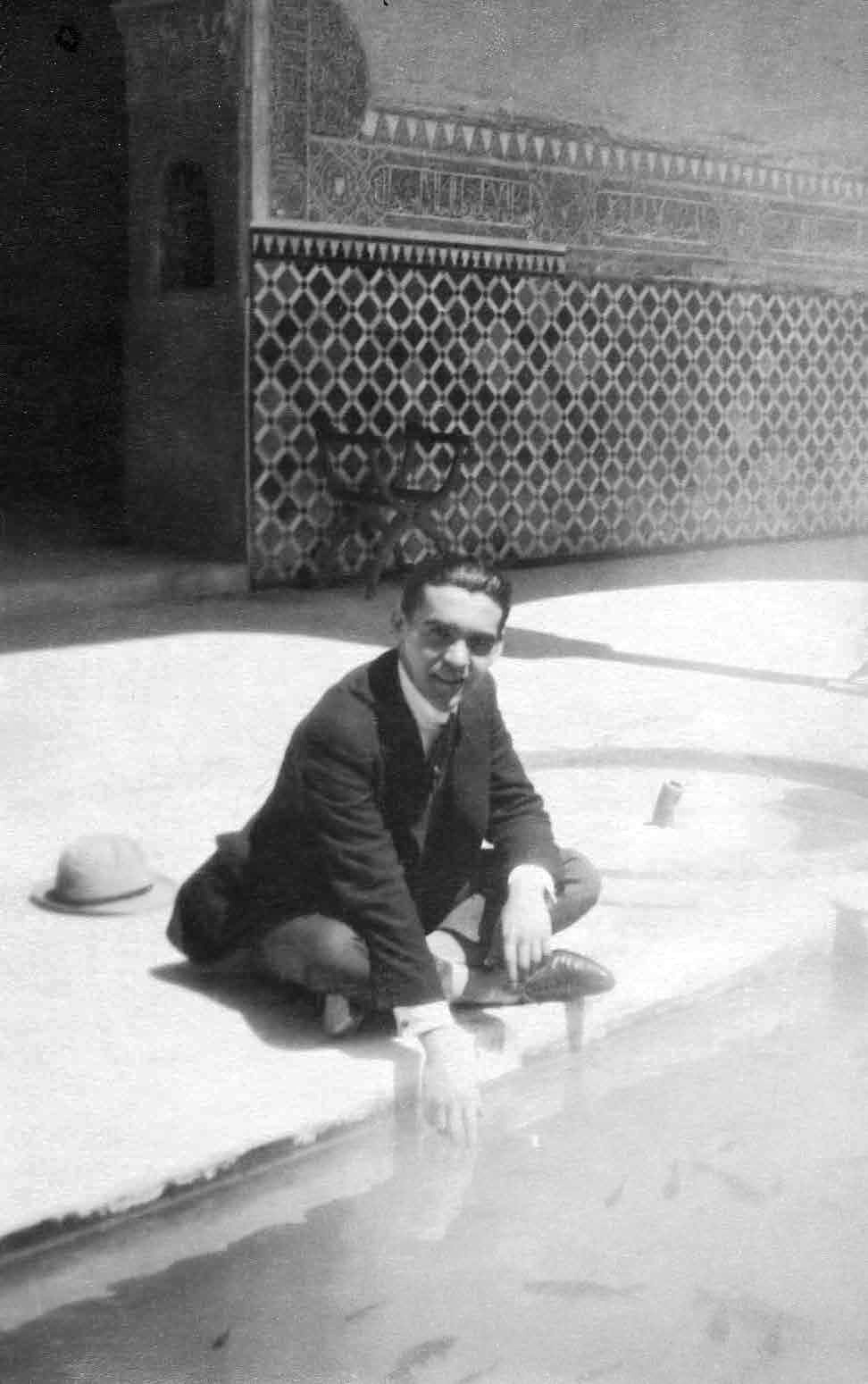 The contest that took place in 1922 in Granada
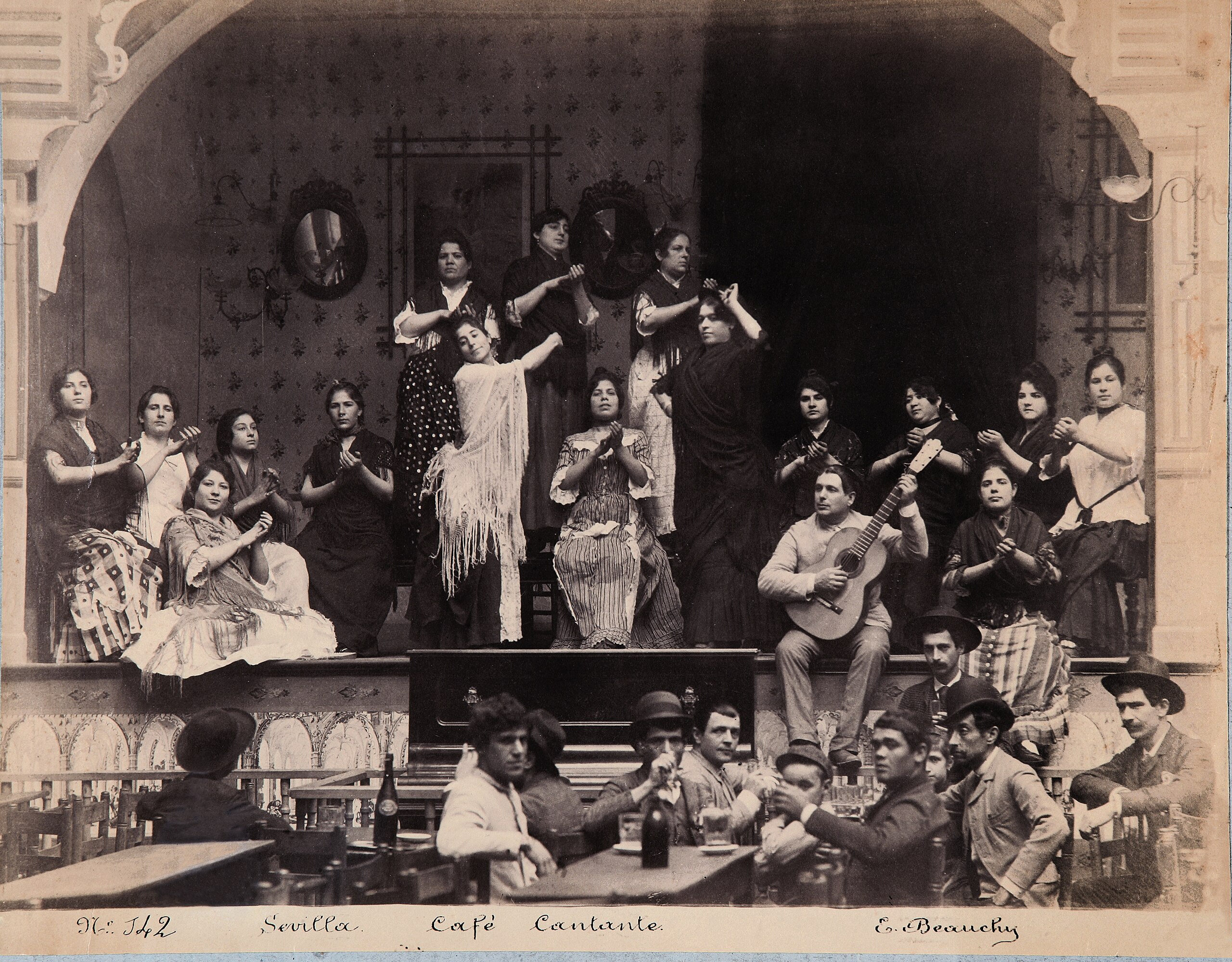 The great creators. The Golden Age. The Singing Cafes
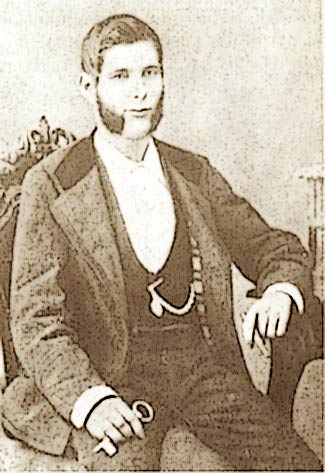 Evolution. Hermetic Stage. First singers
 Origin of the word “flamenco”
 First written references
 Musical background