



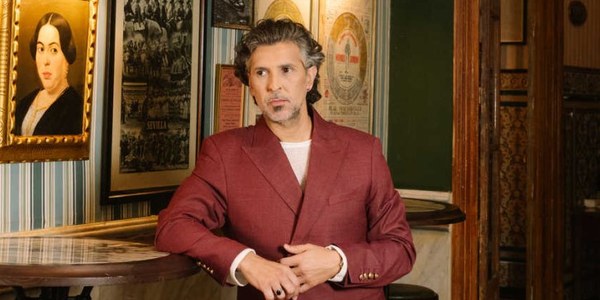
XXIV Flamenco Biennial
There are many figures of Flamenco art, especially those belonging to the first period of the 20th century that, apart from its unquestionable respect for the most traditional roots, They have naturally taken a look at a genre as popular as the copla. Numerous recordings of the most illustrious artists remain as testimony, probably motivated by various motivations such as achieving a greater share of popularity and making their talent reach another type of different and heterogeneous audience., among others. Surely also, out of their own conviction of the high quality that the compositions created expressly by and for them treasured.
This approach also did not imply any loss of identity..
Far from sweetening the emotional and dramatic charge of Flamenco to adapt to the language of the other genre, They chose to give it all the flamenco possible , treating them in their interpretation with the same passion and courage as Cante Jondo.
This is how it is born, in my opinion, a subgenre with recognizable nuances of songs and copleros but endowed with a lot of substance.
Thus , This new adventure leads me to do, out of pure desire and admiration, a review of all that repertoire that swings between Flamenco and Copla as well as, to the most significant traditional songs of its interpreters. From Marchena, Snail, Pepe Pinto, gutters, The Sevillian, to the Paquera, Adela the Jacket etc.…
Archangel
Thursday 17 September 2026 – Lope de Vega Theater: 20:00 hours
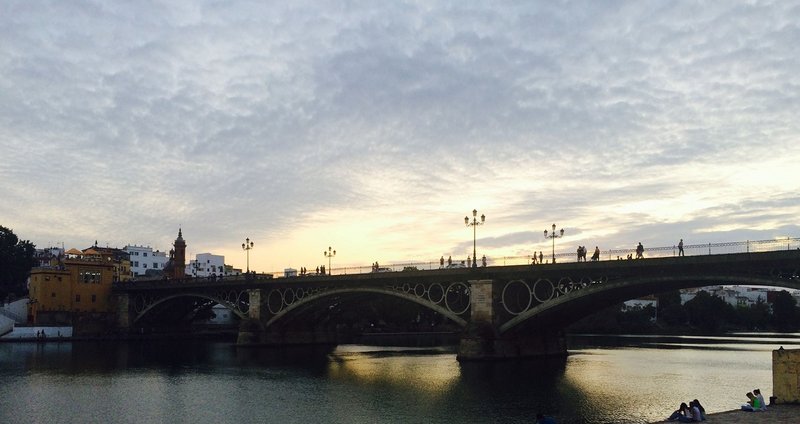 Sevilla
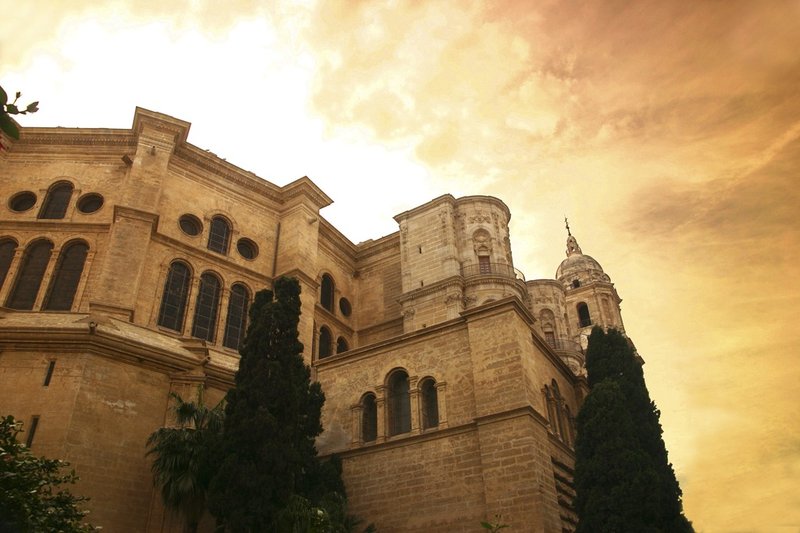 Málaga
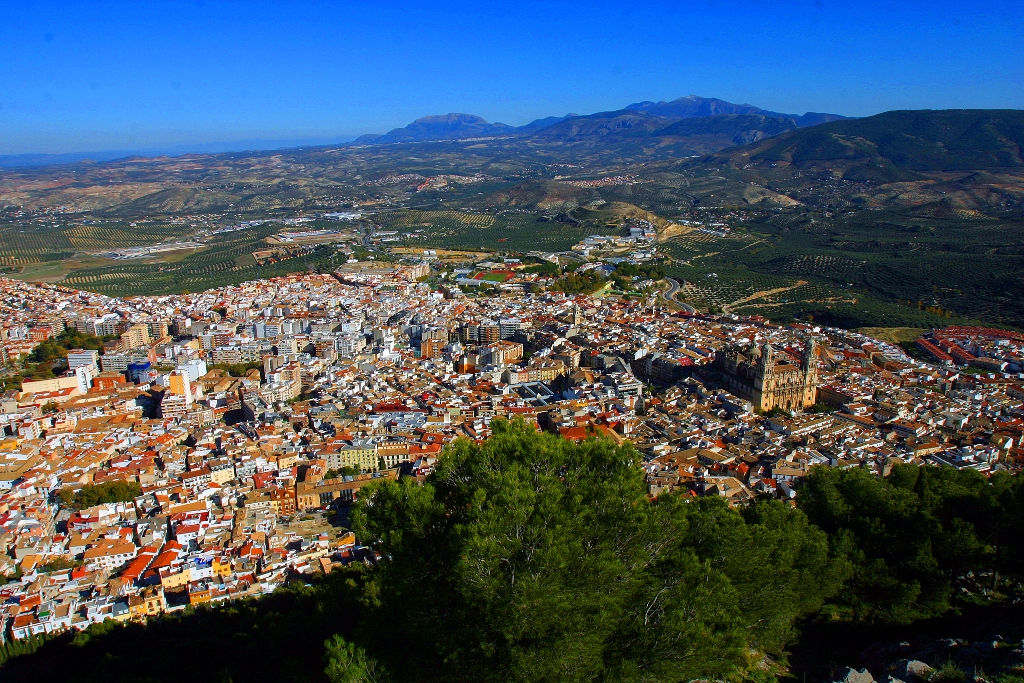 Jaen
Jaen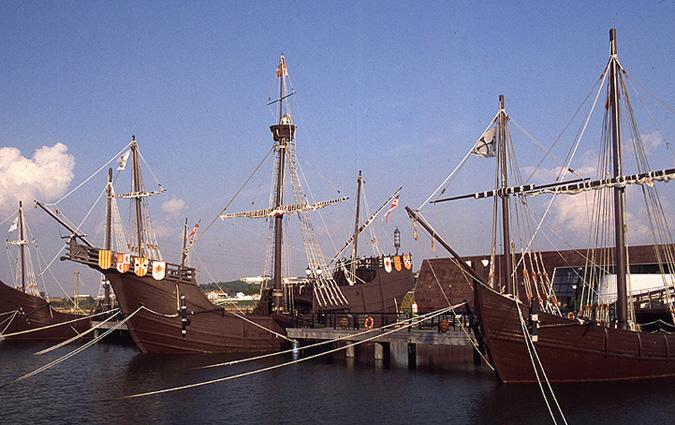 Huelva
 Granada
 Córdoba
 Cadiz
Cadiz Almeria
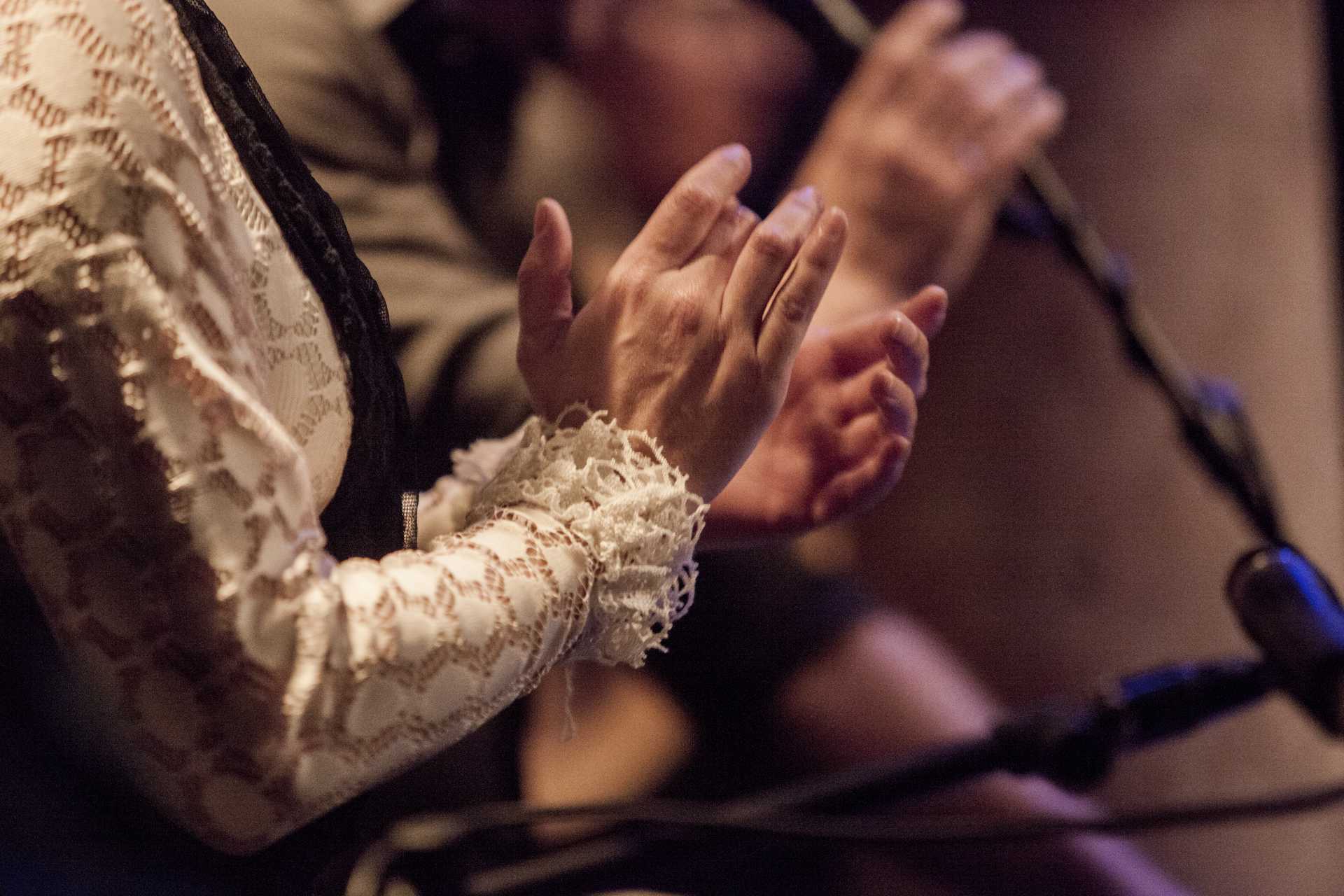 A tourist and cultural vision of flamenco
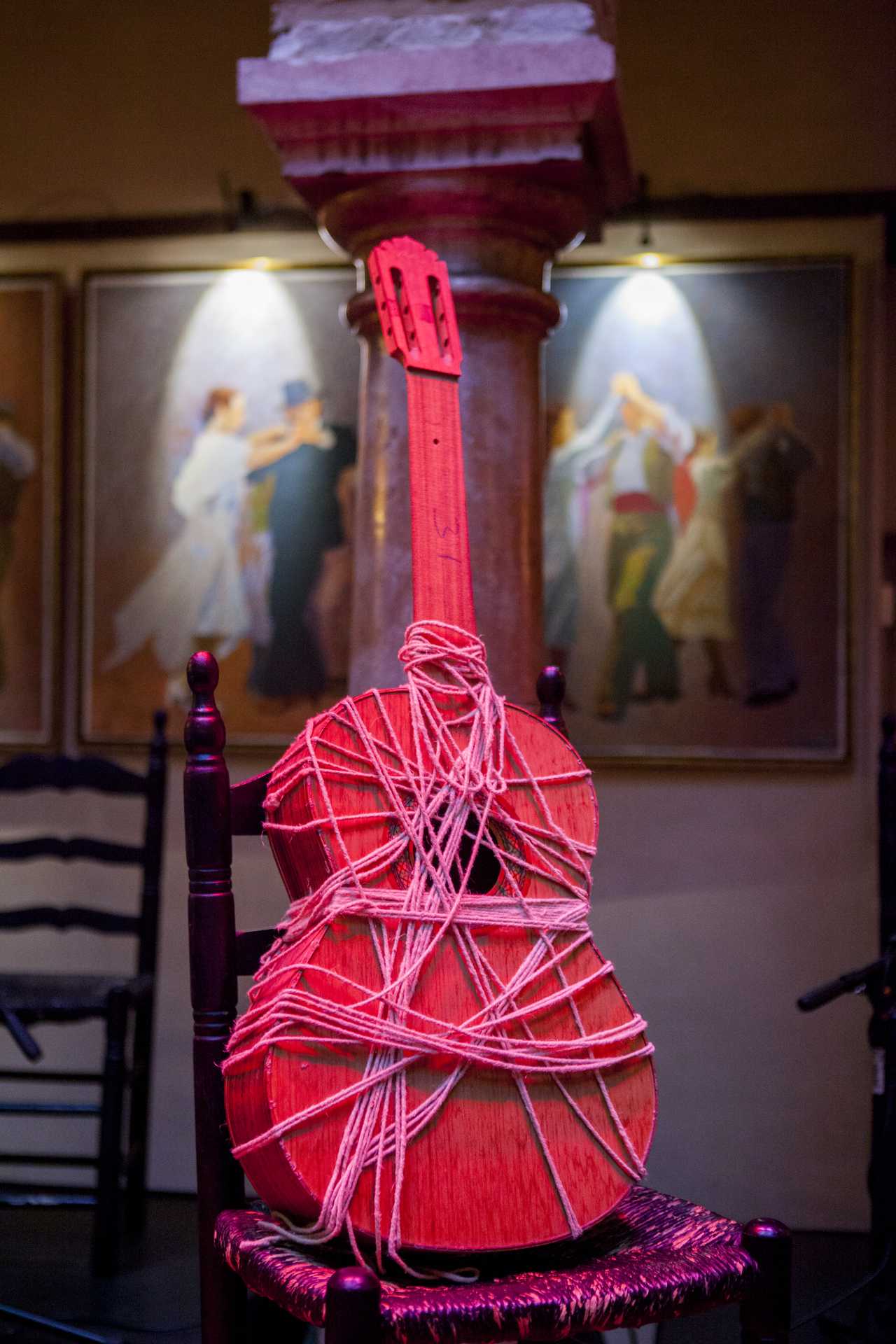 The Guitar, last to join.
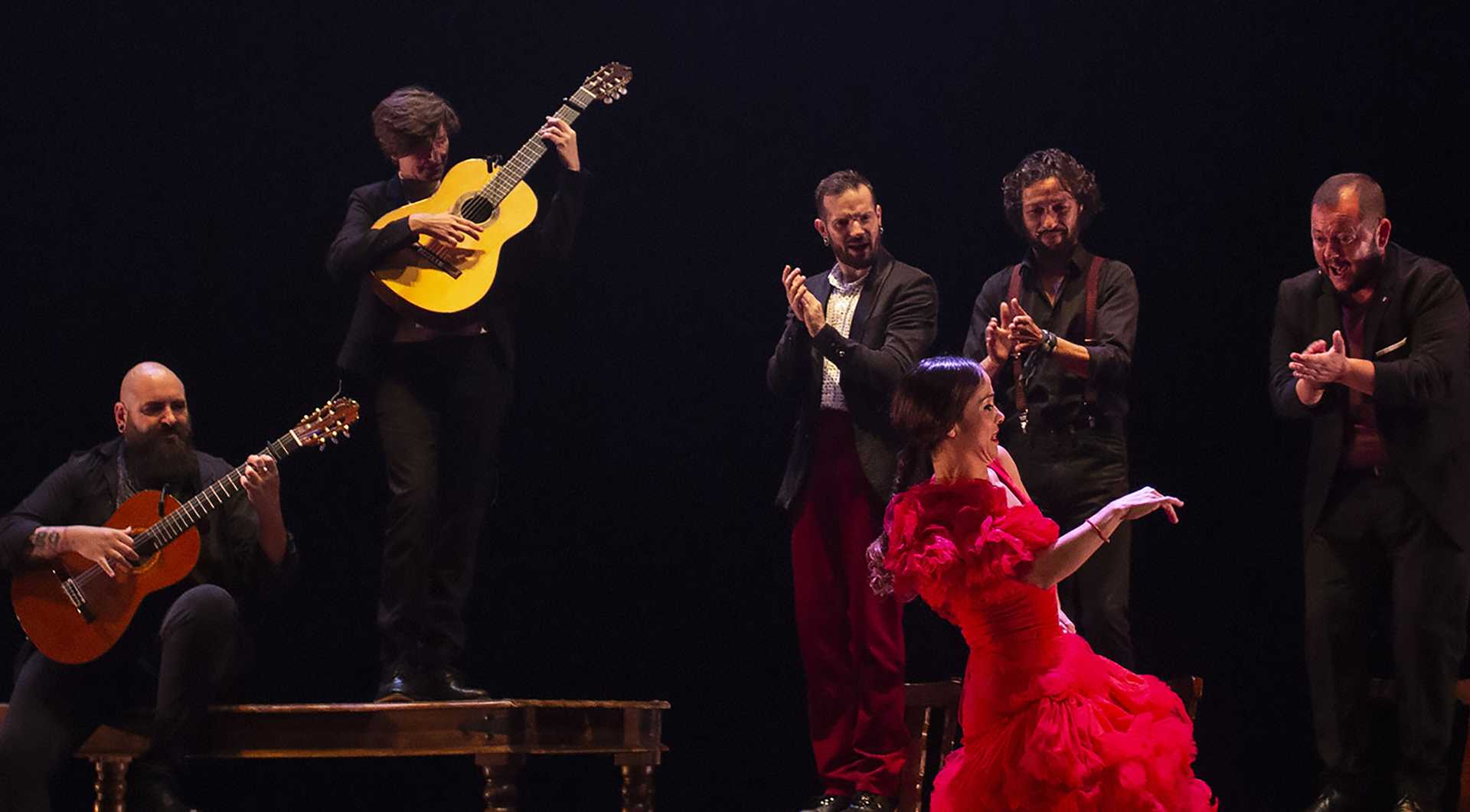 The history of flamenco with respect to its geographical distribution
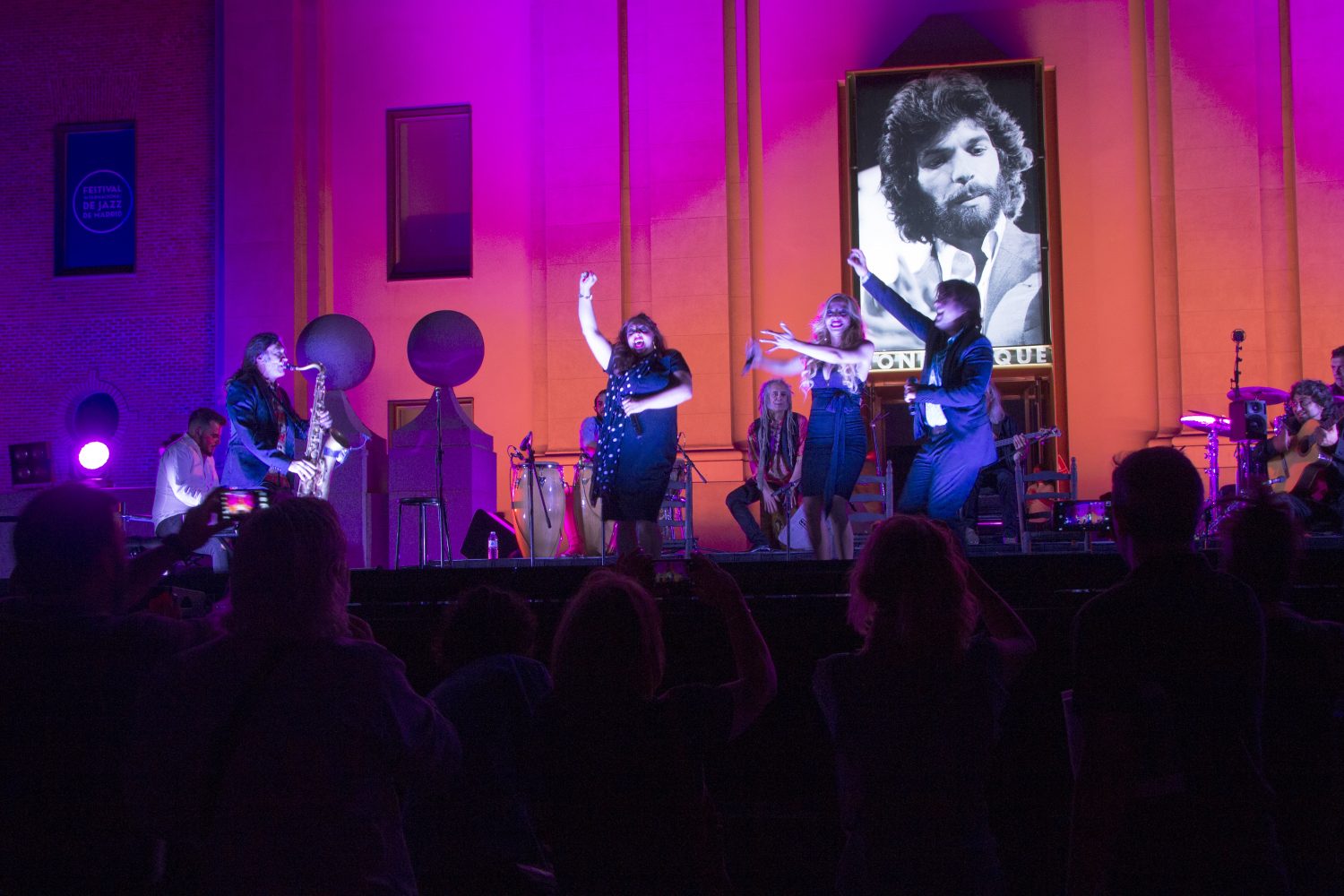 The present and future of the genre. The Fourth Golden Key of Singing.
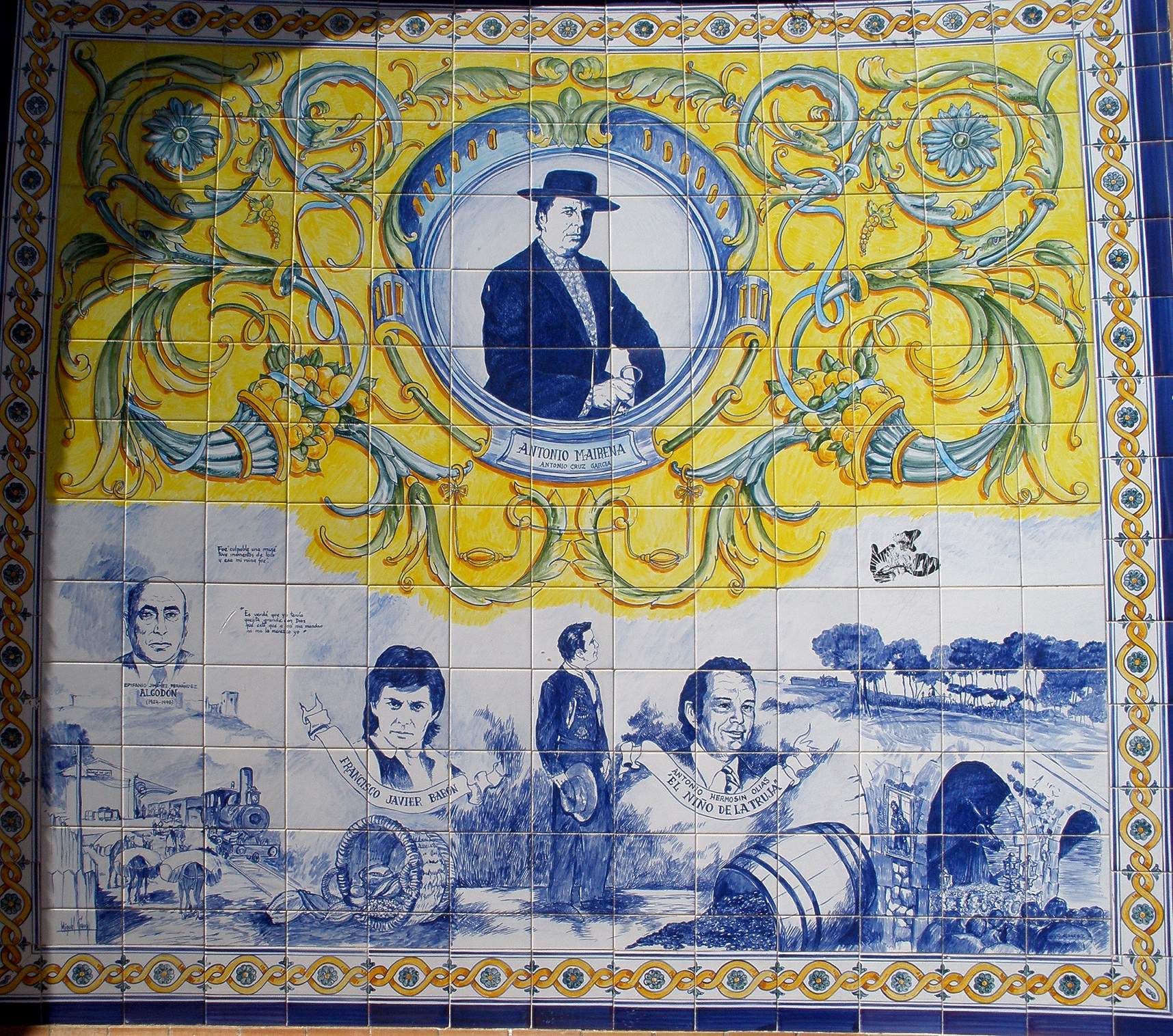 The festivals
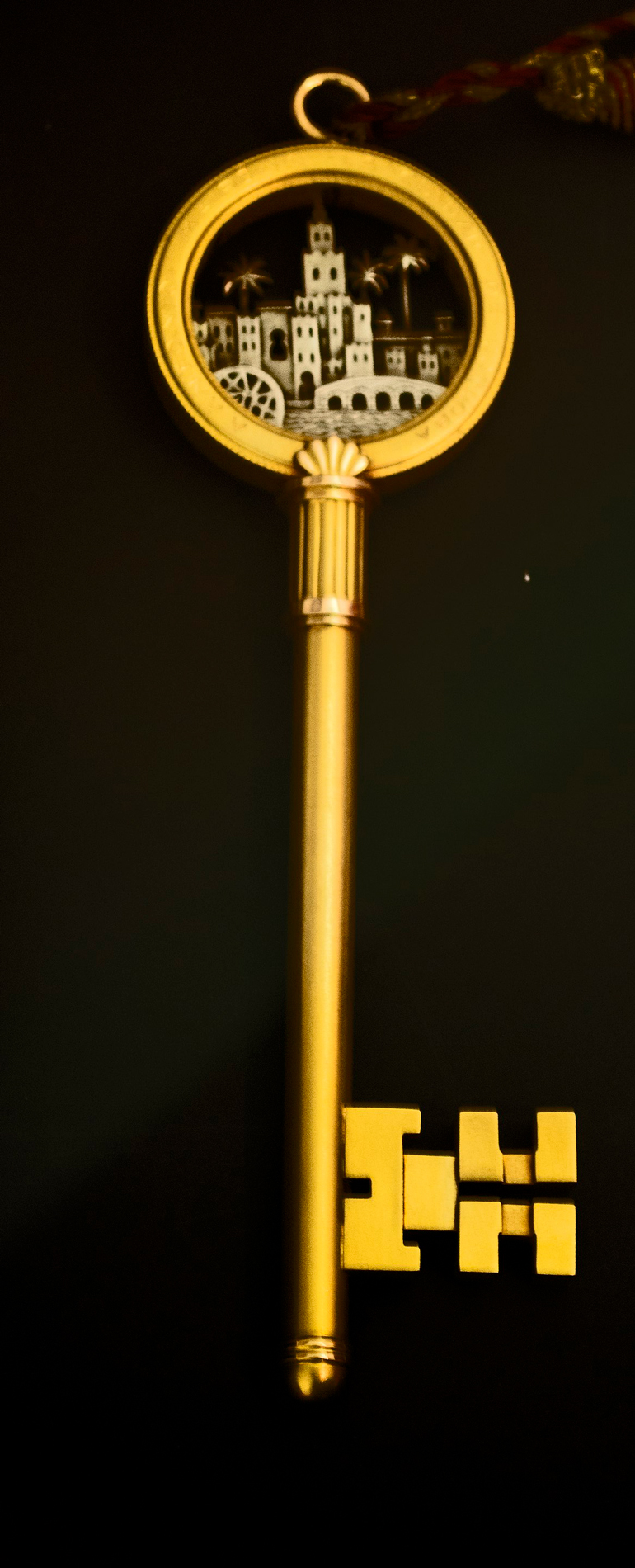 Revaluation of flamenco. Third Golden Key of Singing
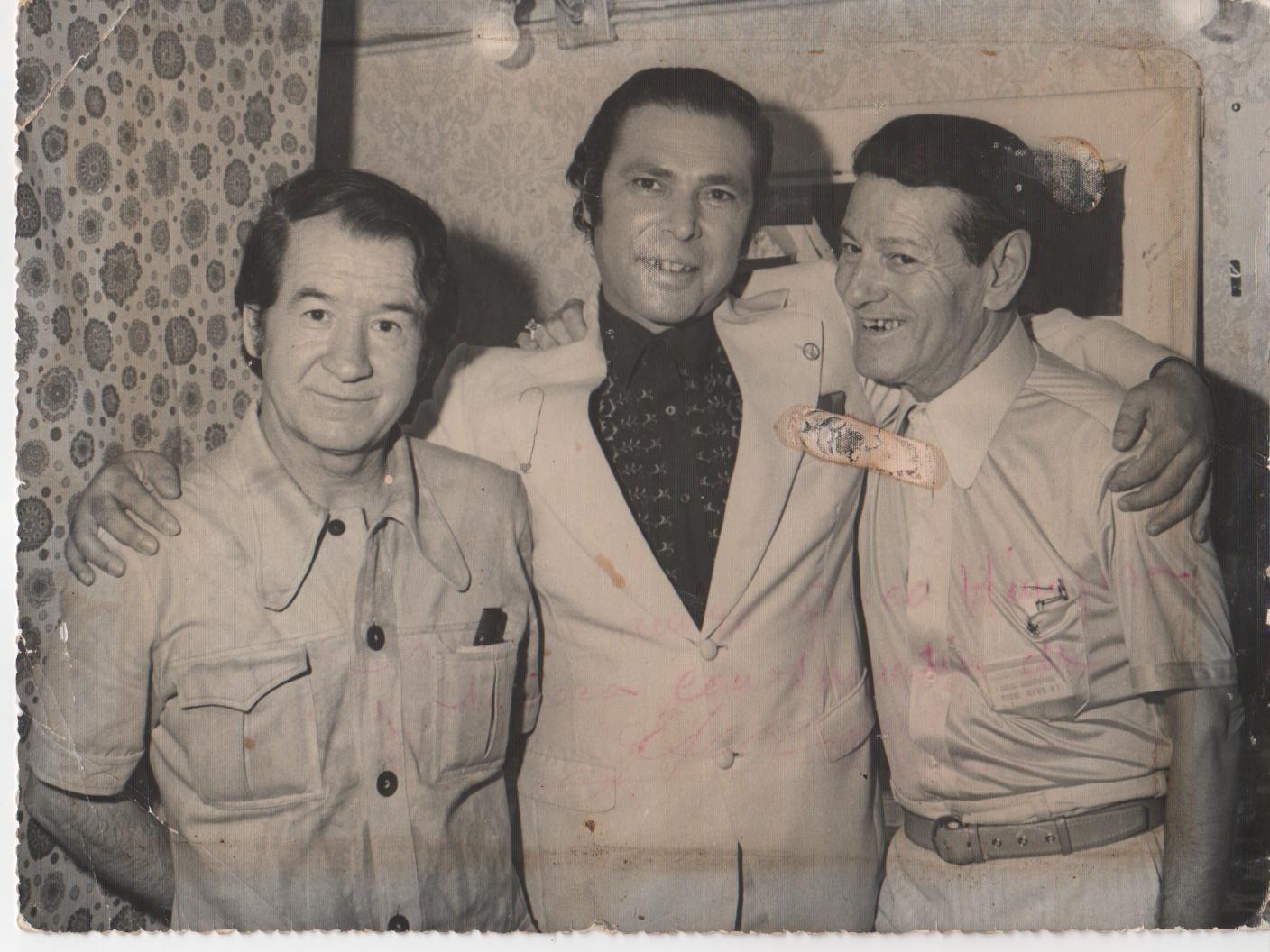 The Flamenco Opera
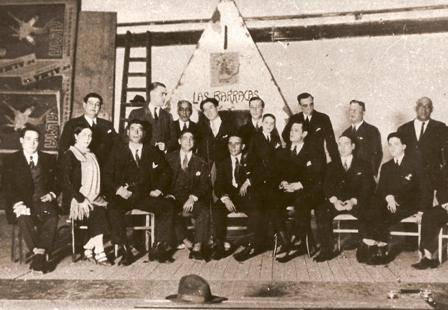 Flamenco in Madrid. The Pavón Cup. Second Golden Key of Singing
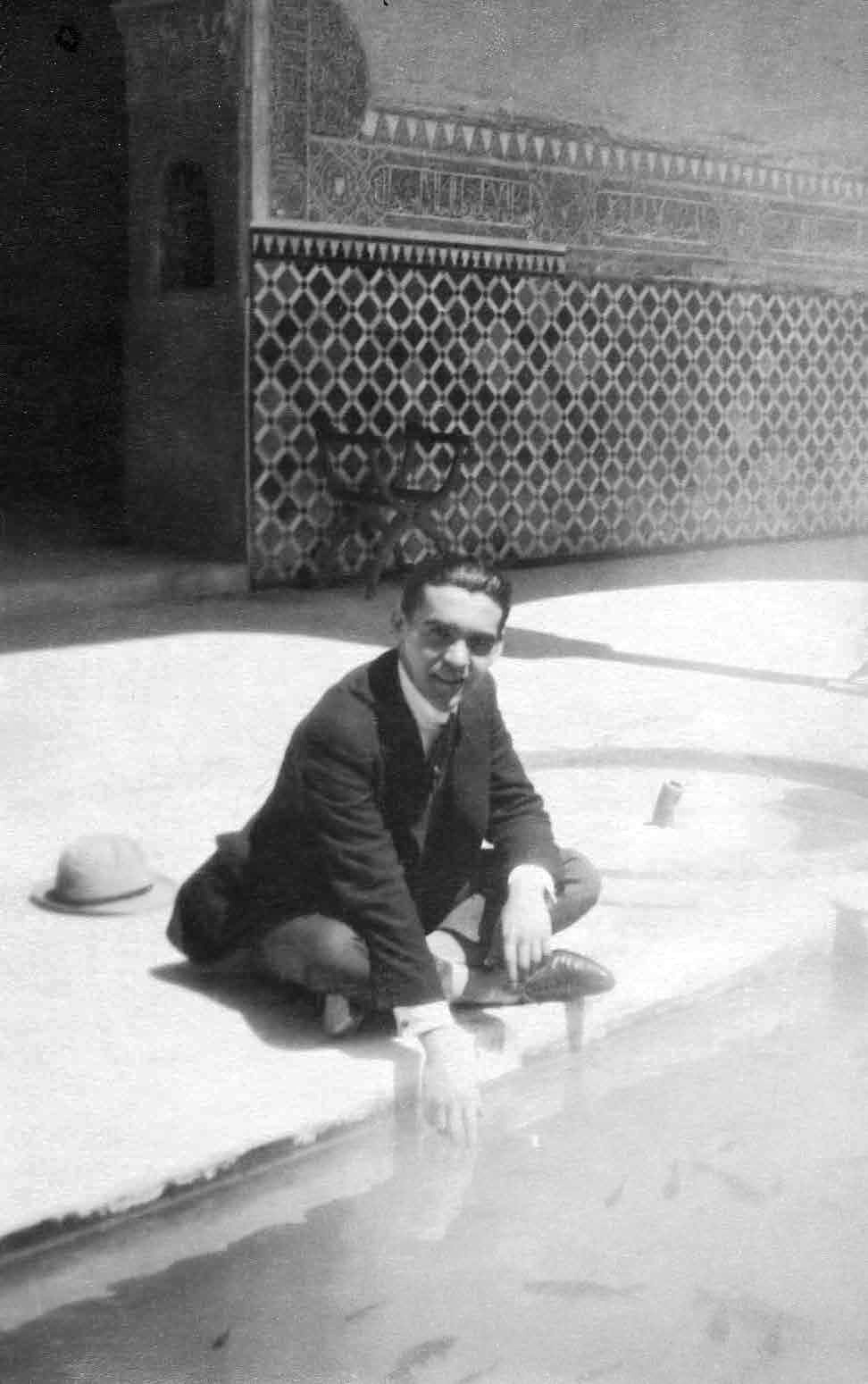 The contest that took place in 1922 in Granada
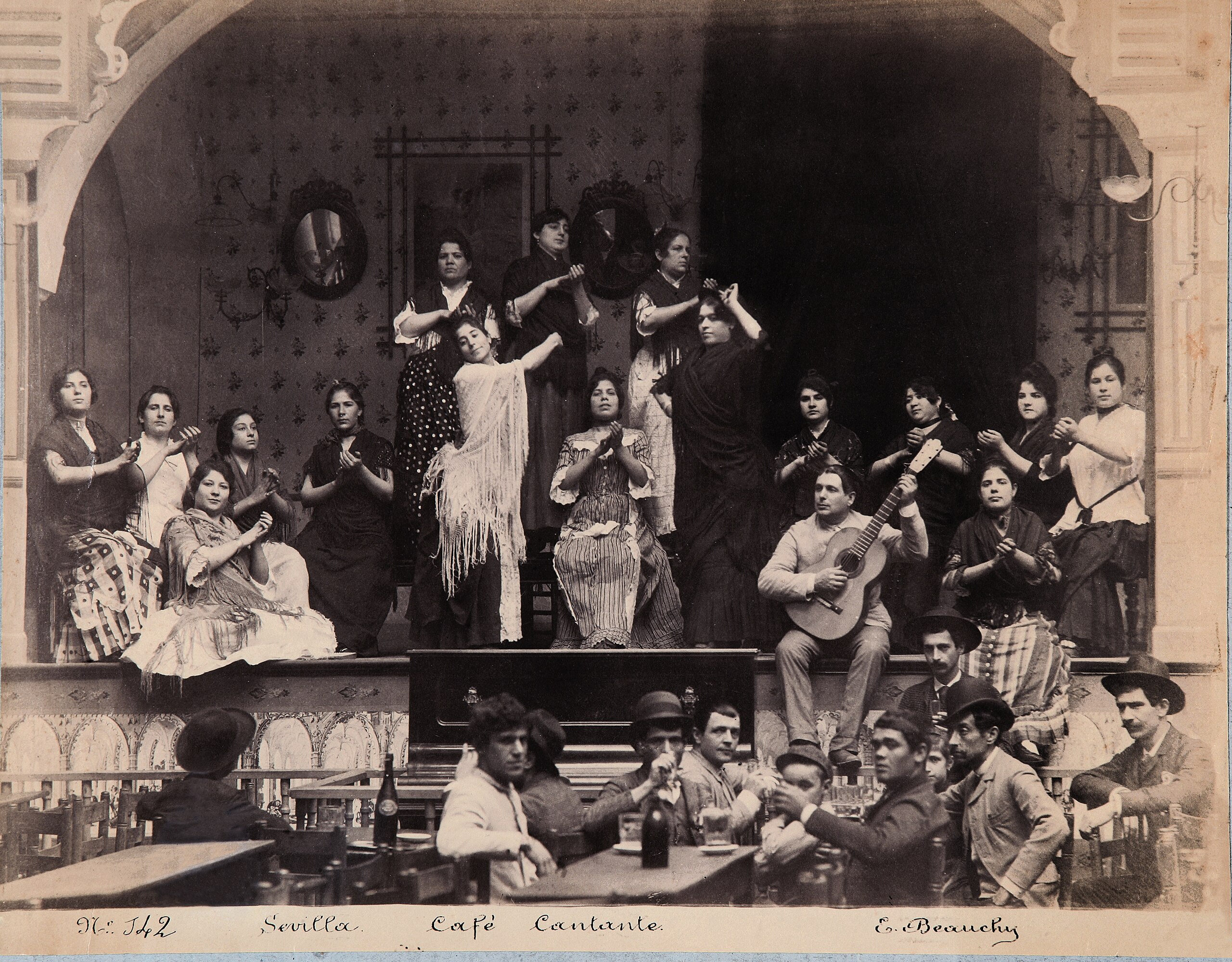 The great creators. The Golden Age. The Singing Cafes
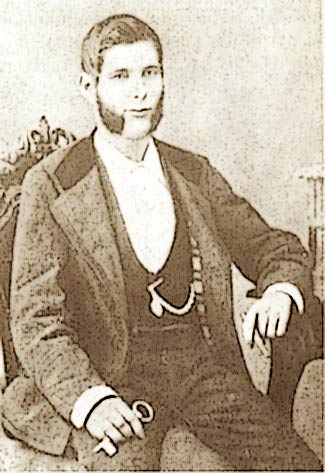 Evolution. Hermetic Stage. First singers
 Origin of the word “flamenco”
 First written references
 Musical background