



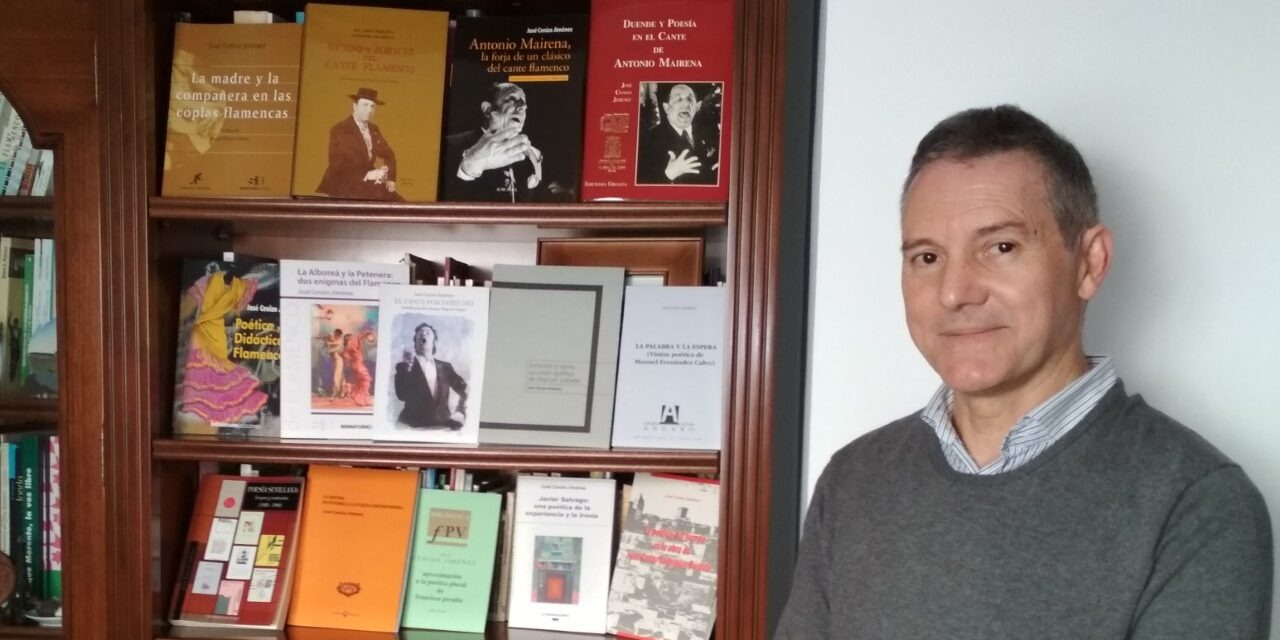
With more than twenty published titles and a long career in the world of teaching, the poet and researcher José Cenizo presents Flemish poet. Chow to make lyrics for singing, a work published by Colibrí Ediciones and that promises not to be just another book in flamenco teaching., but a reference in the composition of flamenco lyrics. The author has included a variety of activities, songs and multimedia content (via QR codes), where has he put, just as he tells us, his flamenco heart, his teaching vocation and the three arts combined in the work: music, poetry and didactics.
What would you say differentiates this work from any other about flamenco singing and its didactics??
I certainly think it has its originality.. It's more, That's where the idea of it comes from.. The editor proposed it to me, Manuel Ramos Ramos, by Colibrí Ediciones, thinking that there was no book specifically dedicated to how to make lyrics for flamenco singing. Management, for hobby and for being a researcher and critic of flamenco books, lots of bibliography, and I haven't found one similar, focused in depth and throughout an entire book on the creation of flamenco lyrics or couplets. There are teaching books, Of course, I have published some myself, where their literary characteristics are discussed, but in a more general context.
José Luis Rodríguez Ojeda, author of the prologue, states in it that you know a large number of letters by heart. Do you remember the first song you learned?? When and how was it?
Bueno, I appreciate your words in the prologue. I became interested in flamenco shortly before I was twenty., and I'm sixty-four, after listening to a flamenco club in my town, Stops (Sevilla), to the singer Miguel Vargas, of whom I would later make a book and who would become my favorite singer. Remembering the first lyric that stuck in my mind is difficult, but yes I could point, on the one hand, some performed by Miguel, or by José Domínguez el Cabrero, who was another of my youth idols. Let's take for example, respectively, a lyric for soleá by Moreno Galván in Miguel's cante and another from a fandango by Elena Bermúdez, the goatherd's wife:
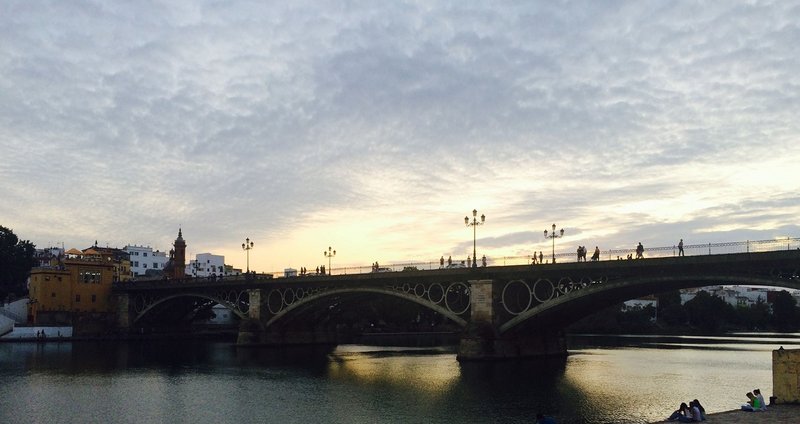 Sevilla
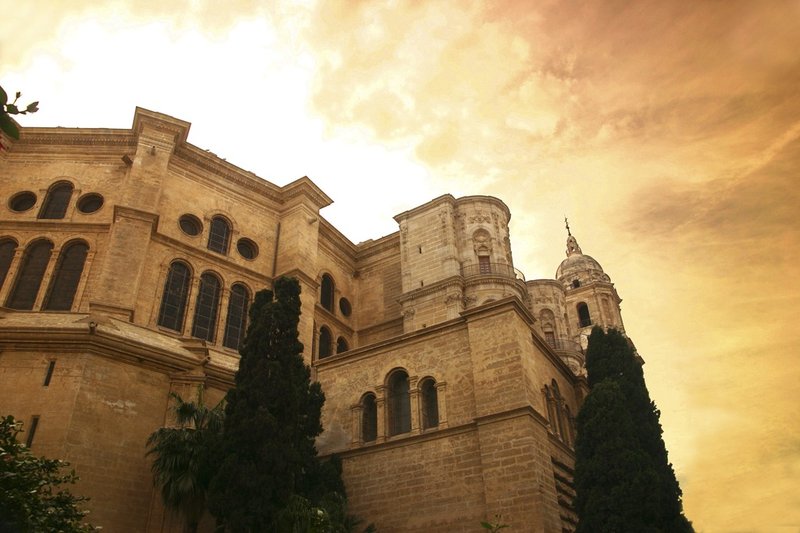 Málaga
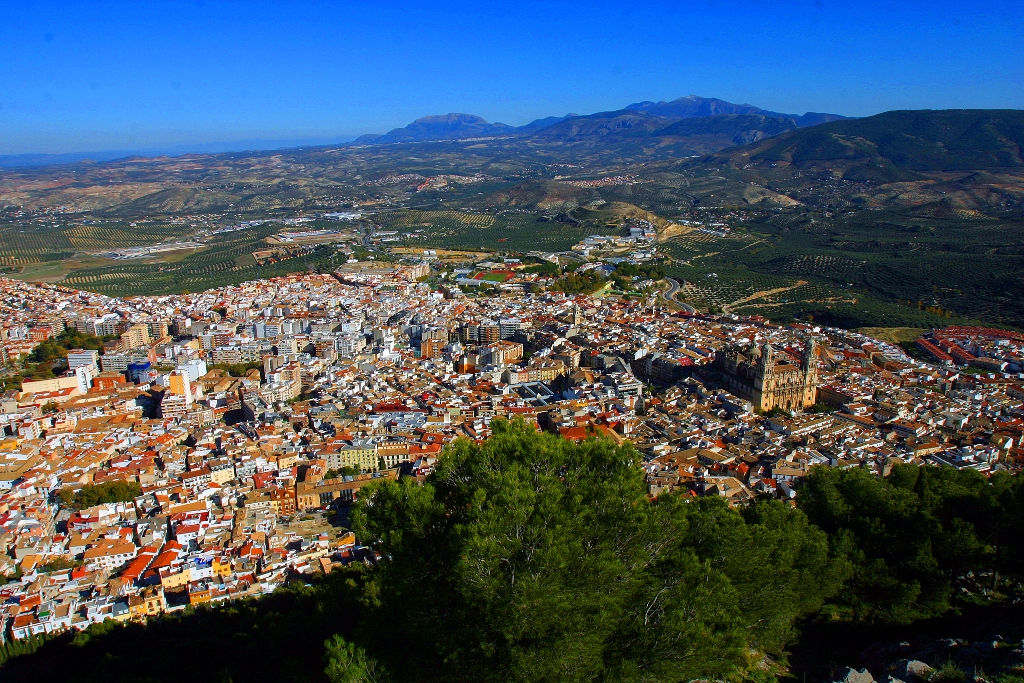 Jaen
Jaen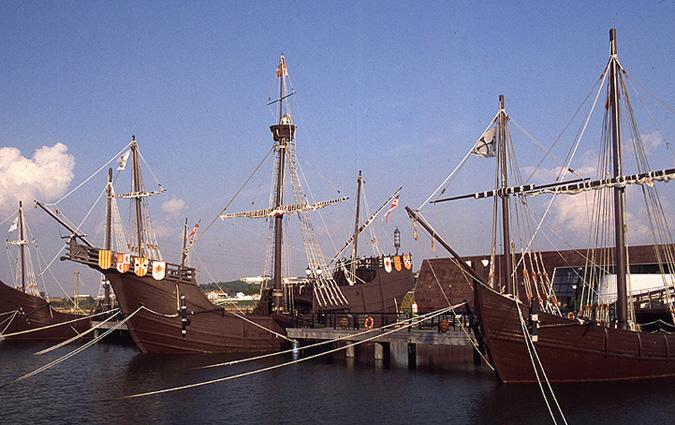 Huelva
 Granada
 Córdoba
 Cadiz
Cadiz Almeria
 A tourist and cultural vision of flamenco
 The Guitar, last to join.
 The history of flamenco with respect to its geographical distribution
 The present and future of the genre. The Fourth Golden Key of Singing.
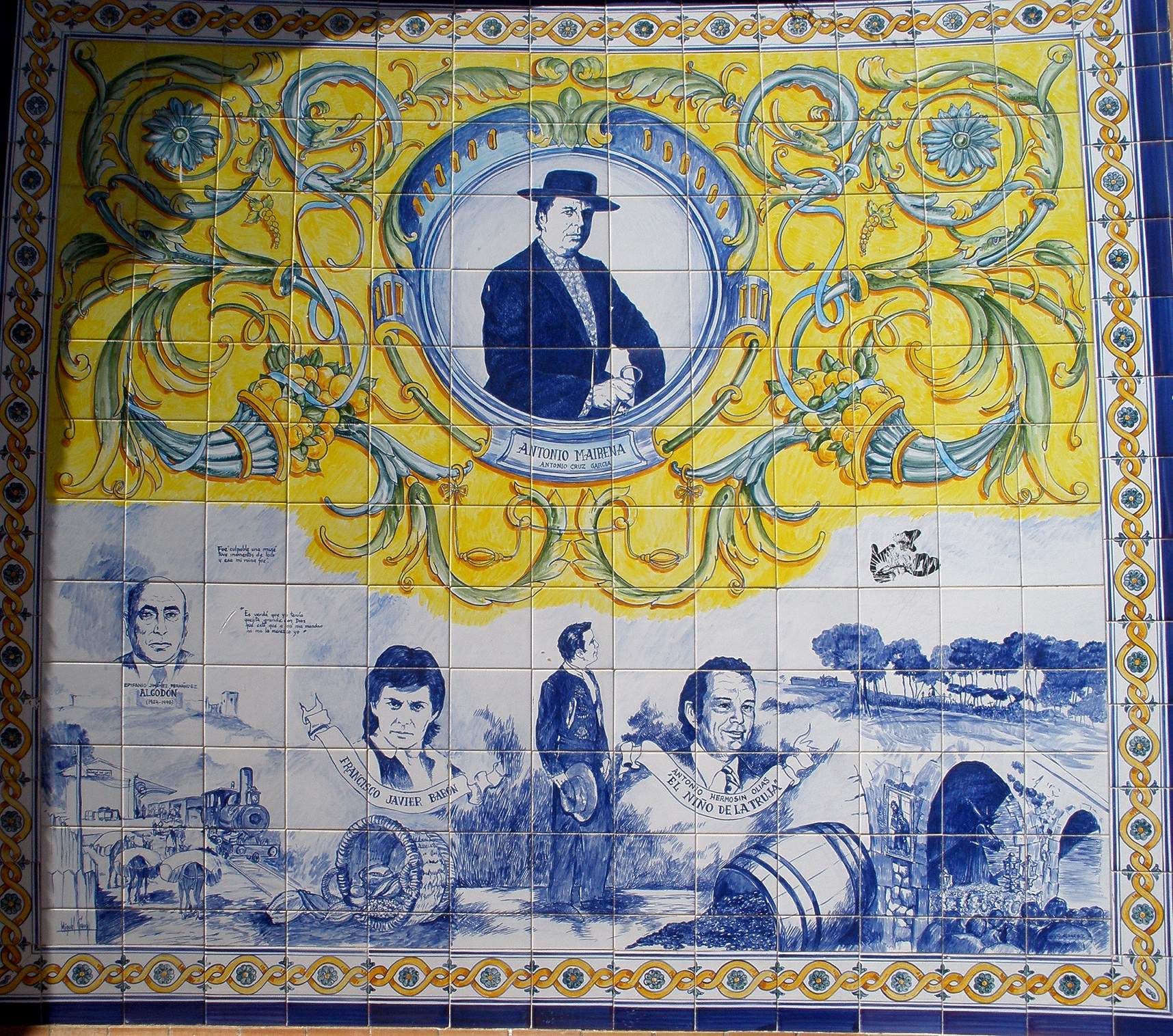 The festivals
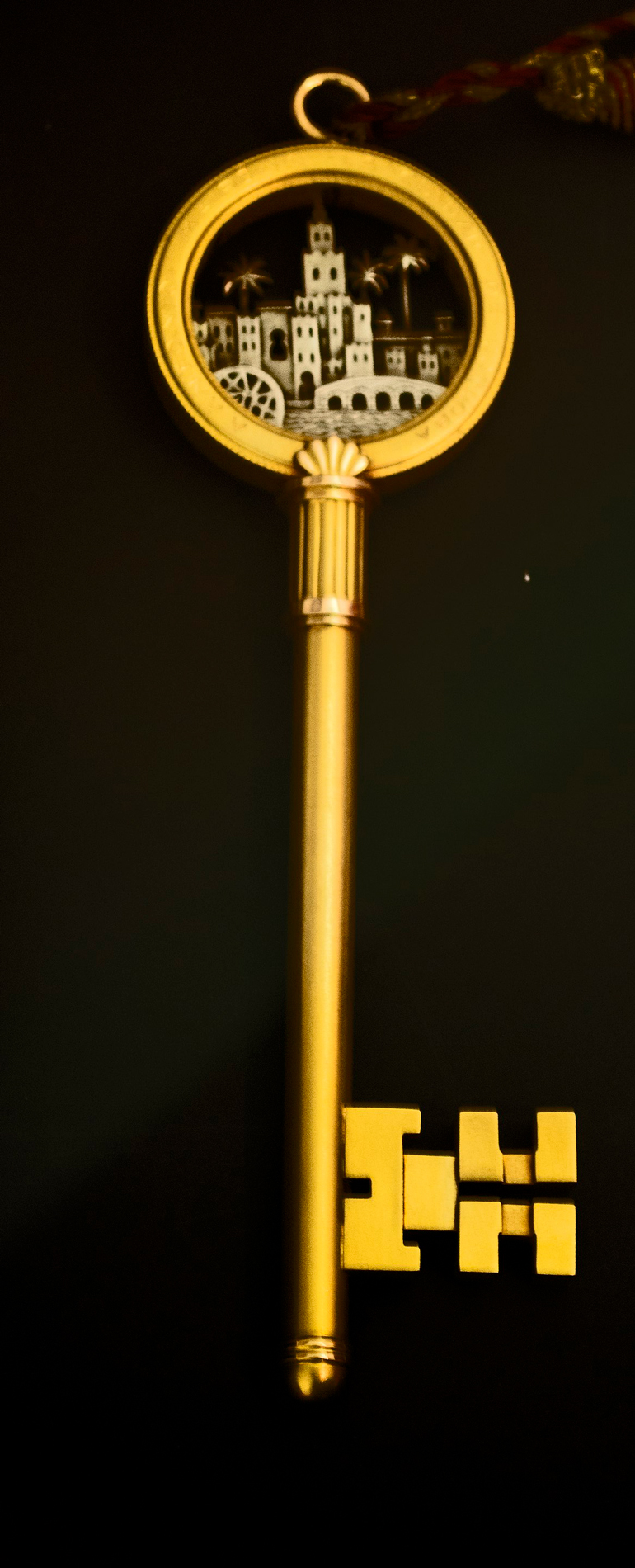 Revaluation of flamenco. Third Golden Key of Singing
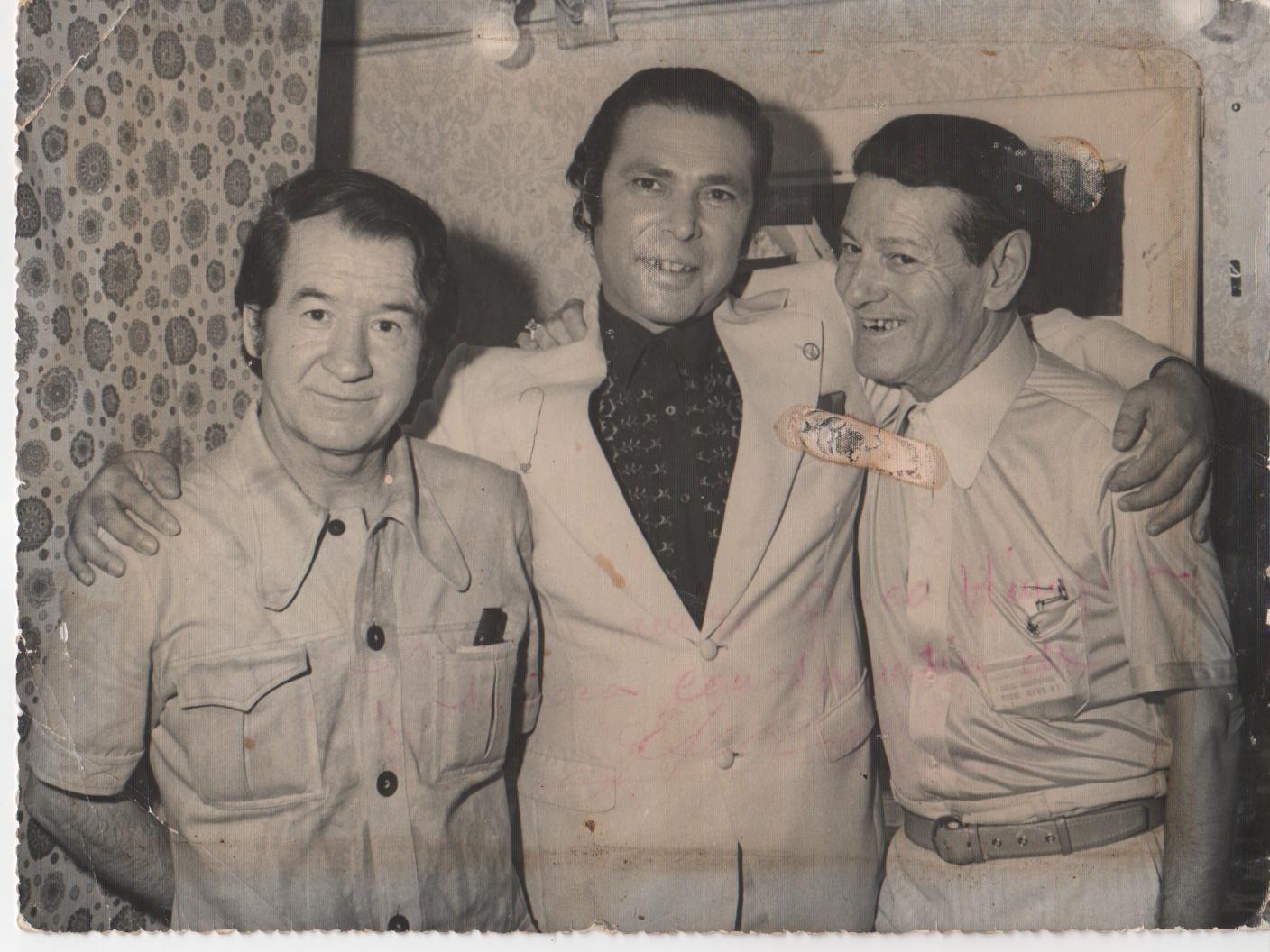 The Flamenco Opera
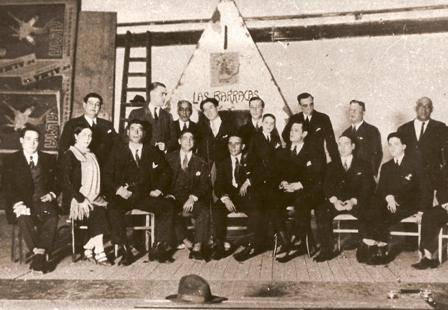 Flamenco in Madrid. The Pavón Cup. Second Golden Key of Singing
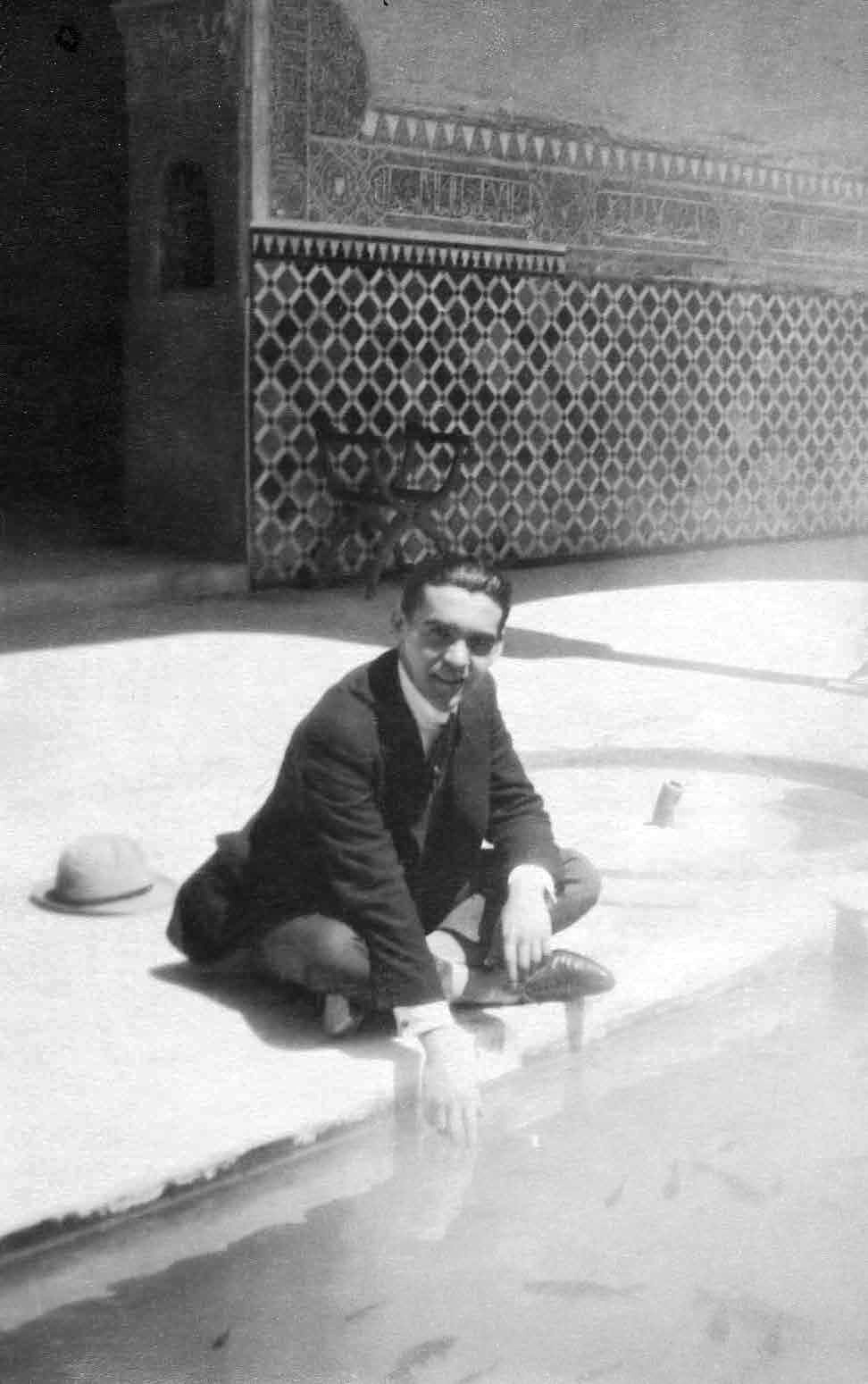 The contest that took place in 1922 in Granada
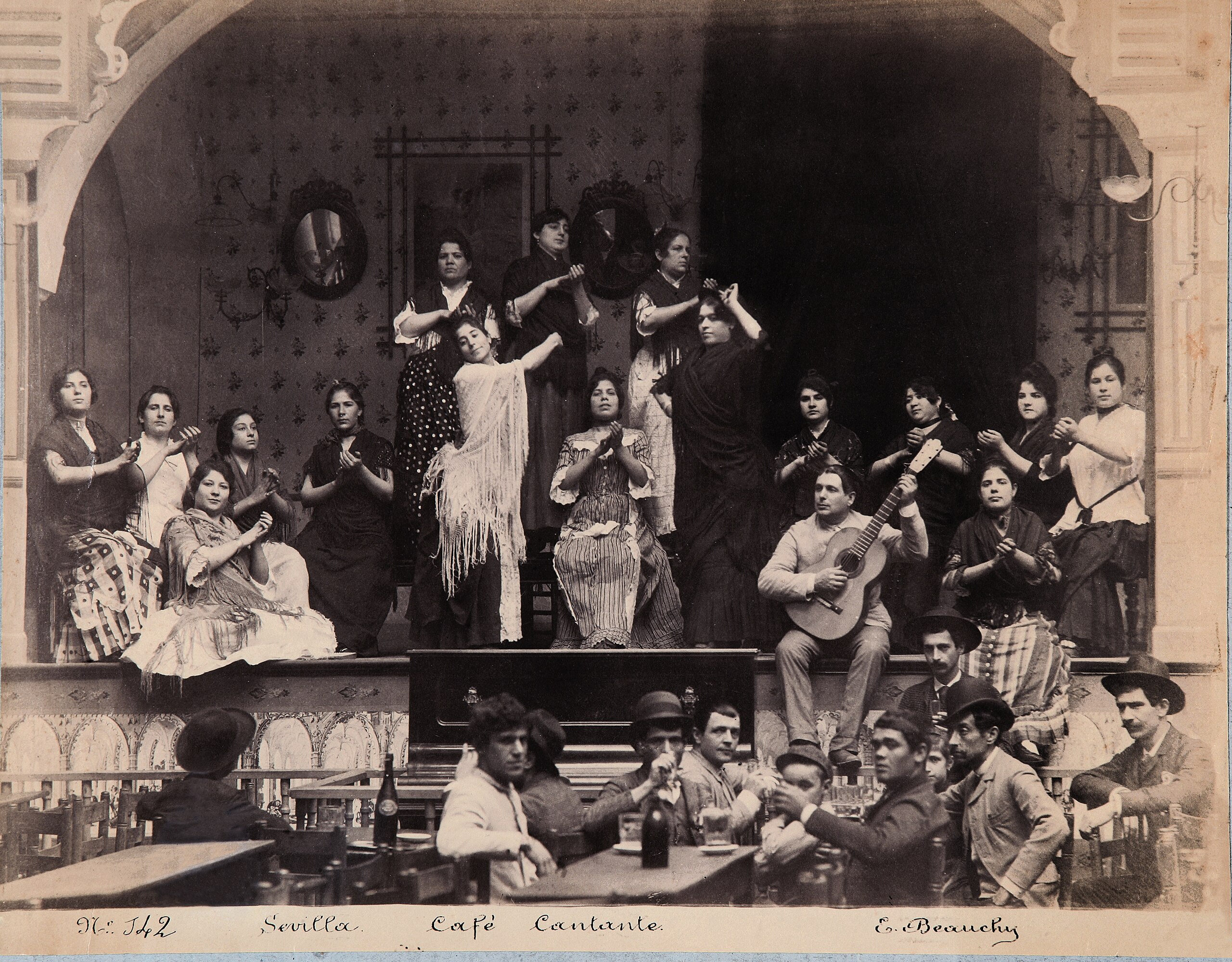 The great creators. The Golden Age. The Singing Cafes
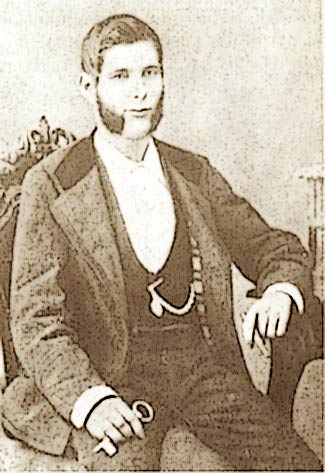 Evolution. Hermetic Stage. First singers
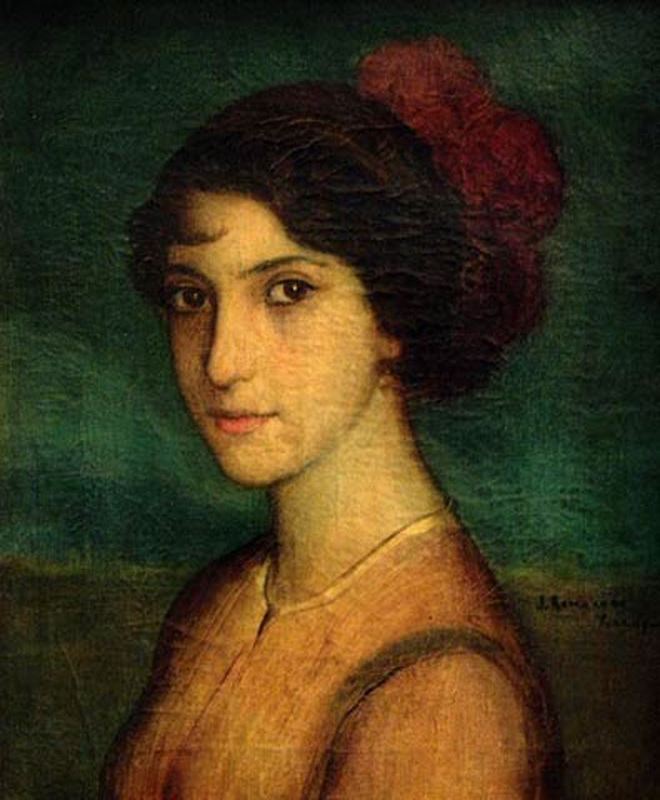 Origin of the word “flamenco”
 First written references
 Musical background