



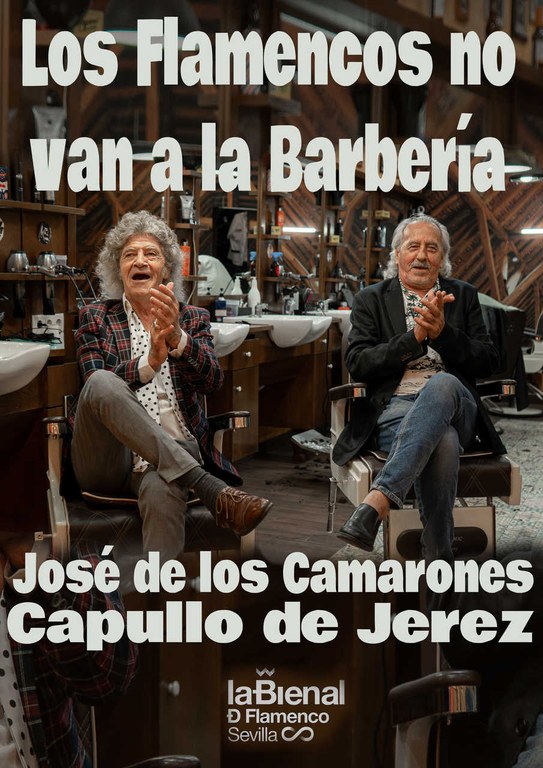
XXIV Flamenco Biennial
Flamingos do not go to the barbershop, it is a declaration of freedom: the mane as a symbol of freedom and singing without cuts. Here you sing bareback, with truth and character.
Two unique figures of Jerez singing, survivors of a golden age, in which the night and fatigue forged the truth of his song: charisma and energy without additives, risk and improvisation, and a vital story that increasingly attracts a younger audience.
On scene, El Capullo de Jerez and José de los Camarones meet and dialogue in crossfire—calls and responses that run through pile drivers, fandangos or soleá—between tension, complicity and pure present.
After the meeting, each artist shows the essences of their art alone.
Jose de los Camarones, unorthodox and uncompromising, moves with an intense and true live performance. Between the popular and the mystical, He fearlessly ventures into new territories with his rock and psychedelia band—electric guitar, keyboards, bass and drums—.
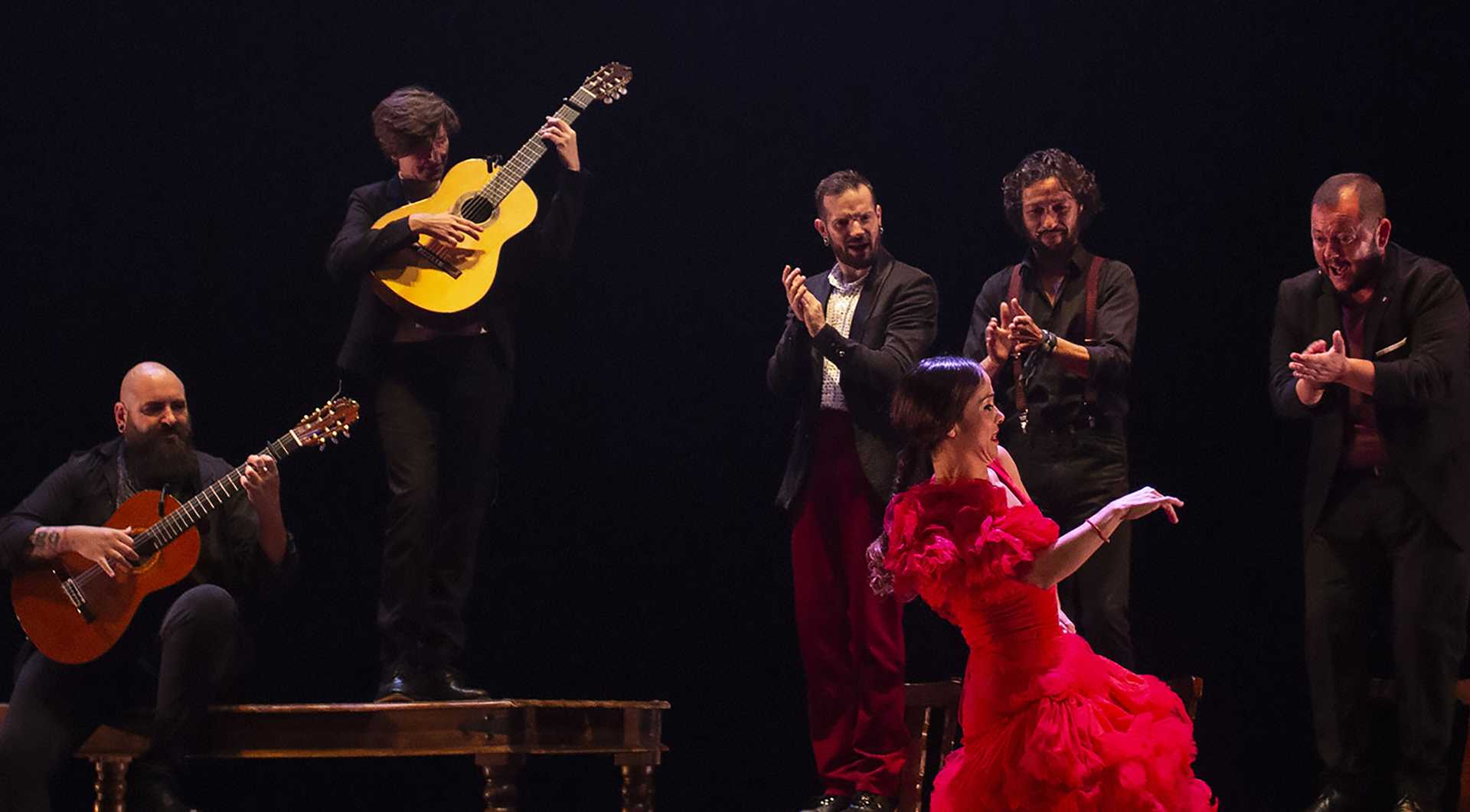
El Capullo de Jerez, with classical voice training, flamenco guitar and percussion, bulerías chain on stage, tangos and rumbas and raises the audience with claps. Improvisation – own verses and unexpected turns, often at the foot of the patio—is its hallmark. The “party territory”, charisma and energy in high tension, It is their natural environment.
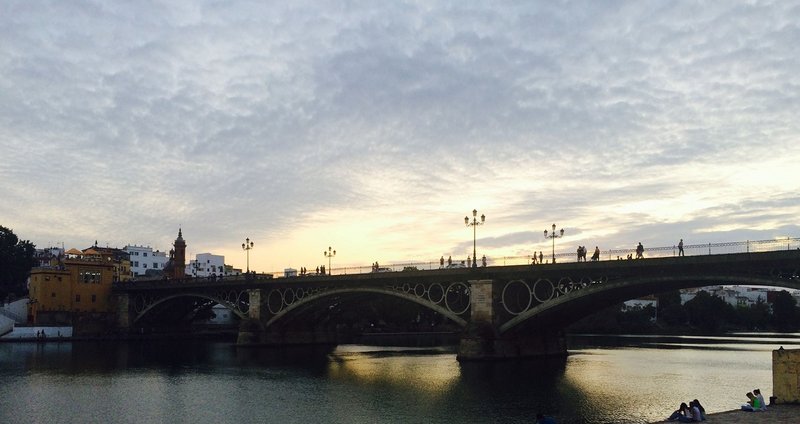 Sevilla
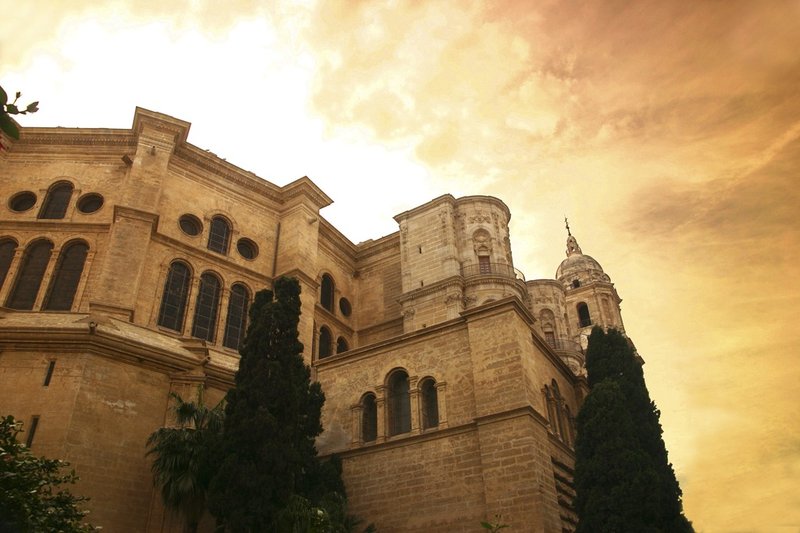 Málaga
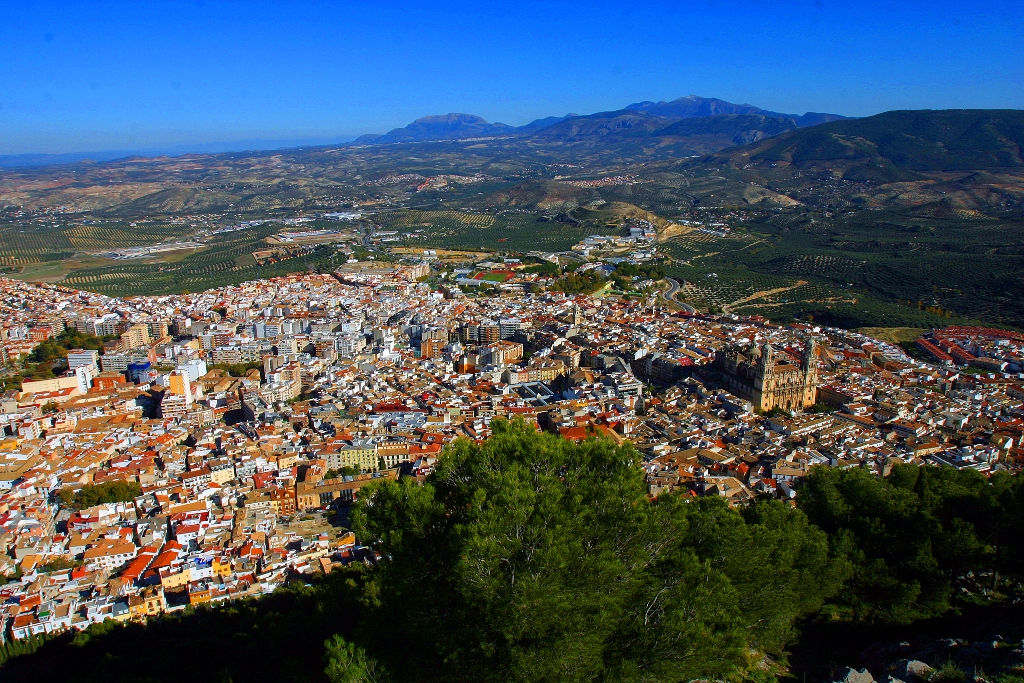 Jaen
Jaen Huelva
 Granada
 Córdoba
 Cadiz
Cadiz Almeria
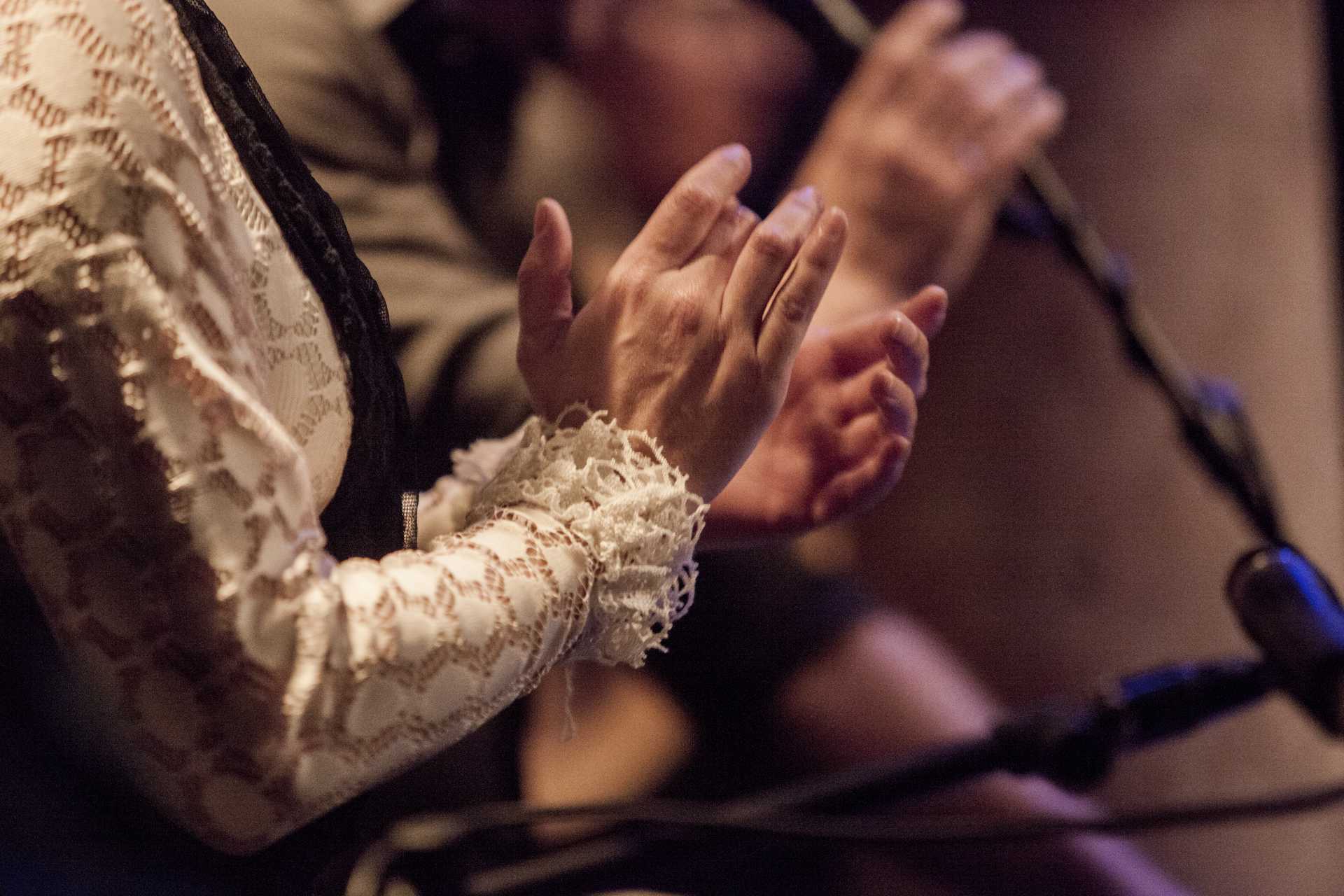 A tourist and cultural vision of flamenco
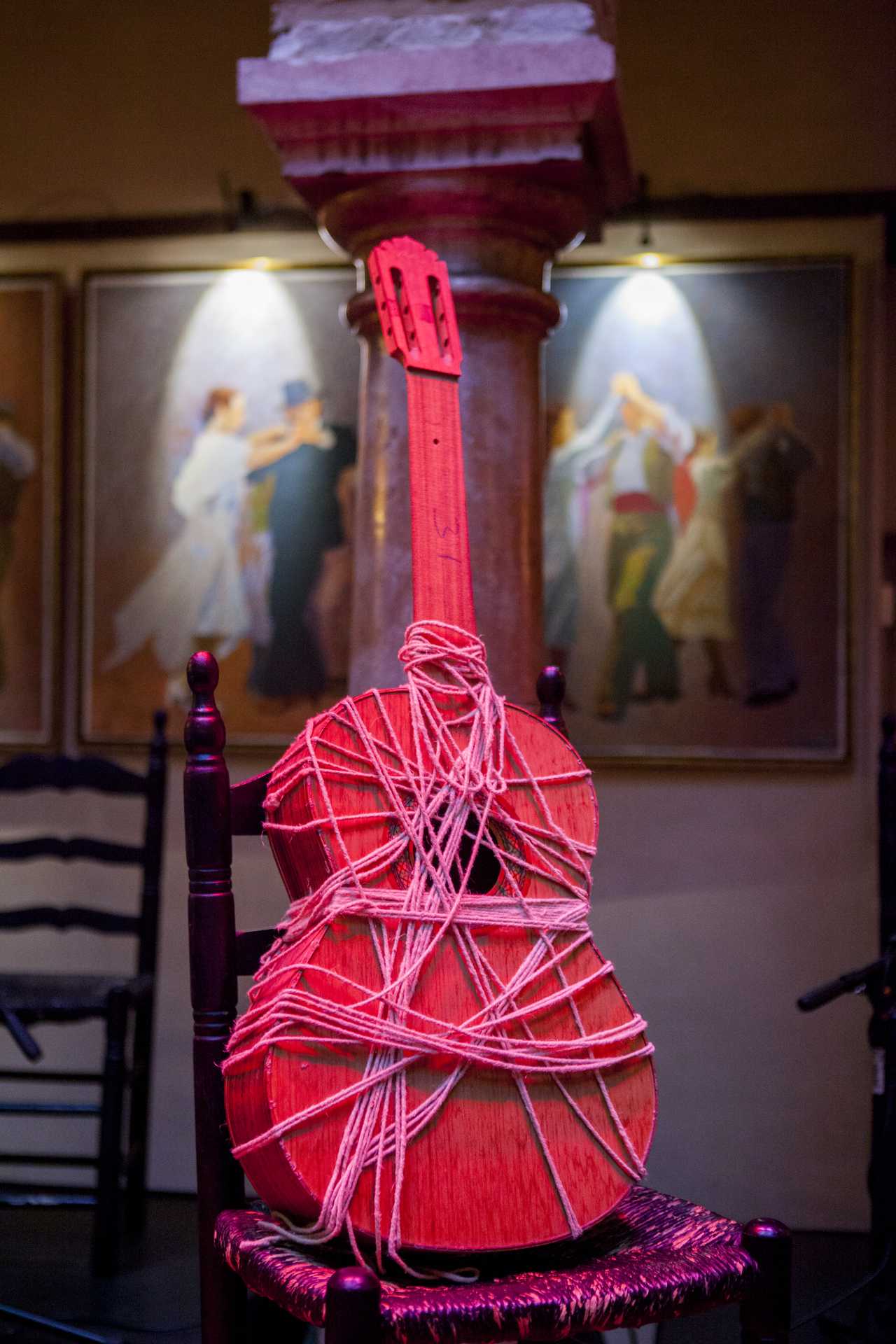 The Guitar, last to join.
 The history of flamenco with respect to its geographical distribution
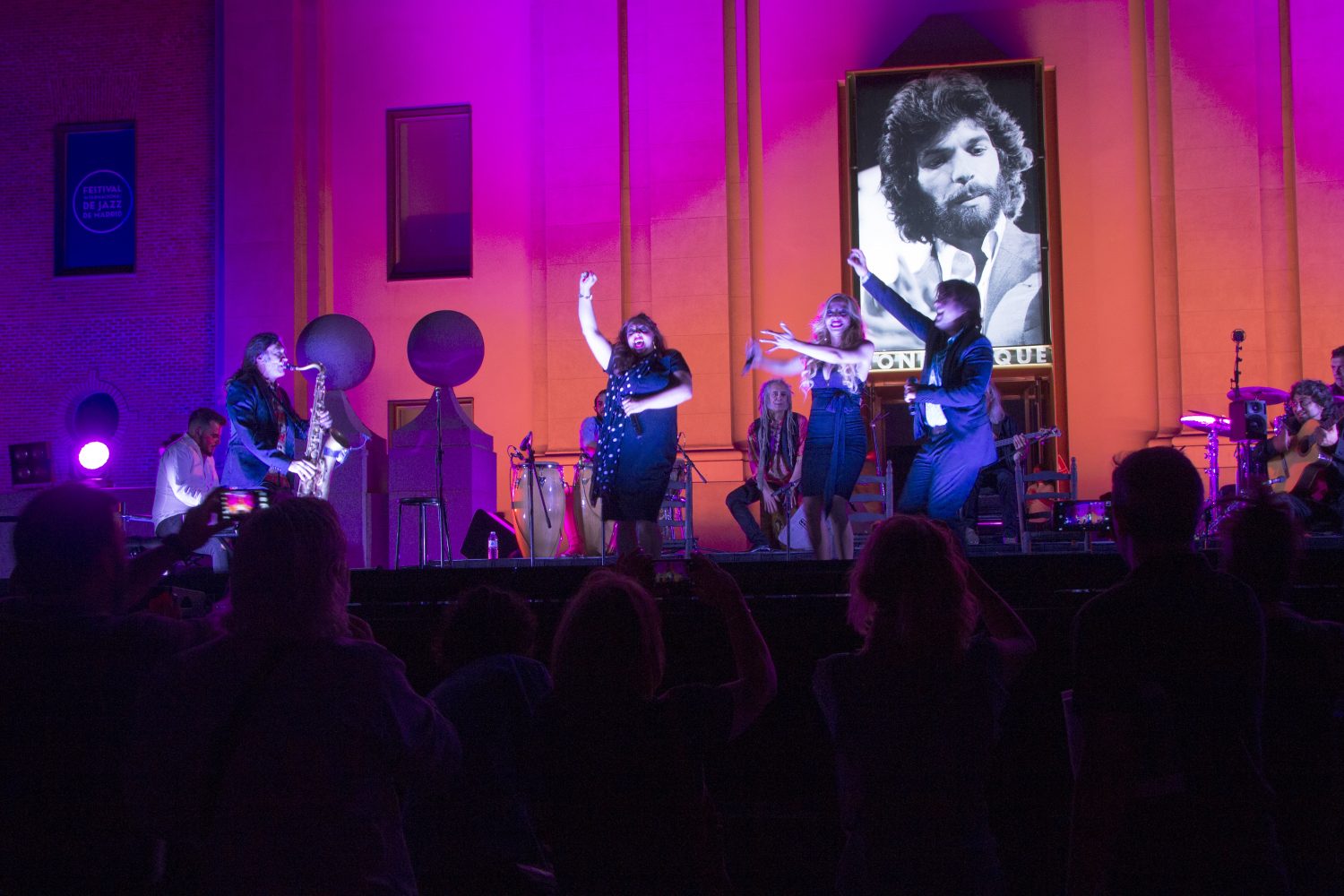 The present and future of the genre. The Fourth Golden Key of Singing.
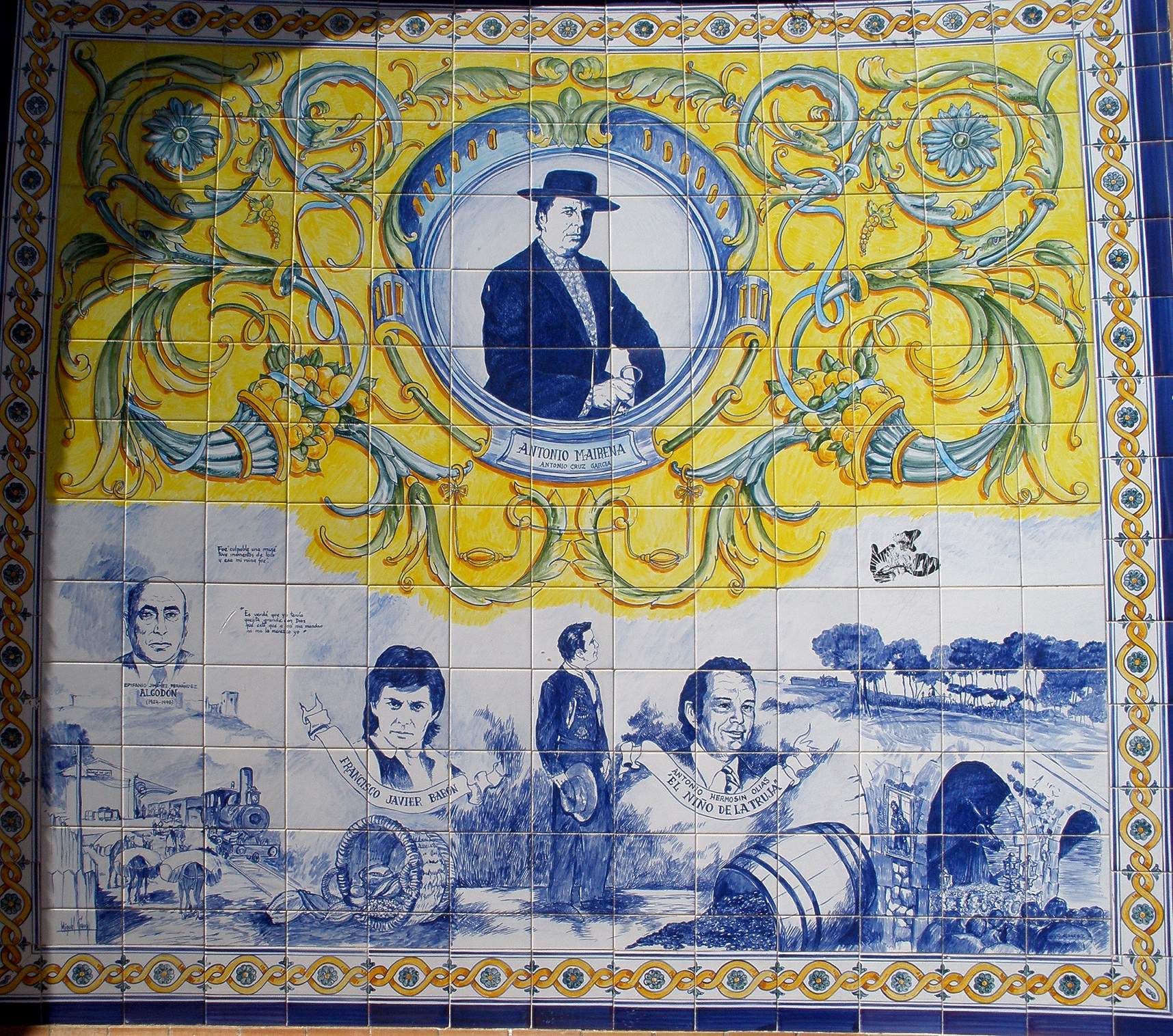 The festivals
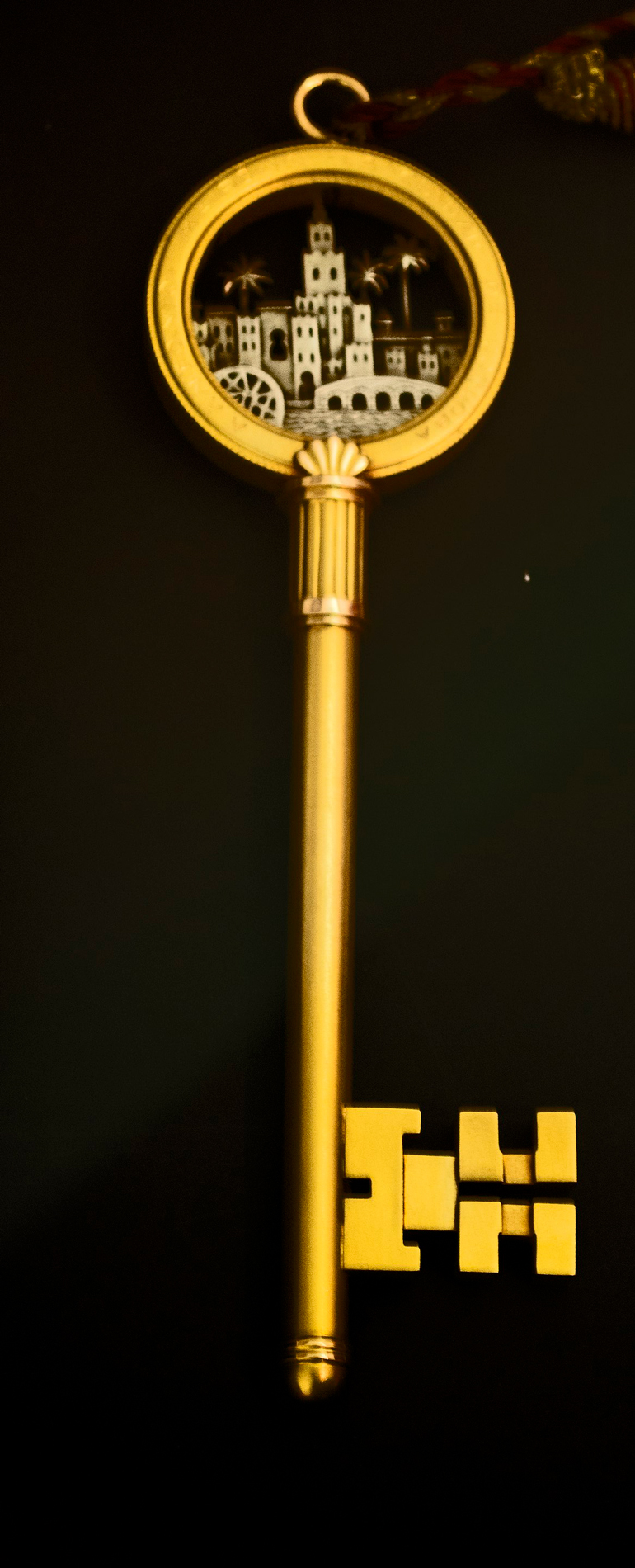 Revaluation of flamenco. Third Golden Key of Singing
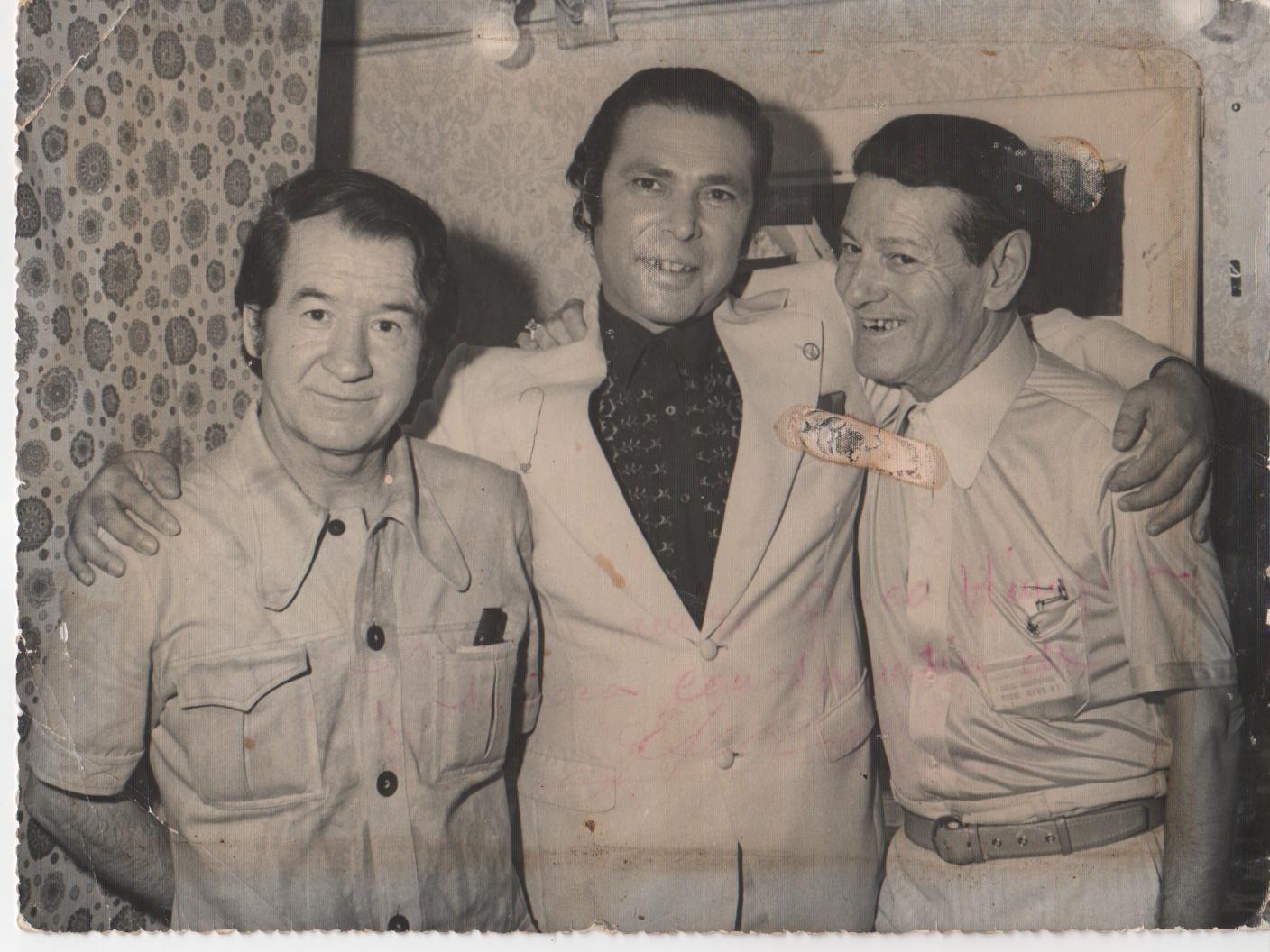 The Flamenco Opera
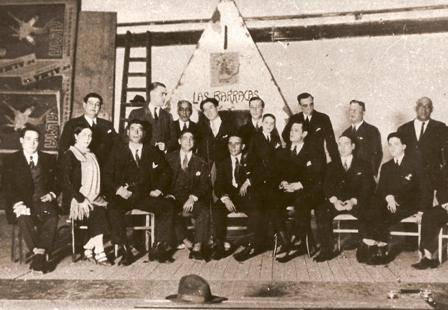 Flamenco in Madrid. The Pavón Cup. Second Golden Key of Singing
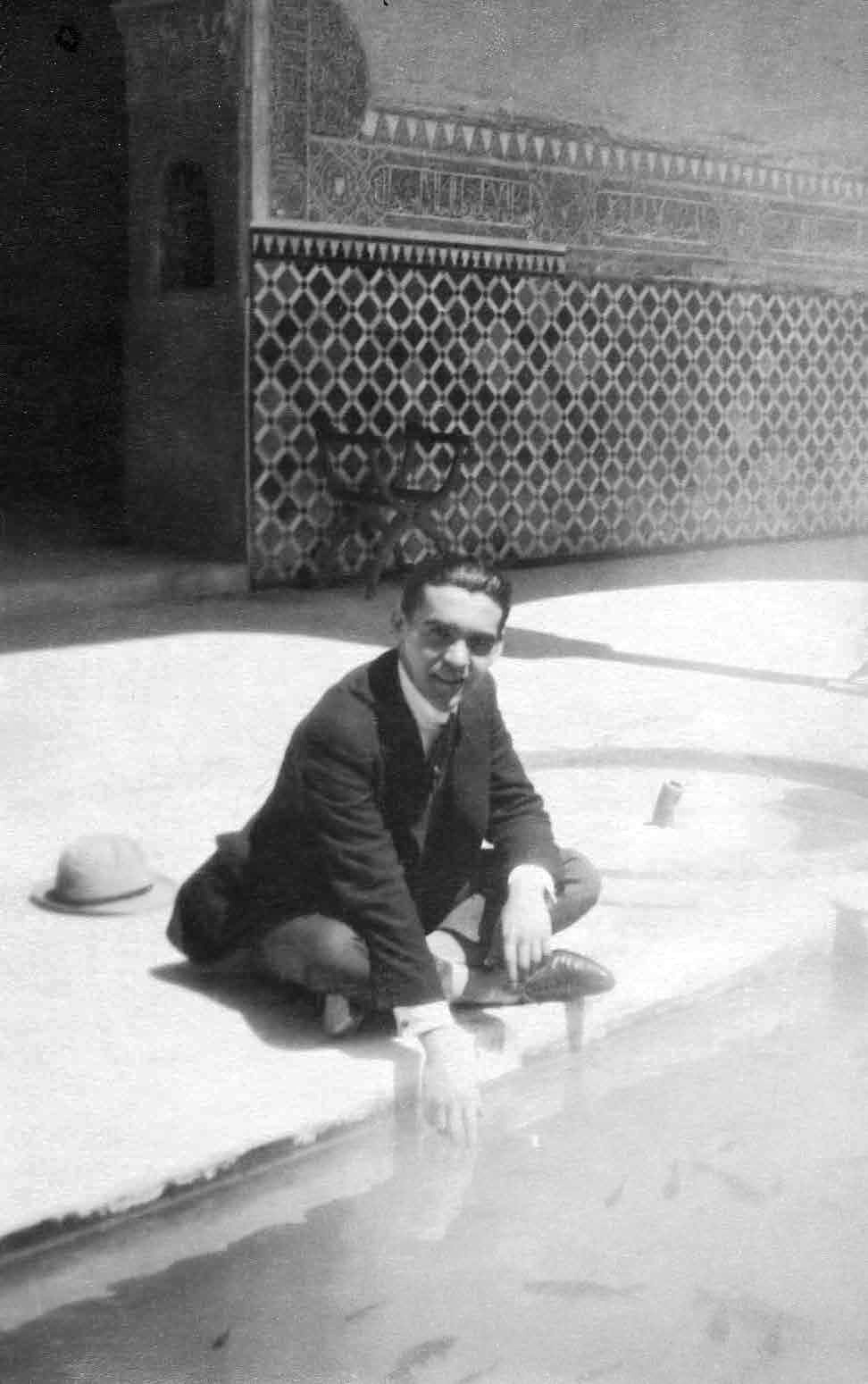 The contest that took place in 1922 in Granada
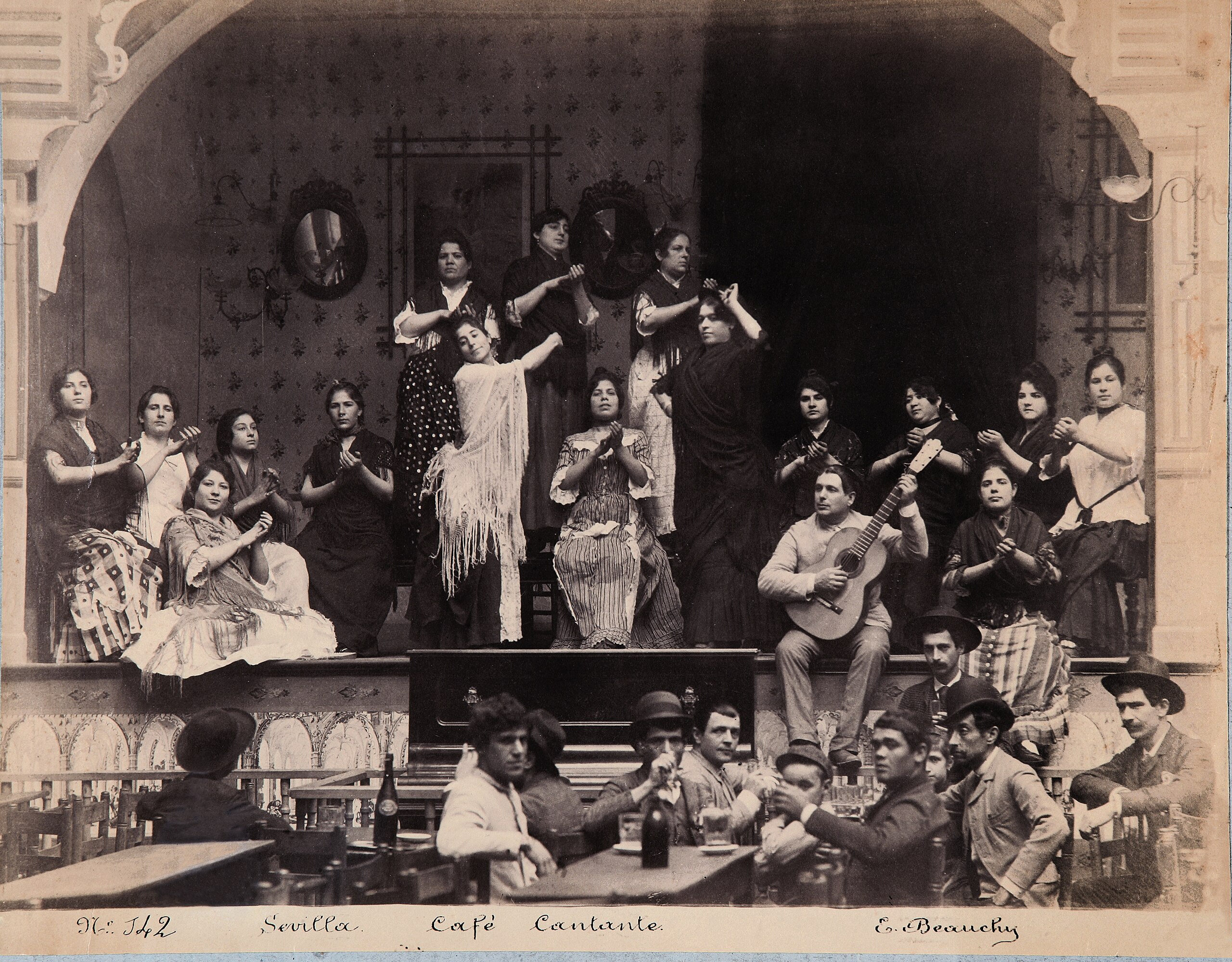 The great creators. The Golden Age. The Singing Cafes
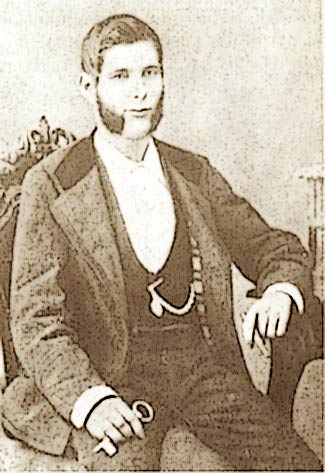 Evolution. Hermetic Stage. First singers
 Origin of the word “flamenco”
 First written references
 Musical background